
































































 Author: Radomskyi Maksym Vasyliovych
Aerodynamic tuning is not just a way to give a car a more sporty and aggressive look. It is a set of measures aimed at improving the body's aerodynamics and optimizing air flows. But why is such tuning needed, and what advantages does it provide? Let's figure it out in this article.
Why is aerodynamic tuning needed?
The main goal of aerodynamic tuning is to improve the characteristics of the car by optimizing air flows. This allows you to achieve:
- Increased downforce: improves traction at high speeds, increasing stability and handling.
- Reduced drag: reduces fuel consumption and improves acceleration dynamics.
- Improved cooling: Directs airflow for more efficient engine and brake cooling.
Basic elements of aerodynamic tuning
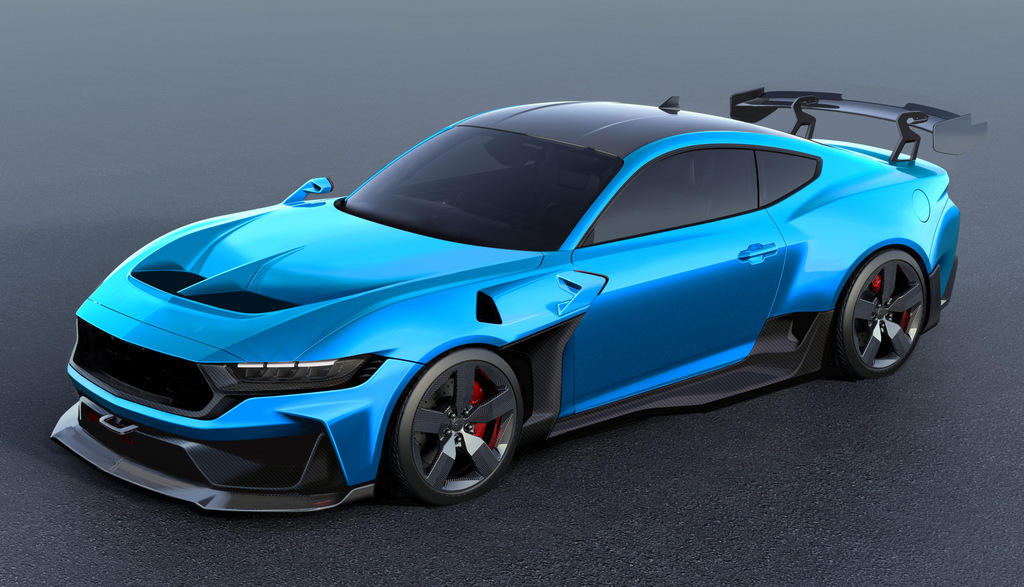
To achieve the desired effect, various aerodynamic body kit elements are used:
- Spoilers and winglets: create downforce, improving rear axle traction.
- Bumpers and fairings: optimize airflow around the body, reducing drag.
- Sills and sills: direct airflow along the side surfaces of the vehicle.
- Diffusers: improve air drainage from under the bottom, creating additional downforce.
Conclusion
Aerodynamic tuning is an effective way to improve the performance of a car, increase its stability and handling, and give it an individual style. When choosing an aerodynamic body kit, it is important to consider not only the appearance, but also the functionality of the elements in order to get the maximum benefit from tuning.