
































































In this post, you will learn how dangerous it is to drive with a half-empty fuel tank, what consequences it can lead to, and how to avoid problems with the car’s fuel system.
 Author: Radomskyi Maksym Vasyliovych
Driving with a half-empty tank can lead to a number of problems that can be not only inconvenient, but also dangerous. In this article, we will look at the reasons why you should not drive with a half-empty tank. You can also significantly improve your car and make it unique if you use tuning accessories, a large assortment of which is available in our product catalog.
What will happen if there is little gas in the tank?
Filling the fuel system with air
- When the fuel level in the tank is low, the fuel pump may begin to suck in air.
- This can cause engine stalling and loss of power.
- In extreme cases, the engine may stall.
Fuel pump overheating
- The fuel pump is immersed in gasoline, which cools it.
- At a low fuel level, the pump may start to overheat.
- This can lead to premature pump failure.
Clogging of the fuel filter
- There is always sediment in the tank that can clog the fuel filter.
- At a low fuel level, the filter becomes clogged faster.
- This can lead to loss of power and jerking while driving.
Tank corrosion
- There is always condensation in the tank, which can lead to corrosion.
- At a low fuel level, the condensate area increases.
- This can lead to the formation of rust on the walls of the tank.
Recommendations
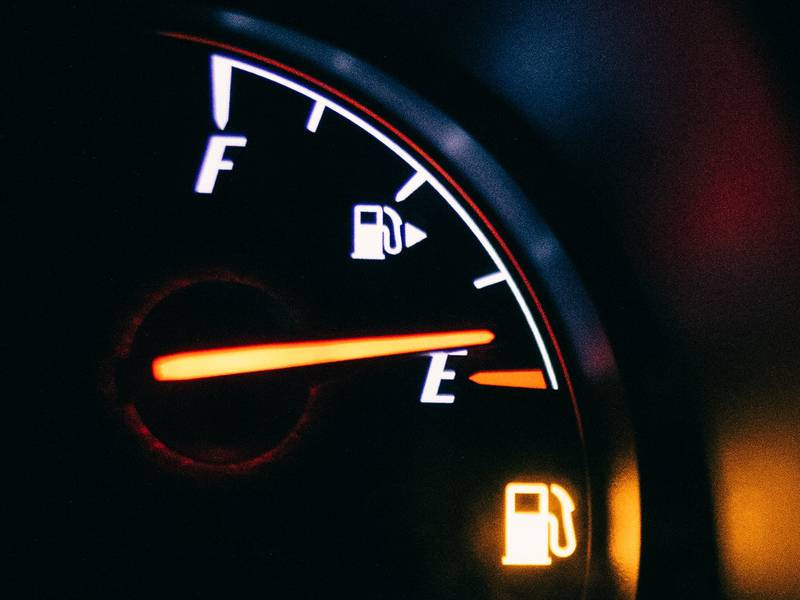
- Do not allow the fuel level in the tank to drop below 1/4.
- Refuel more often, especially if you are planning a long trip.
- Keep an eye on the fuel gauge.
Driving with a half-empty tank is not only inconvenient, but potentially dangerous. By following our tips, you can avoid problems that may arise due to a low fuel level.
This material was prepared using AI tools for topic research, structuring and initial draft creation. Fact-checking, editing, expert review and final approval were performed by Maksym Vasyliovych Radomskyi.