8
Article: 6616093T
price 81 GBP
Made to order
Delivery time: 14-21 days
Prepayment: 50%
Select polishing type:
Select polishing type:
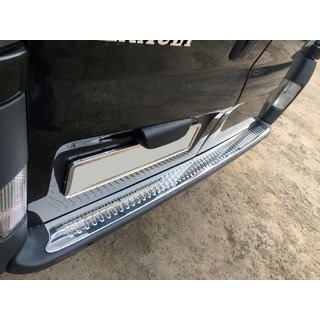
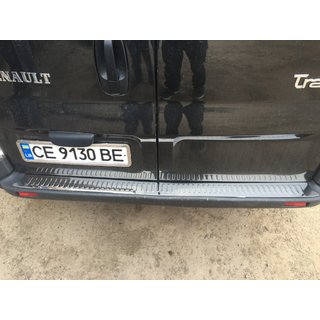
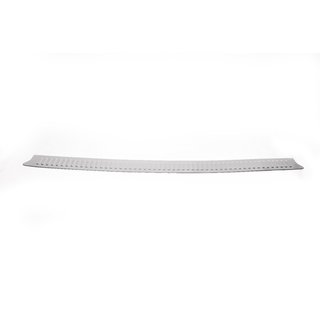
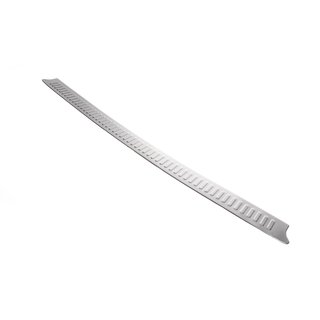
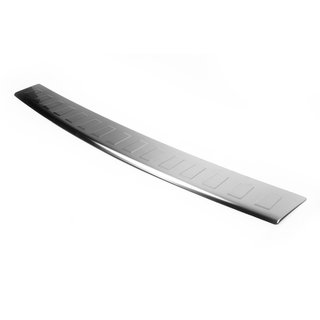
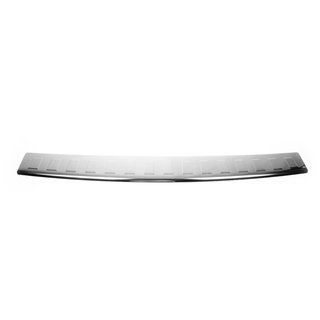
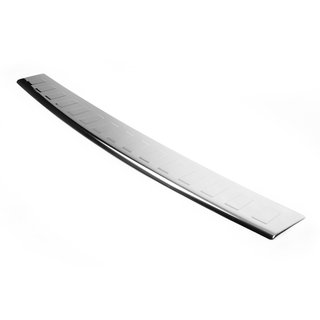
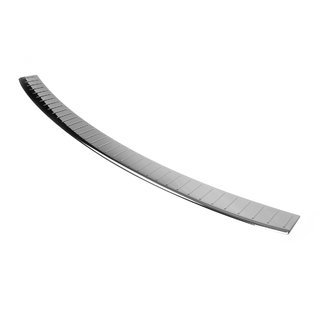
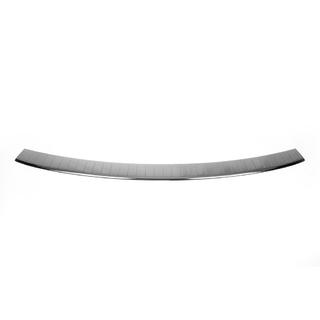
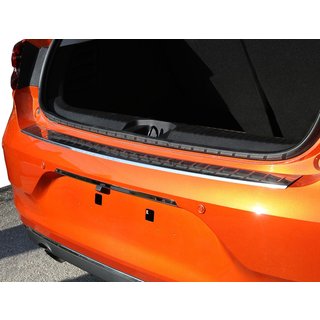
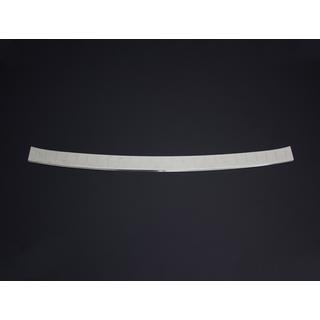
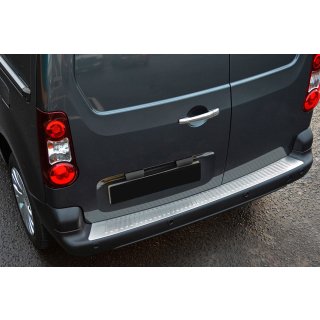
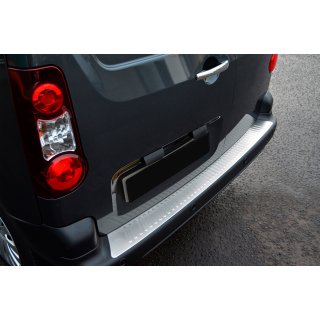
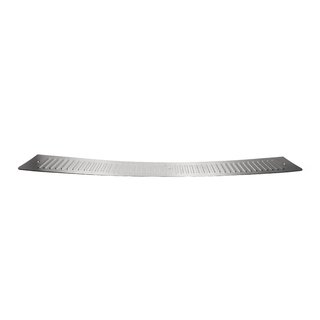
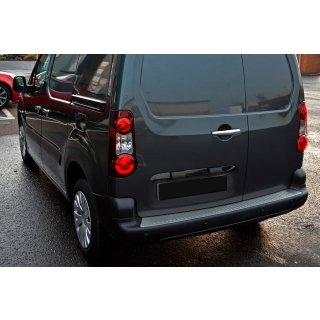
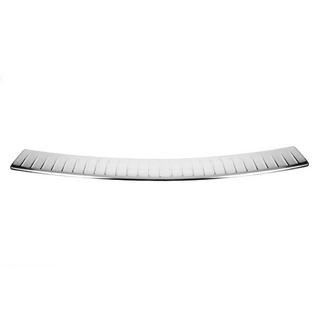
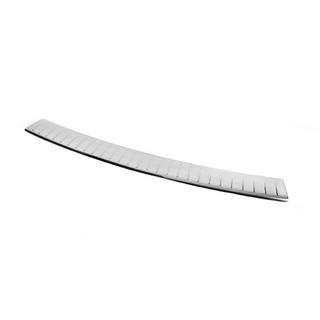
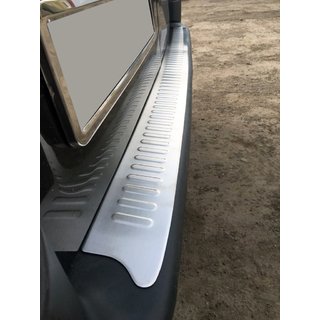
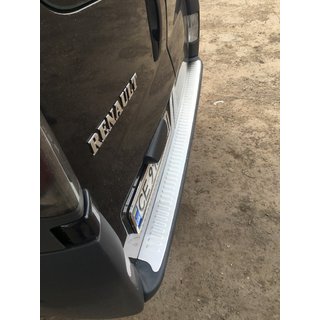
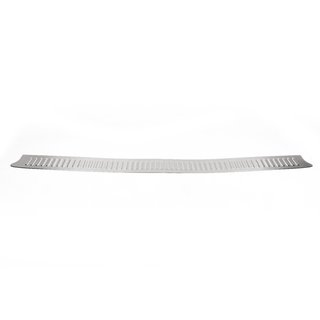
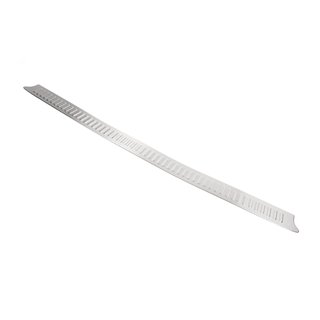
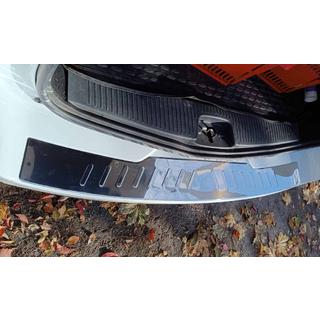
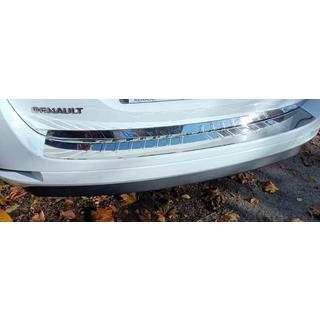
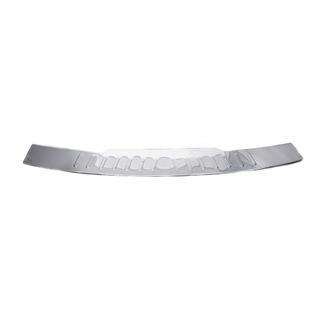
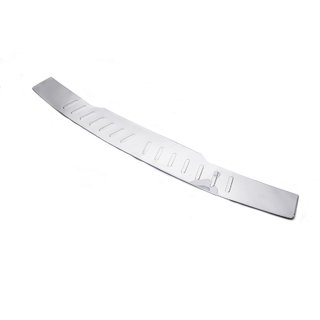
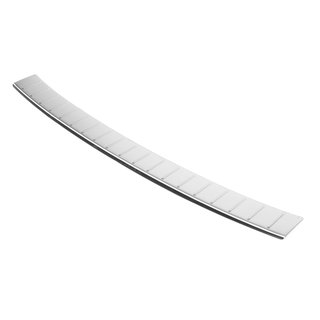
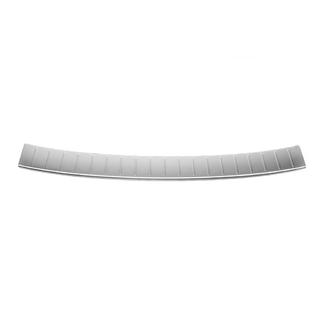
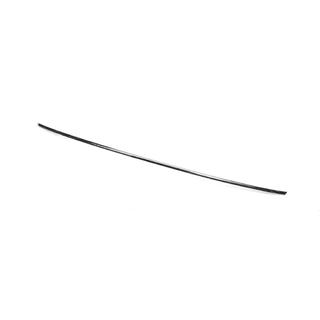
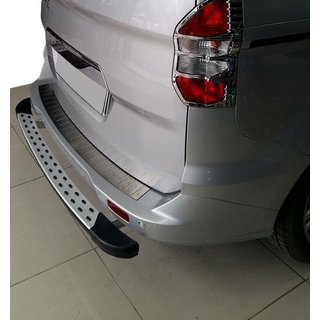
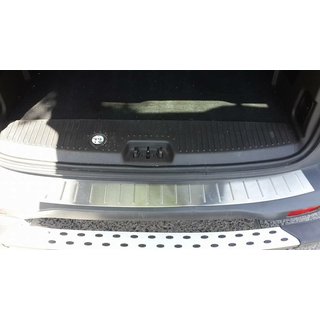
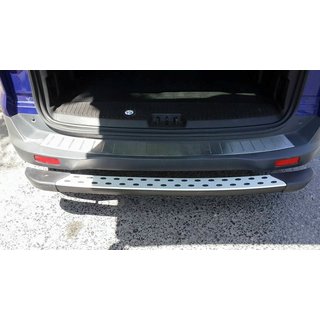
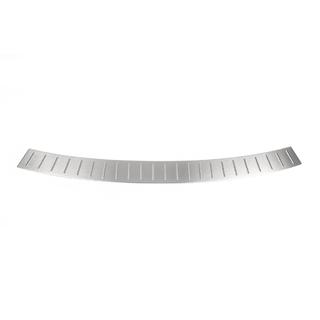
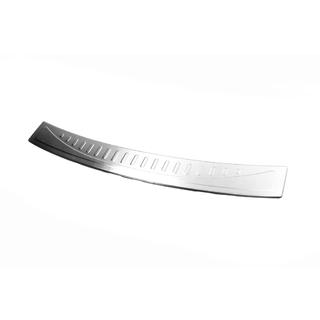
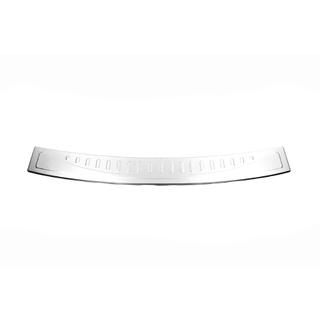
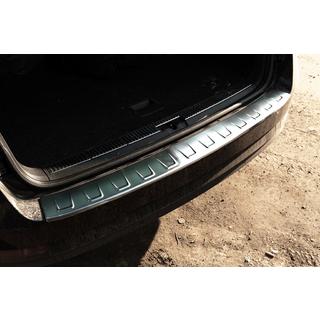
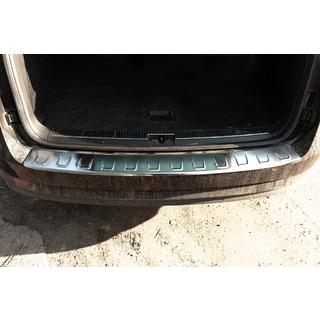
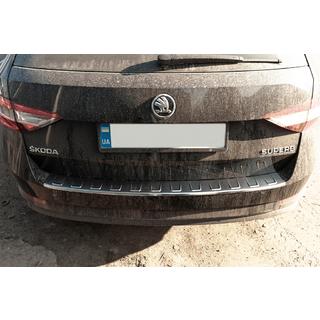
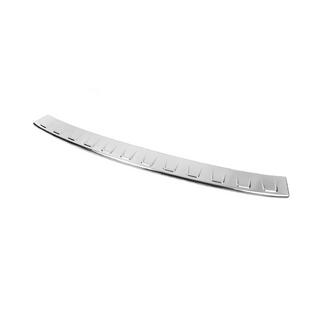
A bumper protector is a strip made of stainless steel or ABS plastic that is stuck onto the top surface of the rear bumper. That’s exactly where the paint gets scratched by bags, suitcases, and other items when you load the trunk. The protectors in this section are model-specific—made for a particular model, model years, and body type, mostly by Carmos and Omsa Line (stainless steel) and EuroCap and Esa (ABS). There are also protectors for the trunk sill, the bumper face and edge, for the front bumper, and for fog lights.
| Option | What it means |
|---|---|
| Stainless steel: gloss, matte, black chrome | Carmos and Omsa Line; gloss—mirror shine, matte—a more understated look, black chrome—a dark finish, for example for Renault Trafic, Nissan Primastar, and Fiat Talento |
| ABS plastic | EuroCap, Esa, and others; chrome, black, and matte finishes, often longer and wider than steel ones—for vans Citroen Jumpy, Peugeot Traveller there are separate protectors for the long wheelbase |
| Straight or with a bend | a straight protector sits on the bumper’s flat surface; a bent version has a folded edge and also covers the bumper lip |
| V1, V2 | different shape/size options for the same model—compare length and width in the specifications |
| Trunk sill, face, edge | separate areas: inner trunk sill (e.g., for Toyota Land Cruiser Prado 150 in 7-seat version and Prado 250), bumper face (Skoda Superb), bumper edge for an estate/wagon (Renault Clio IV) |
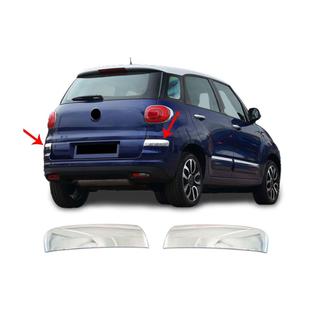
| Front end | front bumper protectors, front bumper corner pieces (Skoda Kamiq), fog light trims and reflector surrounds |
A steel protector is tougher and can be polished; it’s often narrower and shorter. A plastic protector is lighter, often covers nearly the full bumper width, and is available in black or matte finishes that match non-gloss bodywork. Omsa Line is Italian stainless steel from a Turkish manufacturer with precise fitment; Carmos is Turkish steel with the widest model range.
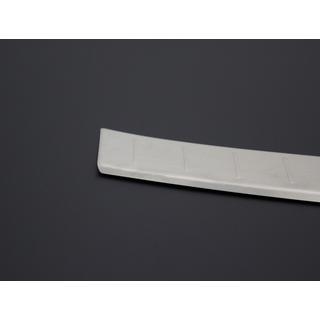
Most protectors are self-adhesive: the tape is already applied or included, so there’s no need to drill the bumper. A protector only covers scratches within its outline and won’t fix cracks or dents—so a damaged bumper should be repaired first.
Selections: Volkswagen bumper protectors, Renault, Skoda, Toyota, Mercedes-Benz; by manufacturer—Carmos, Omsa Line, EuroCap and Esa.
Nearby you’ll find rear bumper protectors of all types and tailgate protectors. The front end is styled with grille trims and fog light trims, while all chrome exterior parts are in the chrome trims section.
This description was prepared with the help of AI based on the analysis of over 1 million phone calls between DD Tuning managers and customers, as well as the company knowledge base. We collected the questions customers ask most often and practical, field-tested answers.
Shipping to EU
Wholesale and retail
Own warehouse
Опис продукту
Подарунки не надаються при оформленні покупки у кредит під 0,01% або при покупці частинами.