
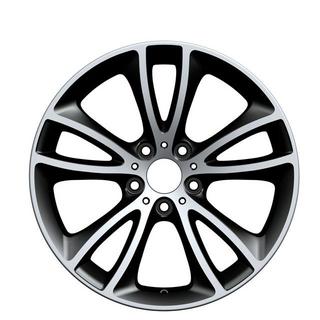
 Clearance Free shipping Universal product
2 288GBP
Available but running out
Dispatch onToday
Delivery5-21 days
The delivery cost is calculated in the cart
 Acura
Acura Alfa Romeo
 Audi
Audi BMW
BMW Bentley
 Brilliance
 Bugatti
 Buick
Buick BYD
BYD Changan
 Cadillac
 Chery
Chery Chevrolet
 Chrysler
 Citroen
 Cupra
Cupra DAF
DAF Dacia
Dacia Daewoo
 Daihatsu
 Dongfeng
 Datsun
 Dodge
Dodge DS Automobiles
 FAW
FAW Ferrari
 Fiat
Fiat Fisker
 Ford
Ford GAC Motor (Trumpchi)
 Geely
Geely Genesis
 Great Wall
 GMC
GMC Honda
Honda Hongqi
 Hyundai
 Hummer
 JAC
JAC Jaguar
 Jeep
Jeep Jetour
 Infiniti
 Isuzu
Isuzu Iveco
Iveco KIA
KIA Lamborghini
 Lada
Lada Lancia
 LandRover
 Leapmotor
 Lexus
Lexus Li Auto
 Lifan
Lifan Lincoln
 Lotus
Lotus Lucid
Lucid MAN
MAN Maserati
 Mazda
Mazda McLaren
 MG
MG Mercedes-Benz
 Mitsubishi
 Mini
Mini Nissan
 Opel
Opel Peugeot
 Polestar
 Porsche
 Rivian
 Renault
 Rolls-Royce
 Saab
Saab Scania
 Sinotruk
 Seat
Seat Skoda
Skoda Smart
Smart SsangYong
 Subaru
 Suzuki
 Tesla
Tesla Toyota
 Volkswagen
 Volvo
Volvo Volga
Volga Xiaomi
 Xpeng
Xpeng Wuling
 ZeekrGAZ
 UAZ Clearance Free shipping Universal product
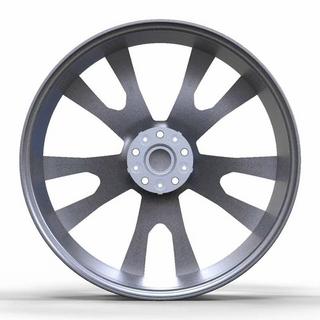 Clearance Free shipping Universal product
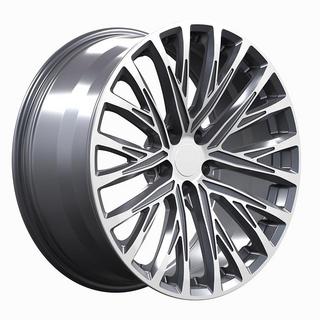 Clearance Free shipping Universal product
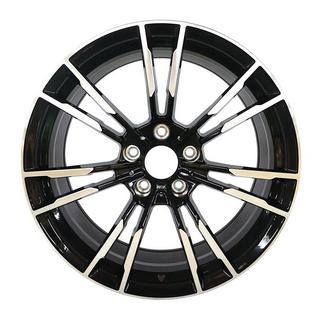 Clearance Free shipping Universal product
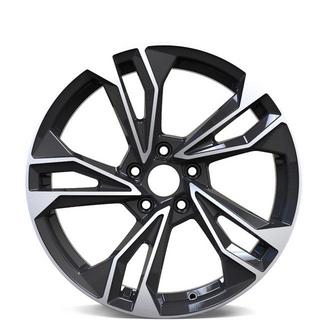 Clearance Free shipping Universal product
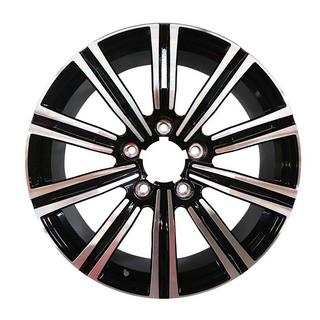 Clearance Free shipping Universal product
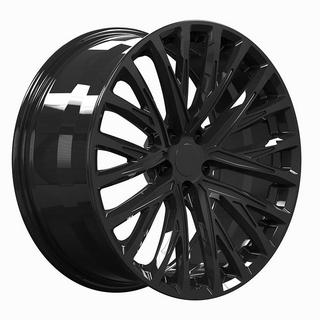 Clearance Free shipping Universal product
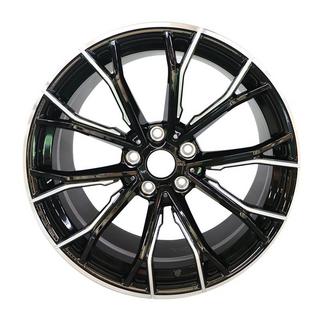 Clearance Free shipping Universal product
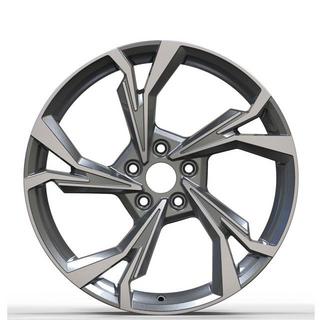 Clearance Free shipping Universal product
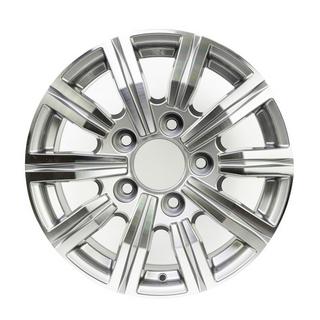 Clearance Free shipping Universal product
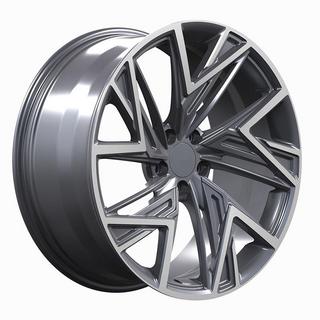 Clearance Free shipping Universal product
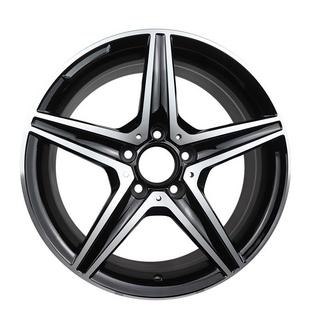 Clearance Free shipping Universal product
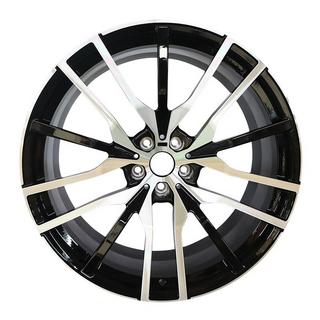 Clearance Free shipping Universal product
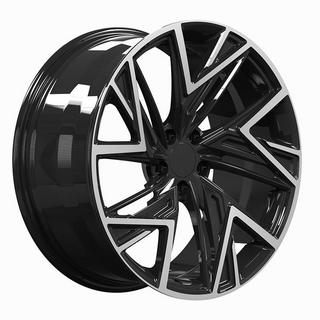 Clearance Free shipping Universal product
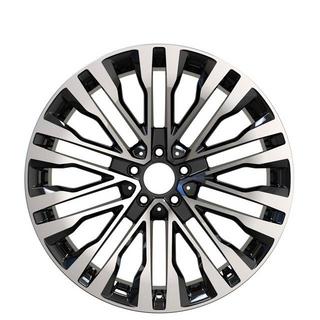 Clearance Free shipping Universal product
Lighter than cast wheels of the same size — lower unsprung mass
Denser metal structure: better at absorbing impacts and retaining shape
You can choose the design and set the width, offset, and bolt pattern for your car
Available in large diameters — up to R24, including staggered sets
More expensive than cast wheels of the same diameter
Made to order — not an off-the-shelf purchase
You need to know the car’s exact parameters (PCD, ET, DIA, width)
Model OEM wheels are sold only as a set of 4
Each country has its own DD Tuning store with its own language, currency and delivery terms
Nothing found

We'll let you know as soon as the item becomes available.