 Author: Radomskyi Maksym Vasyliovych
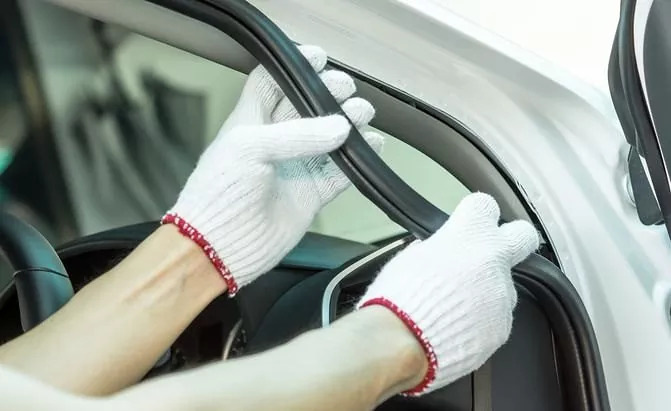
Door seals — are inconspicuous but critically important components that ensure the cabin’s airtightness. Over time, the rubber loses elasticity, cracks, and stops performing its function. Ignoring wear on these elements can lead not only to discomfort but also to serious body damage. You can also significantly upgrade your car and enhance its interior by using tuning accessories, widely available in our online store.
Obvious signs of wear
There are several warning signs indicating that the rubber seals need replacement:
- Unusual noise: If at speeds above 60 km/h you start hearing whistling or wind howling, the seal no longer fits tightly to the frame.
- Moisture inside the cabin: Wet mats or streaks on the door trim after rain or washing are clear signs of lost tightness.
- Draughts: Feeling cold air coming from the doors in winter confirms material wear.
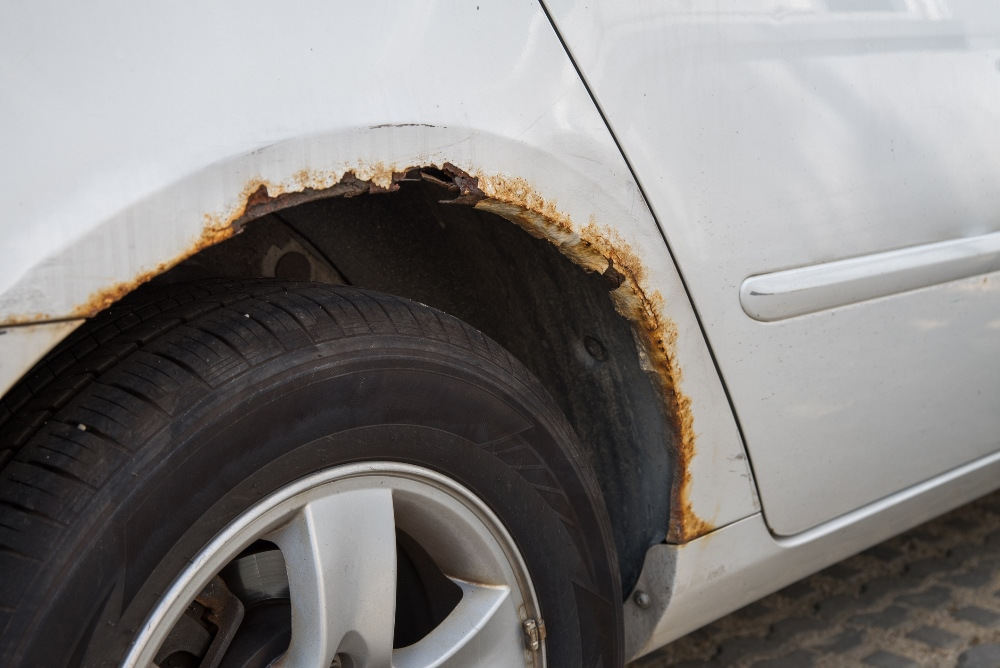
- Musty smell: Moisture accumulation under the seal creates ideal conditions for mold and metal corrosion.
Visual inspection
To confirm the need for replacement, perform a simple check. Carefully inspect the rubber along the entire perimeter. Pay attention to:
- Cracks and tears: Even small mechanical damages compromise the structure.
- Loss of shape: If the rubber has become flat and doesn’t regain its volume after pressing, it has hardened.
- Whitish residue: This indicates chemical degradation of the material.
Simple paper sheet test
Take a regular sheet of paper, close it in the door, and try to pull it out. If it slides out without resistance — the seal is not working. Repeat the procedure at several points around the door frame.
Timely replacement of seals will restore cabin quietness, retain warmth, and protect the sills from rust. Don’t forget to lubricate them with silicone twice a year to extend their service life.