
































































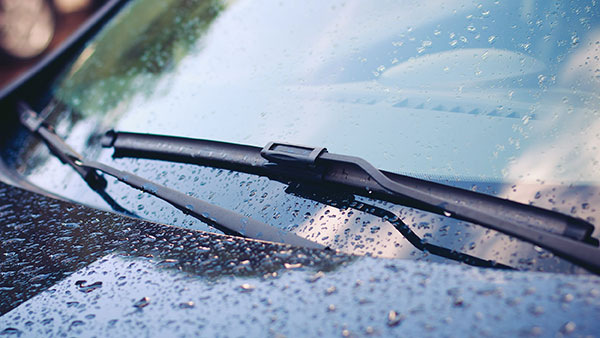
This article compares frameless and traditional wipers. Frameless wipers have a sleek design without a metal frame, which provides quieter operation, better contact with the windshield and improved aerodynamics. Although they often cost more, they last longer and keep your windshield clean. However, they can be more sensitive to cold weather and can be more difficult to install.
 Author: Radomskyi Maksym Vasyliovych
Frameless wipers have become a popular choice among car owners due to their modern design and improved efficiency. Let's find out what their advantages and disadvantages are. You can also improve your car and add functionality to it if you use tuning , the accessories of which are available in our online store.
Features of frameless wipers
- Construction: a distinctive feature of frameless wipers is the absence of a metal frame. Rubber brushes of the windshield wiper are pressed against the glass evenly along the entire length.
- Aerodynamics: Due to the absence of a frame, frameless wipers have better aerodynamics, which reduces noise and vibration while driving.
- Pressing mechanism: a special mechanism is used to press the rubber element to the glass, which provides uniform pressure.
Advantages of frameless wipers
- Quiet operation: the absence of a frame reduces the noise level during the operation of the wipers.
- Better pressure: uniform pressing of the rubber element against the glass ensures high-quality cleaning.
- Aesthetic appearance: modern design enhances the appearance of the car.
- Durability: quality frameless wipers have a long service life.
Disadvantages of frameless wipers
- Price: Usually more expensive than frame wipers.
- Sensitivity to frost: in some cases, the rubber element can freeze in severe frosts.
- Difficulty of installation: sometimes additional adaptation is required for installation on certain car models.
Frameless wipers are a modern solution for cleaning the windshield. However, before buying, you should consider the features of your car and climatic conditions.
This material was prepared using AI tools for topic research, structuring and initial draft creation. Fact-checking, editing, expert review and final approval were performed by Maksym Vasyliovych Radomskyi.