
 Clearance Free shipping
 48GBP
Made to order
Delivery time:30-40 days
 Acura
Acura Alfa Romeo
 Audi
Audi BMW
BMW Bentley
 Brilliance
 Bugatti
 Buick
Buick BYD
BYD Changan
 Cadillac
 Chery
Chery Chevrolet
 Chrysler
 Citroen
 Cupra
Cupra DAF
DAF Dacia
Dacia Daewoo
 Daihatsu
 Dongfeng
 Datsun
 Dodge
Dodge DS Automobiles
 FAW
FAW Ferrari
 Fiat
Fiat Fisker
 Ford
Ford GAC Motor (Trumpchi)
 Geely
Geely Genesis
 Great Wall
 GMC
GMC Honda
Honda Hongqi
 Hyundai
 Hummer
 JAC
JAC Jaguar
 Jeep
Jeep Jetour
 Infiniti
 Isuzu
Isuzu Iveco
Iveco KIA
KIA Lamborghini
 Lada
Lada Lancia
 LandRover
 Leapmotor
 Lexus
Lexus Li Auto
 Lifan
Lifan Lincoln
 Lotus
Lotus Lucid
Lucid MAN
MAN Maserati
 Mazda
Mazda McLaren
 MG
MG Mercedes-Benz
 Mitsubishi
 Mini
Mini Nissan
 Opel
Opel Peugeot
 Polestar
 Porsche
 Rivian
 Renault
 Rolls-Royce
 Saab
Saab Scania
 Sinotruk
 Seat
Seat Skoda
Skoda Smart
Smart SsangYong
 Subaru
 Suzuki
 Tesla
Tesla Toyota
 Volkswagen
 Volvo
Volvo Volga
Volga Xiaomi
 Xpeng
Xpeng Wuling
 ZeekrGAZ
 UAZ Clearance Free shipping
  Clearance Free shipping
  Clearance Free shipping
  Clearance Free shipping
  Clearance Free shipping
  Clearance Free shipping
  Clearance Free shipping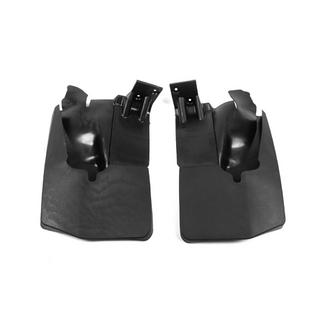
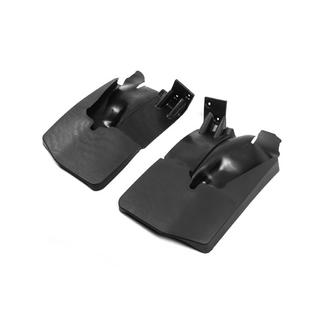
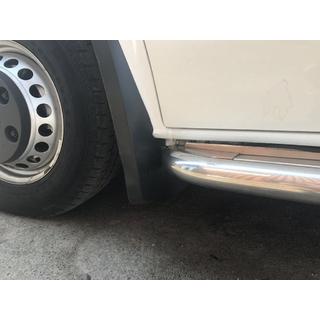
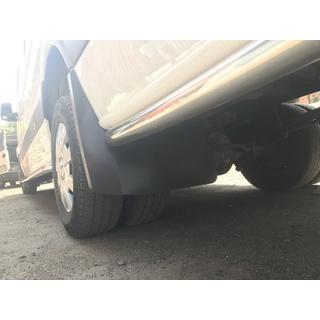
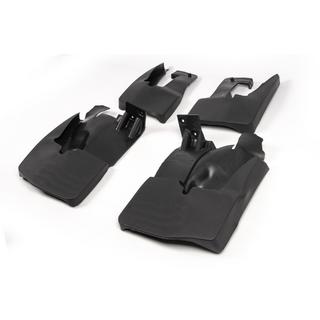
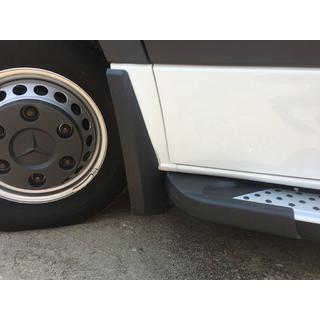
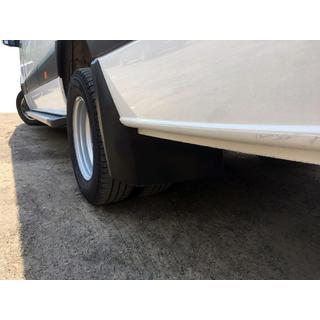
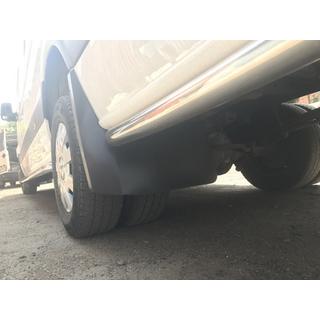
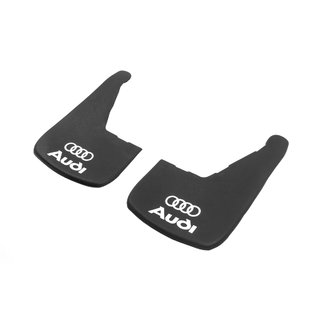
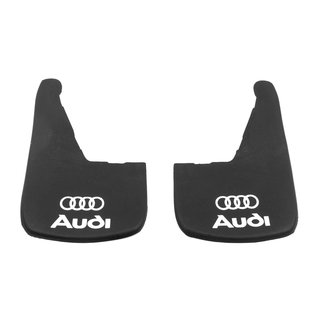
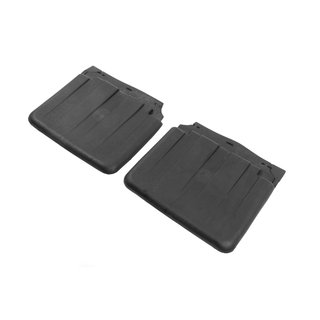
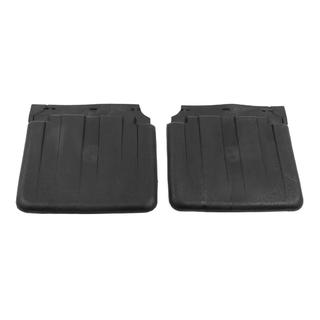
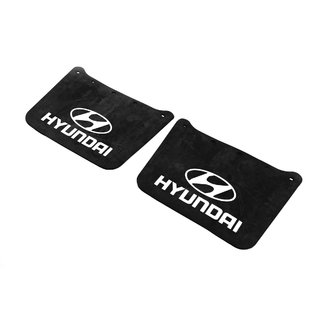
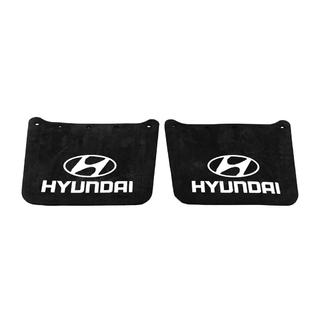
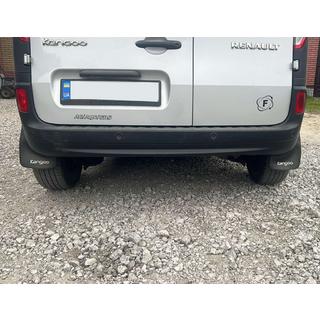
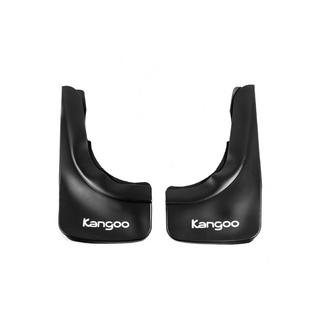
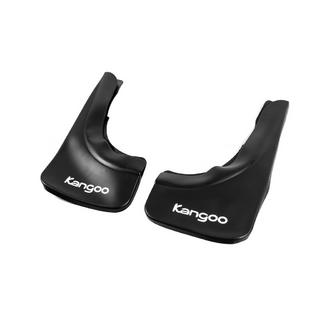
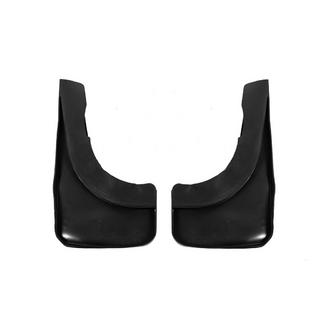
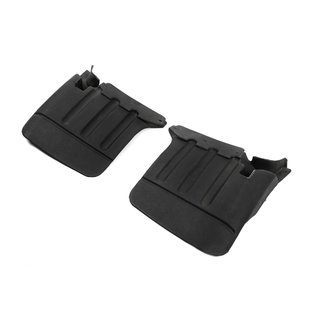
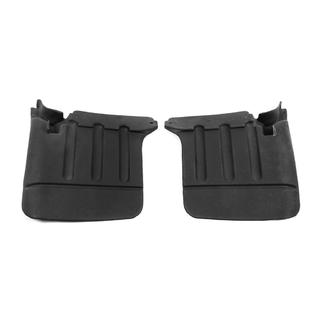


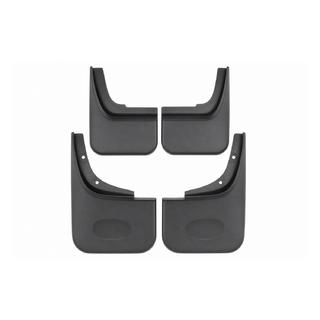
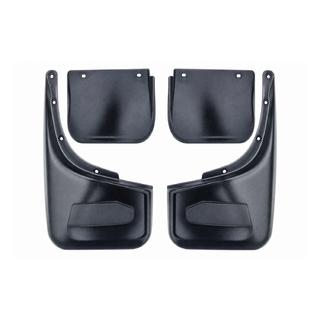
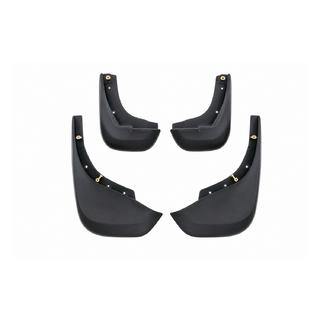
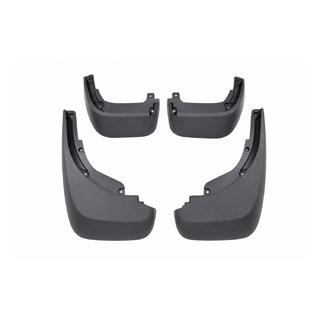
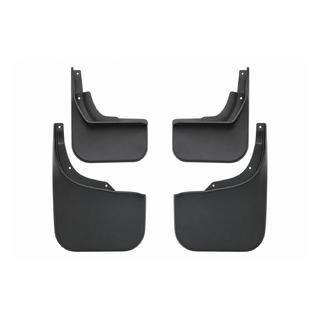
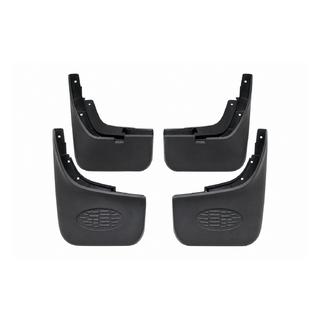
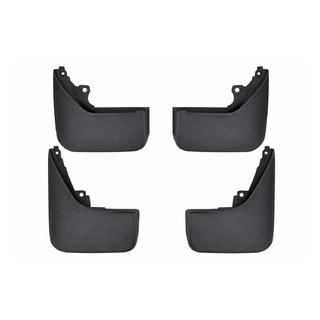
Mud flaps at DD Tuning come in three types: OEM-style – they replicate the shape of the factory mud flaps for a specific model and usually fit the stock mounting points; vehicle-specific – made for a particular model and body (stock mounting points, self-tapping screws, or sealant adhesive); and universal rubber pairs that you trim and fit to the wheel arch. You can choose them in the filter by make, model, and years – there are over 600 vehicle generations, from passenger cars to vans, pickups, and SUVs. Mud flaps stop dirt, water, road chemicals, and small stones thrown up by the wheels and help protect the sills, lower door edges, and bumper.
| Type | How they’re installed | Material | Set | Manufacturers |
|---|---|---|---|---|
| OEM-style | shaped like the factory mud flaps, usually into the stock mounting points | rubber-plastic, rubber | 4 pcs or a pair per axle | Dongmart, EuroCap, Pryn Auto, GBT, 1234 Upgrade |
| Vehicle-specific | for a specific model: stock mounting points, self-tapping screws, or sealant adhesive | rubber, rubber-plastic, fiberglass | 4 pcs or a pair per axle | Pryn Auto, Dongmart, EuroCap, GBT, Meliset |
| Universal | test-fit and trim to the arch, mount to the wheel liner or bumper | rubber | pair, 2 pcs | Polytep, Pryn Auto, EuroCap |
The word “OEM-style” in the category name refers to the shape matching the stock part, not the vehicle manufacturer’s factory: who made a specific item is always listed in the specifications. Some items appear in both the “OEM-style” and “Vehicle-specific” categories.
Rubber mud flaps (Pryn Auto, Polytep) are the most flexible: they handle curb contact and мороз better, and universal rubber pairs can be trimmed to the wheel arch. Rubber-plastic (Dongmart, EuroCap, 1234 Upgrade) keeps the shape of the stock part while staying moderately flexible. Meliset fiberglass mud flaps for Volkswagen T4 are rigid and are glued on with sealant. Most items are black; for Land Rover Defender 2019–, GBT offers Type-A and Type-B options, including gloss black.
Polytep makes pairs in 230×375 mm and 280×440 mm, 3.5 mm thick – with the car brand name, without lettering, and in a 4WD version. Before buying, measure the space behind the wheel: a mud flap that’s too short protects хуже, while one that’s too long can catch on curbs and bumps. For vans with dual rear wheels, the rear mud flaps need to be wider – check the dimensions in the specifications.
Mud flaps are also called splash guards. They are shields behind the wheels; wheel arch liners are a different part that covers the wheel arch from the inside. Mud flaps are most often searched for Volkswagen Golf 4, Golf 5, Transporter T4, Ford Focus II, Kia Sportage 2004–2010, Opel Astra G, and Citroen.
This description was prepared with the help of AI based on the analysis of over 1 million phone calls between DD Tuning managers and customers, as well as the company knowledge base. We collected the questions customers ask most often and compiled answers verified in real-world use.
Each country has its own DD Tuning store with its own language, currency and delivery terms
Nothing found

We'll let you know as soon as the item becomes available.