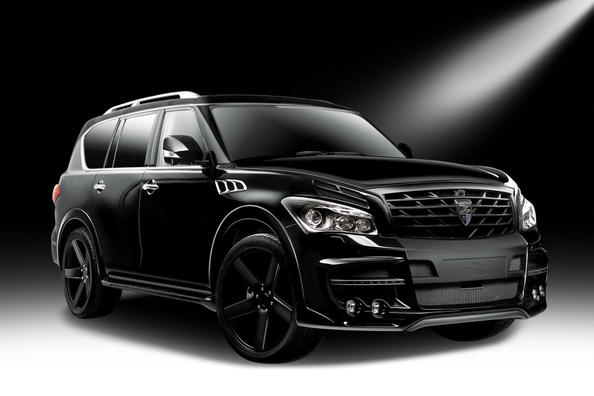
The choice of body kits for many car enthusiasts is a series of sudden impulses based on random factors: I saw on TV, a friend suggested, found it on the Internet, etc. So the result of this approach often does not justify the original expectations. A reasonable solution to fitting the vehicle must be made on the basis of the analysis of the many characteristics and distinguishing features of the products. And one of the main in this number of indicators is the material of manufacture.
List all possible types of raw materials - the hard and ungrateful job, especially when you take into consideration the wonders and experiments of Chinese and "underground" production. We will focus on the most popular and common materials, analyze their strengths and weaknesses. They include:
- polyurethane and rubber goods;
- fiberglass;
- carbon composites;
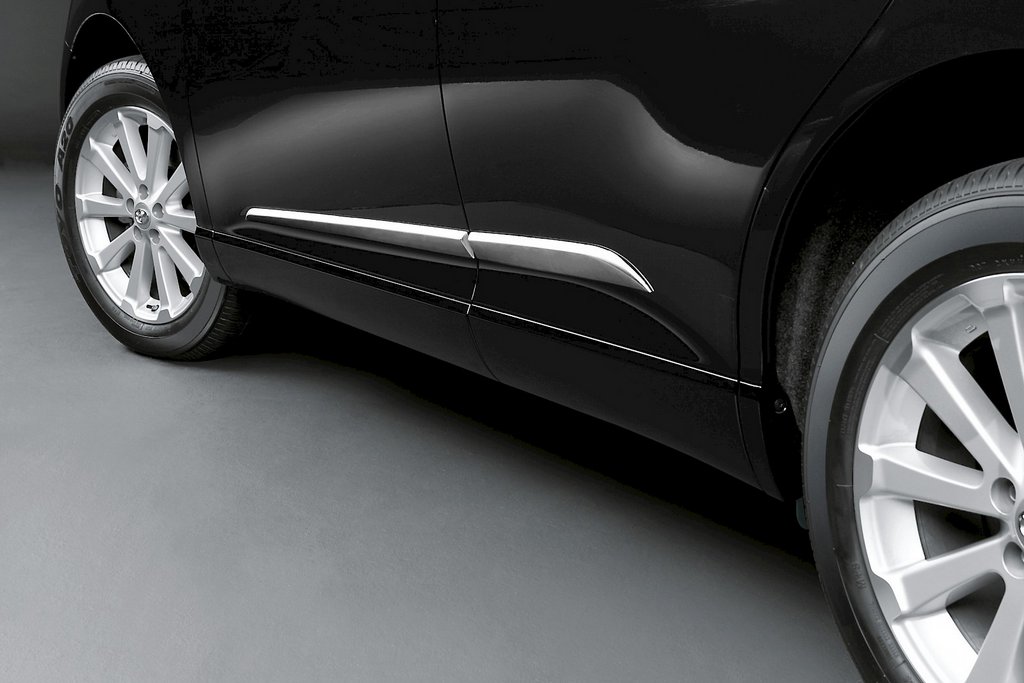
- stainless steel (chrome).
Will discuss each of them in detail.
- Polyurethane and RTI is quite simple and undemanding material for the device body kits, although it has a fairly narrow scope of the design elements of the car.
The advantages of such items include:
- low cost (with the exception of high-quality polyurethane);
- high damping properties (ability to absorb impact energy);
- elasticity (not exposed to serious deformations keep their shape).
Of the shortcomings can be noted:
- vulnerable to low temperatures and its large fluctuations;
- under the action of sunlight, moisture, temperature, can lose the initial properties;
- over time, cracking and crumbling of the products;
- is not always aesthetically pleasing appearance.
- Fiberglass is one of the most common and available materials in the market of auto-tuning, has a good performance at a moderate cost.
In a number of positive properties, we note the following:
- the ability to form various structure and design kits;
- very "affordable" price, there are budget low-cost model;
- maintainability (small lesions);
- resistant to the action of climatic factors;
- ease of installation and dismantling.
It should be noted his negative side:
- the fragility and brittleness under impact, bending or pressure;
- rigidity with a minimum of elasticity;
- certain limitations on the use of paint materials and reagents.
- Carbon composites - are more expensive and even luxury type materials on the basis of application of the reinforcing compounds: carbon fiber, Kevlar or various combinations of the original components.
From a positive highlight the following characteristics:
- light weight body kit, has a minimal impact on vehicle dynamics;
- high strength quality;
- not subject to moisture and temperature;
- attractive appearance.
In a liability can be recorded:
- high cost;
- costly repairs;
- a limited model range.
- Stainless steel is often a compromise between expensive and cheap materials, largely eliminating the negative aspects and embrace the positive "competing" alloys and compounds. Often used with a chrome finish.
Advantages of stainless steel:
- insensitivity to natural and climatic influences;
- not subject to corrosion;
- high strength characteristics;
- the possibility of straightening and repair;
- longevity of operation;
- bright and looks attractive.
Of the negative aspects can be noted:
- relatively high cost (but cheaper carbon fiber products);
- the weak elastic properties of the material;
- the market saturation of poor quality stainless steel and all kinds of cheap compounds "stainless".
Thus, all of these materials is the manufacture of body kits in one form or another can be used in Your car. All of them can find the "pros" and "cons", both good and bad models, versatile and uskoreniye products. The main requirement it to be quality material that meets the requirements of world standards. Then the lifetime and individual execution details will give satisfaction from Your tuning.