Washing your car's engine is not only a matter of aesthetics, but also a way to extend the life of its components. Dirt and oil can damage components under the hood, but washing it too often is also undesirable. This article will tell you when and why you should wash your engine. You can also improve your car and complement its exterior by using tuning accessories, a huge range of which is available in our product catalog.
Why do you need to wash the engine?
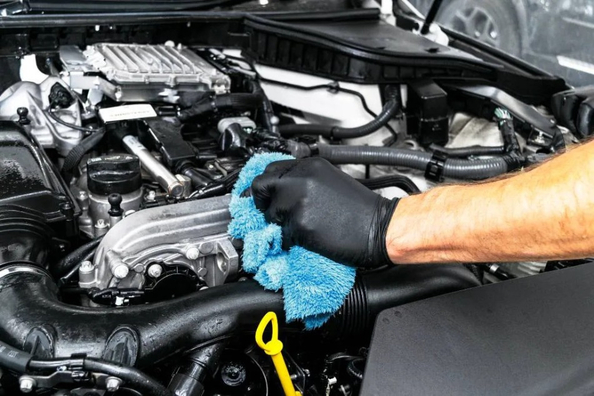
A clean engine is not only about aesthetics, but also about functionality.
- Diagnostics: It is easier to spot oil, antifreeze, or other technical fluid leaks on a clean engine. This allows you to detect and eliminate the malfunction in time.
- Cooling: A thick layer of dirt, dust, and oil on the engine's surface reduces heat dissipation. This can lead to overheating, especially in hot weather.
- Fire safety: Accumulated oil deposits mixed with dust are flammable. In the event of an oil leak, they can ignite from contact with hot elements.
When is the best time to wash the engine?
The optimal time for washing is the warm, dry season.
- In the spring: After winter, the engine accumulates a lot of dirt, salt and reagents. A spring wash will help get rid of them and prepare the car for summer operation.
- In the summer: In the warm season, the engine dries out easily and quickly, which reduces the risk of damage to the electronics.
- Before the sale: A clean engine compartment makes a good impression on a potential buyer and shows the owner cares about the car.
When should you not wash?
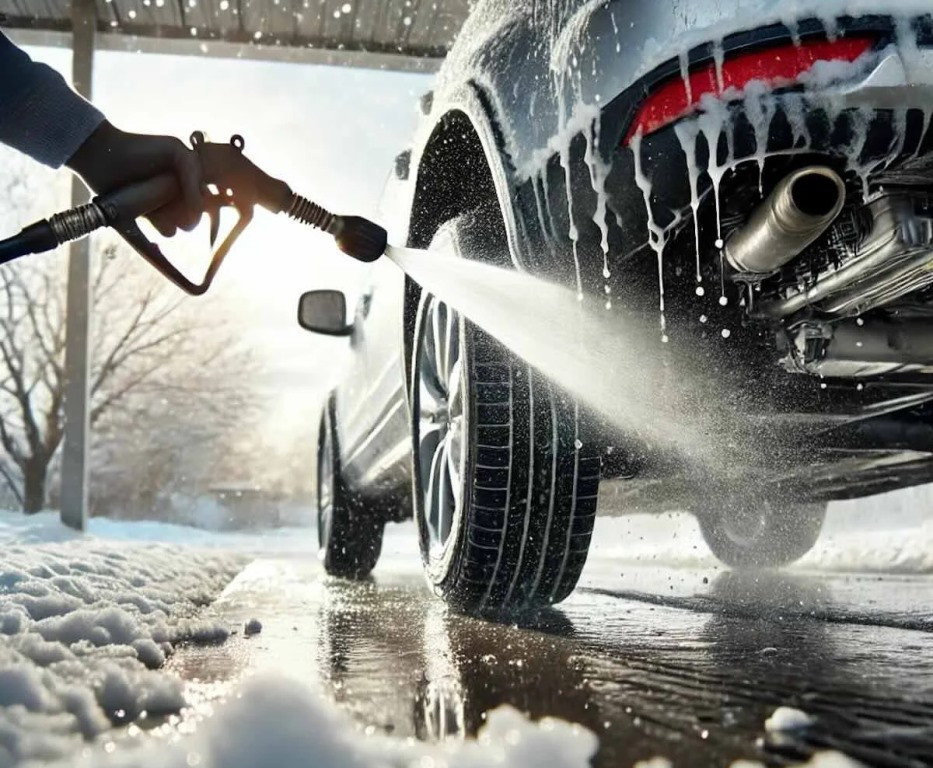
- In cold weather: Freezing water in hard-to-reach areas can damage wiring, connectors, and sensors.
- Before a major repair: Dirt can protect some elements from damage, and after washing they may begin to rust.
Timely washing of the engine will keep it in order and facilitate diagnostics.