 Author: Radomskyi Maksym Vasyliovych
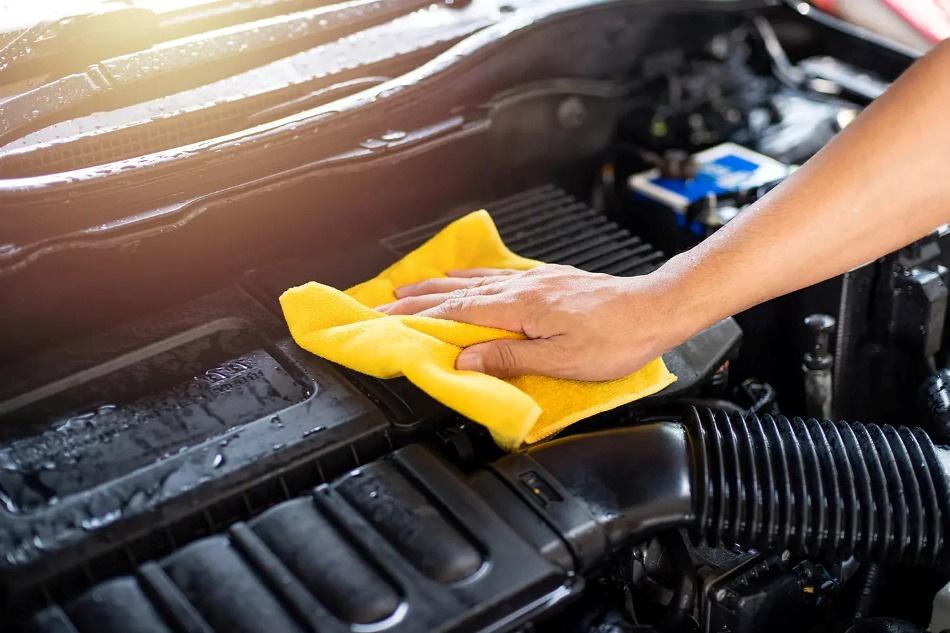
The opinions of motorists and experts on how often you need to wash your car engine differ. Some consider it a necessary procedure, others warn against unnecessary intervention. Let's understand this issue. You can also significantly transform your car and add practicality to it if you use tuning accessories, a large selection of which is available in our product catalog.
Why wash the engine at all?
Despite the controversy, washing the engine has its justifications:
- Improve heat dissipation: A layer of dirt can prevent the engine from cooling effectively, especially in hot weather.
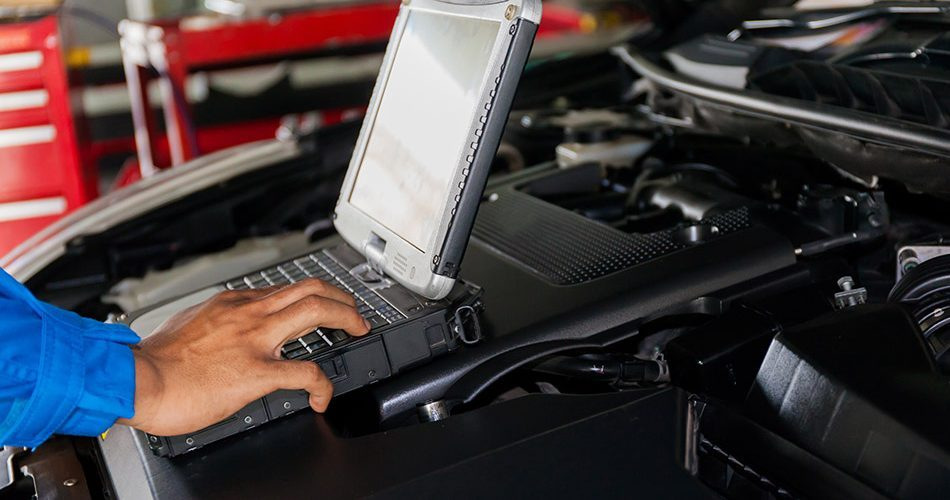
- Easier diagnostics: A clean engine makes it easier to detect oil or other fluid leaks.
- Aesthetic appearance: A clean undercarriage looks nicer and shows that the car has been taken care of.
How often should the procedure be performed?
There is no clear answer to this question, but you can focus on the following factors:
- Operating conditions: If you often drive on dusty roads or off-road, the engine may become dirty faster.
- Presence of leaks: If oil or other fluid leaks are detected, the sink will help determine their source.
- Scheduled Maintenance: Many auto mechanics recommend washing the engine before major maintenance.
In general, most experts agree that washing the engine 1-2 times a year is enough . However, if the engine looks very dirty or there are obvious signs of contamination, you can carry out the procedure unscheduled.
Important warnings
Improper engine washing can lead to serious problems:
- Damage to electronics: Water getting on electronic control units or sensors can cause them to break.
- Ignition problems: Moisture in the spark plug wells or on the ignition coils can cause the engine to run erratically.
Therefore, if you are not confident in your abilities, it is better to entrust the engine wash to professionals who know all the nuances of this procedure and use safe products.
Finally, washing the engine is not a mandatory procedure, but it can be useful if certain rules are followed and necessary. Focus on the condition of your car and, if in doubt, contact a specialist.