19.08.2025
516
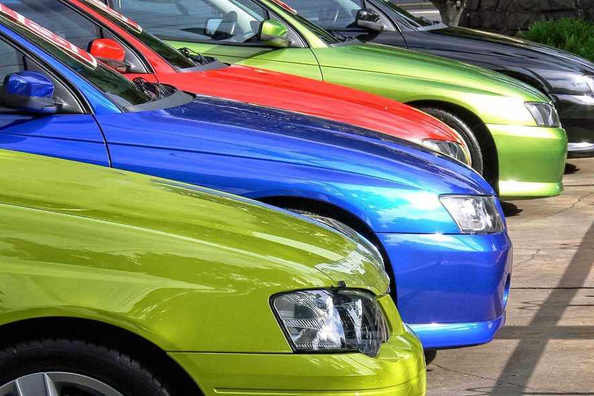
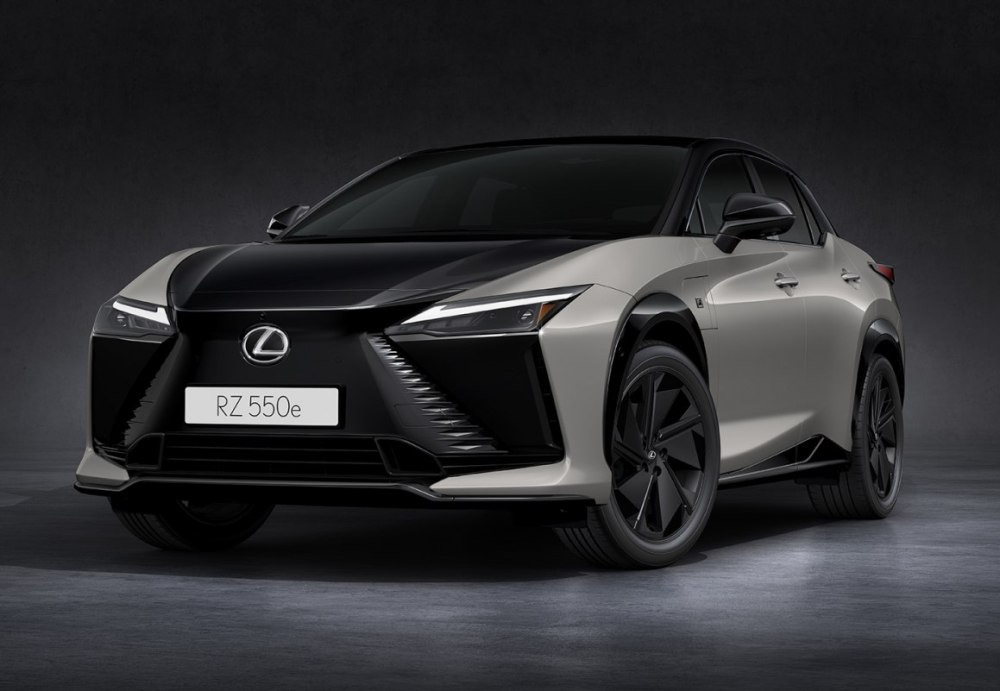
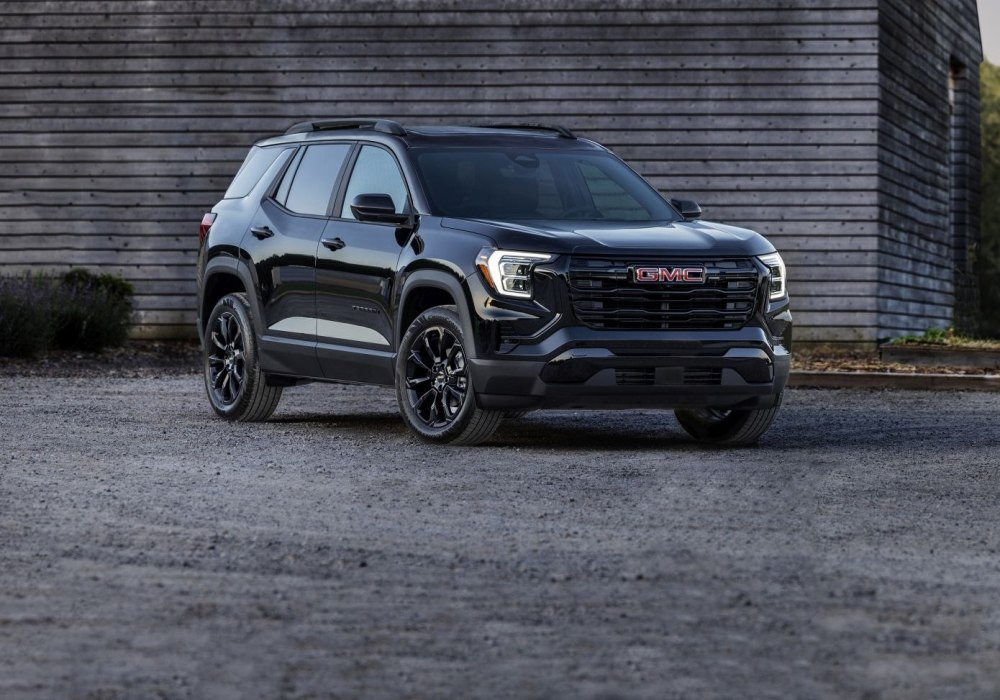
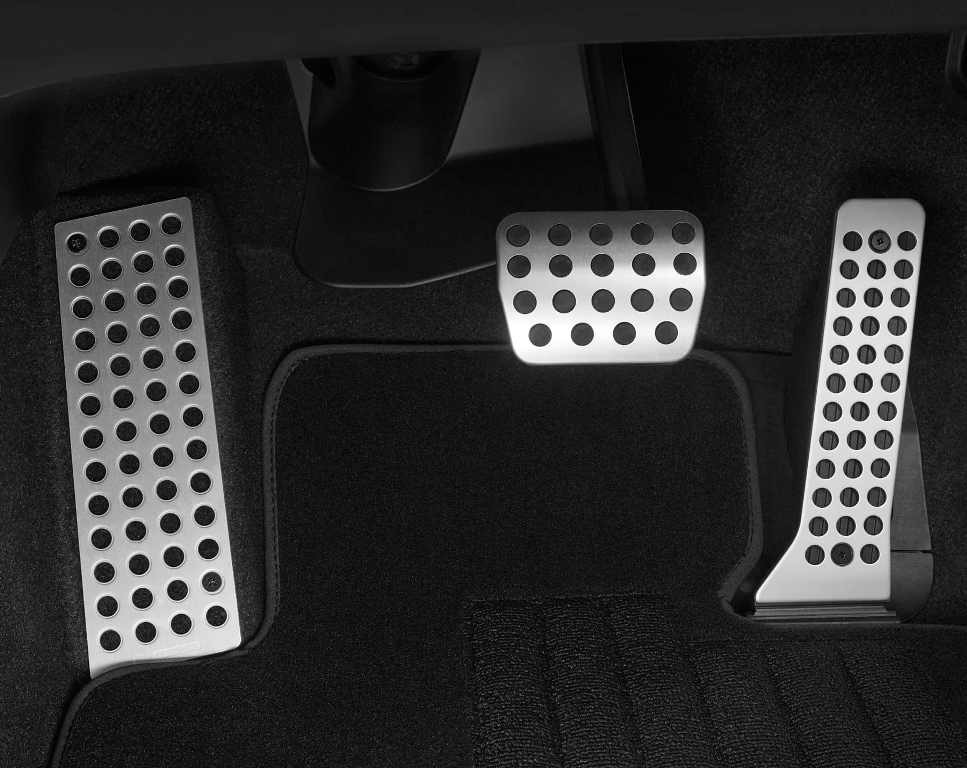
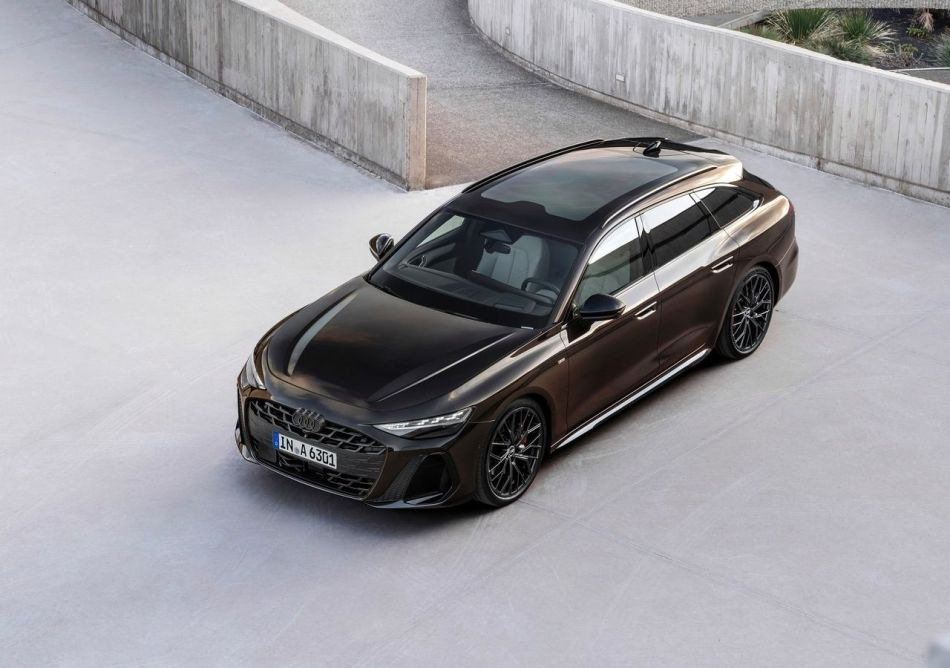
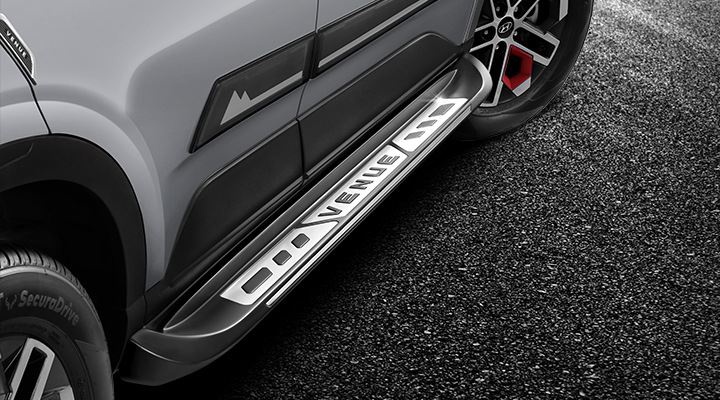
The choice of color when buying a car is a matter of taste for most people. Some prefer bright and catchy shades, others - strict and conservative classics. However, the color of the body has a direct impact on road safety, practicality in everyday use, the temperature in the cabin and even the final cost of the car during resale. To improve the attractiveness of the car, we also recommend using tuning accessories, a wide range of which is available in our product catalog.
Accident statistics around the world show a clear link between the color of a car and the risk of getting into an accident. The most visible colors are considered the safest.
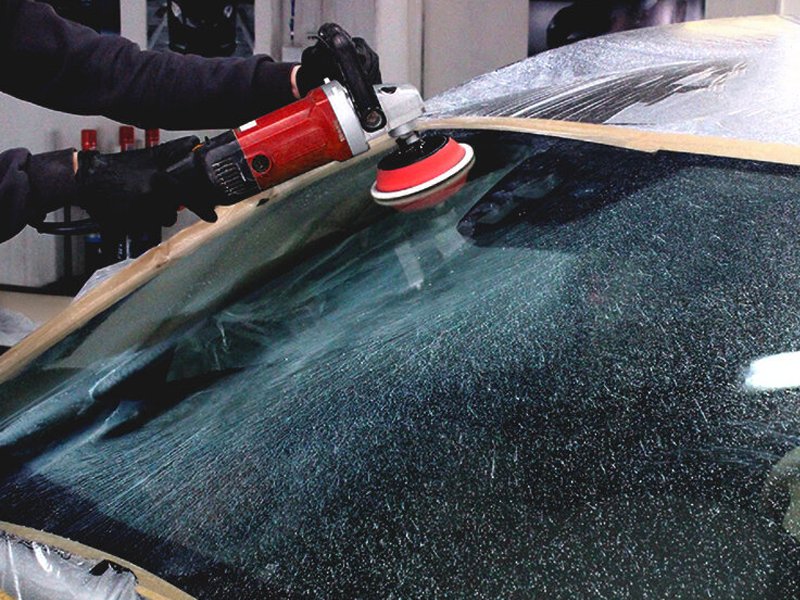
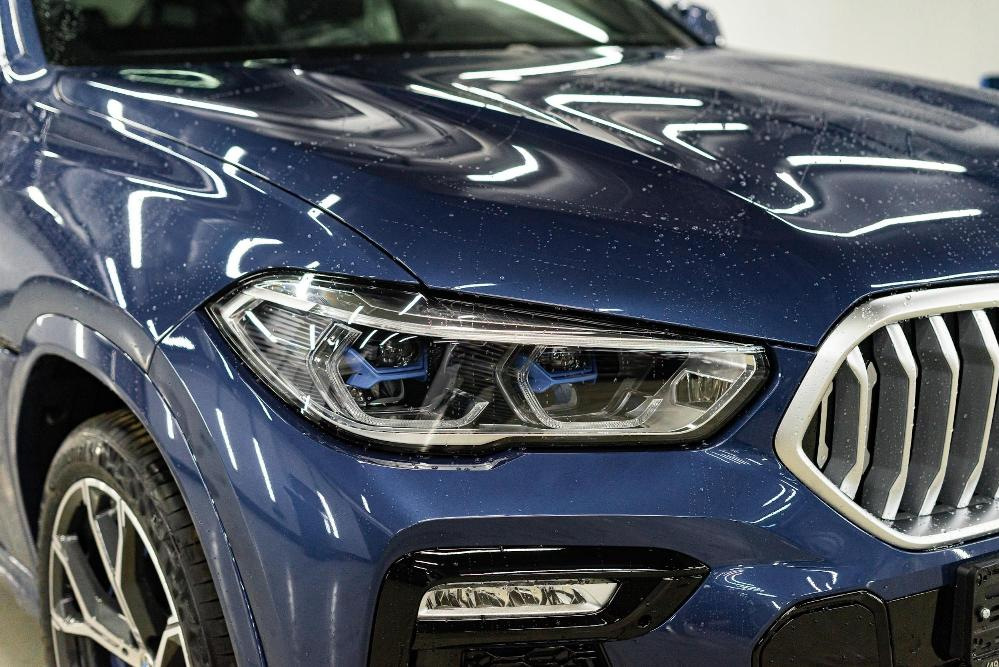
Color affects both how often you have to visit the car wash and the microclimate in the cabin.
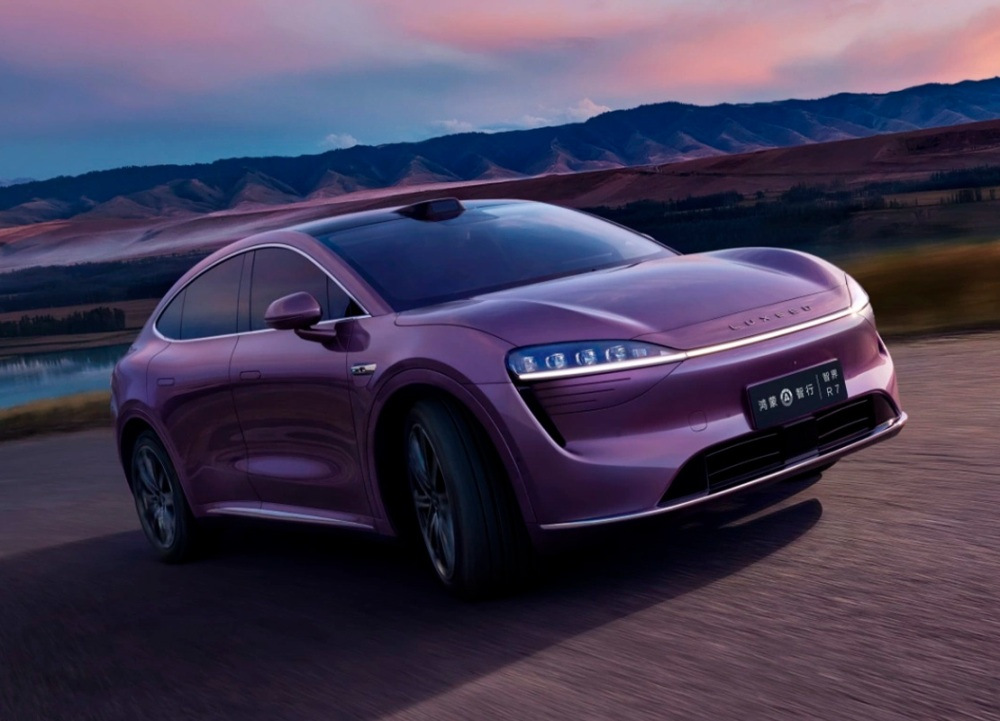
When reselling a car, its color can either speed up or slow down the process. The most popular cars on the secondary market are neutral, conservative colors: black, white, and silver. Cars in bright and exotic shades (such as pink or lime green) can wait longer for their buyer, which sometimes forces the seller to lower the price.
Shipping to EU
Wholesale and retail
Own warehouse
Опис продукту
Подарунки не надаються при оформленні покупки у кредит під 0,01% або при покупці частинами.