
































































 Author: Radomskyi Maksym Vasyliovych
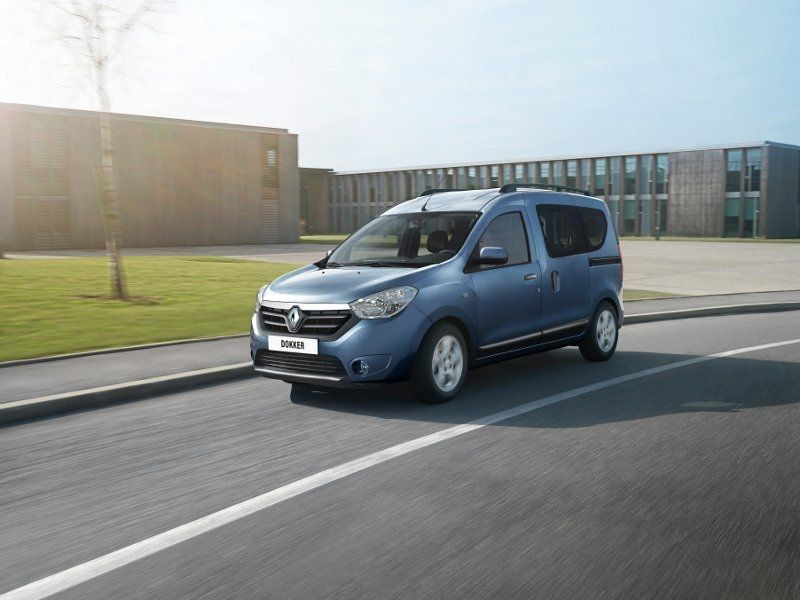
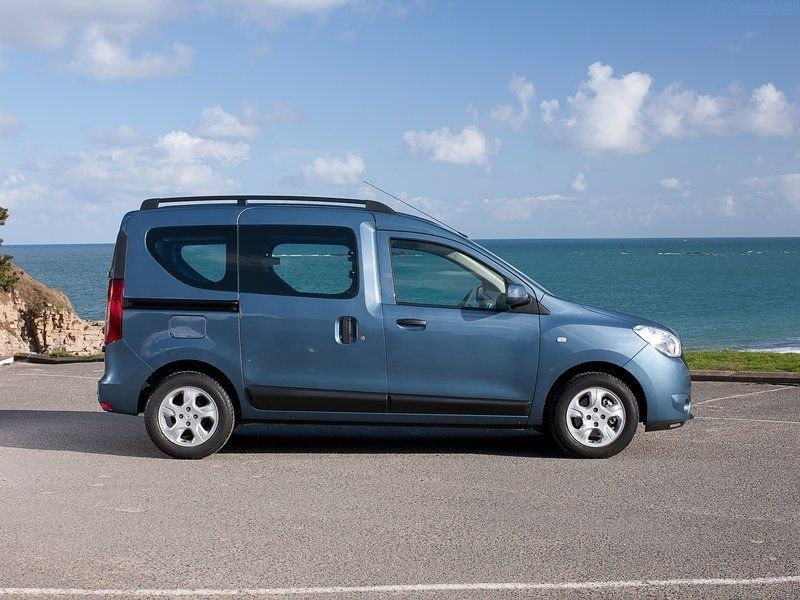
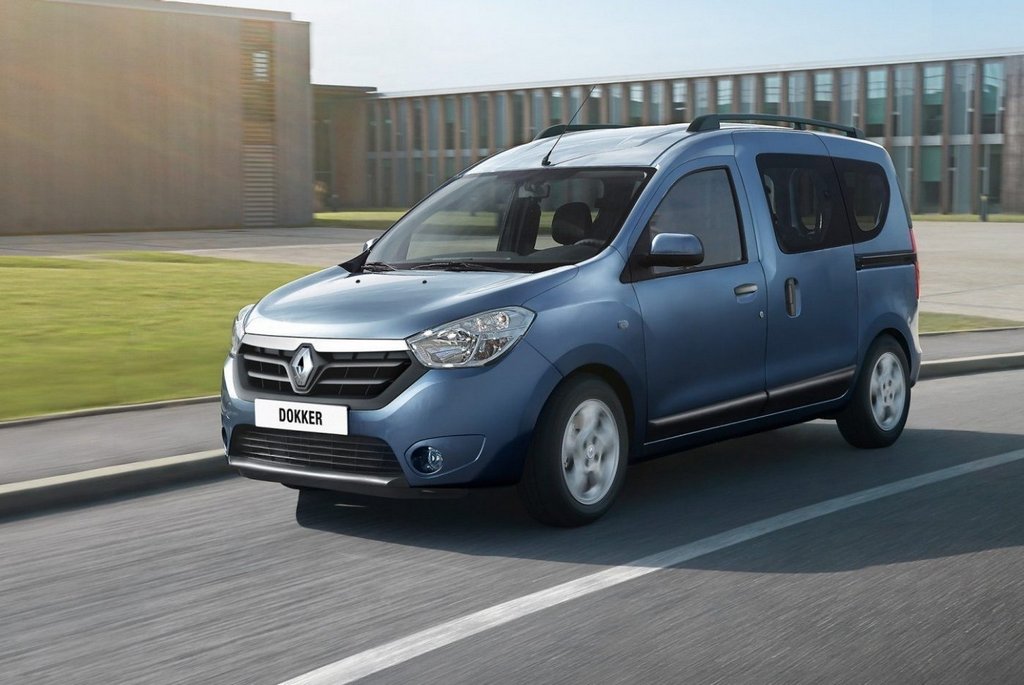
Renault Dokker is the same compact MPV that was sold in Europe as the Dacia Dokker: the model was introduced in 2012, assembled at Renault’s plant in Tangier (Morocco), and production there ended in 2021. There are no new Dokker anymore: in the Dacia lineup, the passenger version was replaced by the seven-seat Jogger; the commercial role on the same platform was taken over by the Renault Express; and one class above sits the third-generation Renault Kangoo. Below are the specs from the Ukrainian Renault brochure, what to look for on the used market, and what to fit to a Dokker.
Contents
- Renault Dokker and Dacia Dokker — the same car?
- When the Dokker was discontinued
- What specs the Renault Dokker has
- Which Dokker to buy on the used market
- What replaced the Dokker
- What to fit to a Dokker
Renault Dokker and Dacia Dokker — the same car?
Yes. Officially, the model debuted at the Casablanca Motor Show in 2012 as the Dacia Dokker: in Morocco it went on sale in June 2012, and in Romania in September. In Europe, North Africa, Turkey, and Israel the car wore the Dacia badge, while in Ukraine, the CIS countries, and the Middle East it was Renault. In Latin America and Algeria, the same model was named Renault Kangoo so as not to compete with the French Kangoo; in Argentina it has been assembled under that name since 2018.
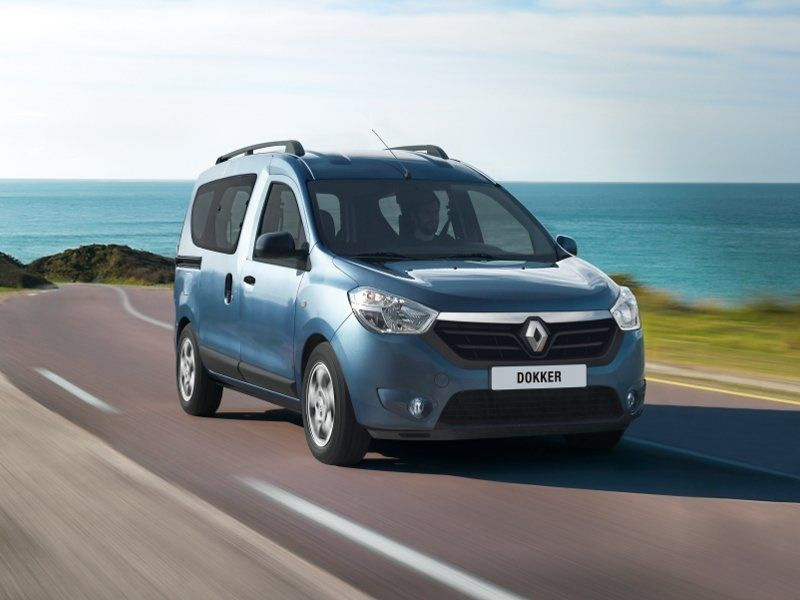
The body, the Dacia M0 platform, and the engines are shared between Renault Dokker and Dacia Dokker. The difference is in the front-end styling: the grille and the cutout for the emblem are unique, so chrome grille trims from Dacia do not fit Renault. Besides the five-seat passenger version, there were the cargo Dokker Van and the “off-road” Dokker Stepway, shown at the Istanbul Motor Show in 2012.
When the Dokker was discontinued
Dokker production in Tangier ran from 2012 to 2021. Dacia pulled the model from the French market back in 2020, and in November 2020 Renault unveiled the Express — a commercial model based on the updated Dokker with a new bumper, headlights, instrument panel, and LED rear lights, but with the same body. The Ukrainian Renault Dokker Van brochure is dated October 2020; in our catalog the model is listed as 2013–2022. After 2021, new Dokker were no longer produced.
Under the name Renault Kangoo, the Argentine version of the Dokker lives on to this day: it has been assembled in Cordoba since 2018 and sold in Latin America, and since July 2023 — in Algeria as well.
What specs the Renault Dokker has
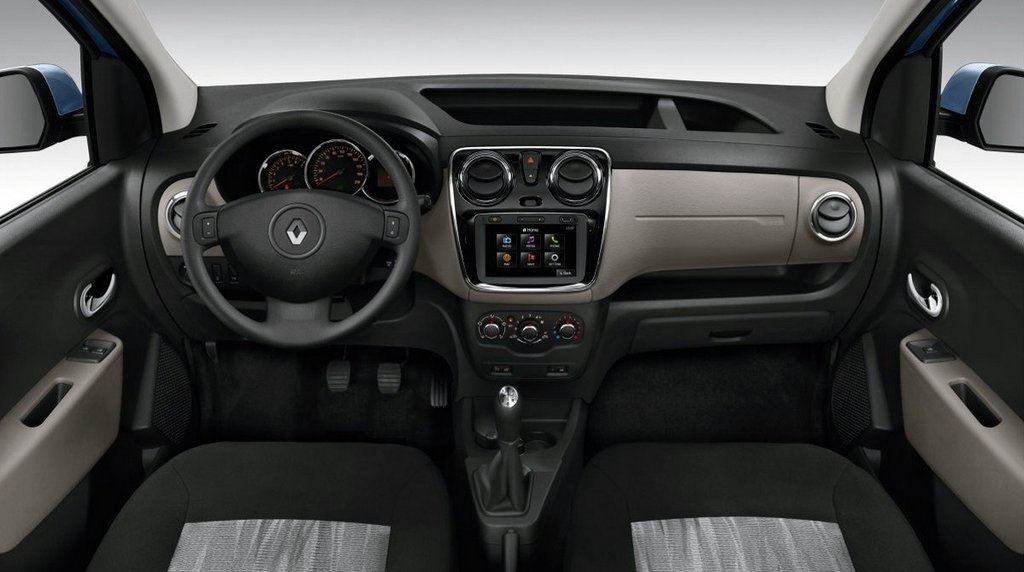
For the Ukrainian market, Renault offered two engines: a 1.6-liter gasoline and a 1.5-liter dCi diesel, both with a 5-speed manual gearbox and front-wheel drive. The figures below are from the Renault Dokker Van brochure for Ukraine (October 2020); the powertrains for the passenger version are the same.
| Parameter | 1.5 dCi (diesel) | 1.6 (gasoline) |
|---|---|---|
| Power | 90 hp at 3,750 rpm | 84 hp at 5,000 rpm |
| Torque | 200 N·m at 1,750 rpm | 134 N·m at 2,800 rpm |
| 0–100 km/h acceleration | 13.9 s | 14.3 s |
| Top speed | 162 km/h | 159 km/h |
| Fuel consumption: city / highway / combined | 5.5 / 4.9 / 5.1 l/100 km | 10.1 / 6.4 / 7.8 l/100 km |
| Fuel tank | 50 l | 50 l |
| Braked trailer | 1,200 kg | 1,200 kg |
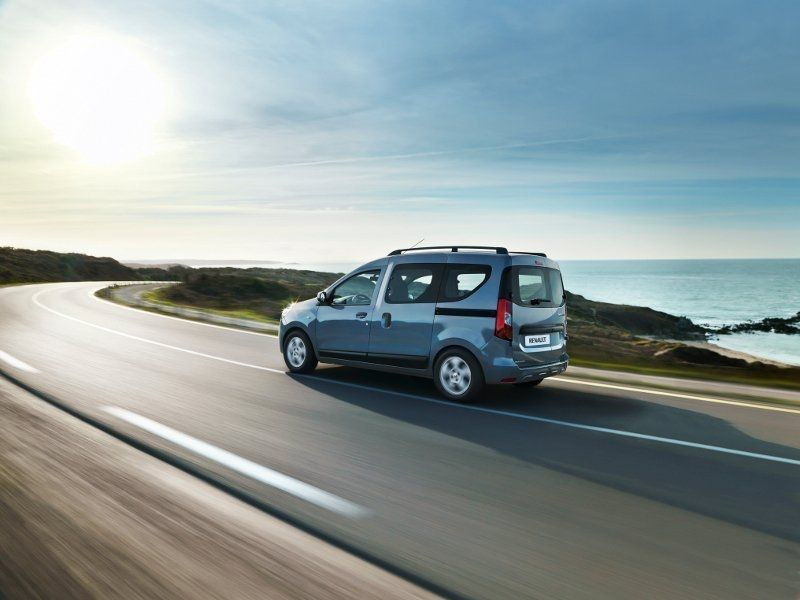
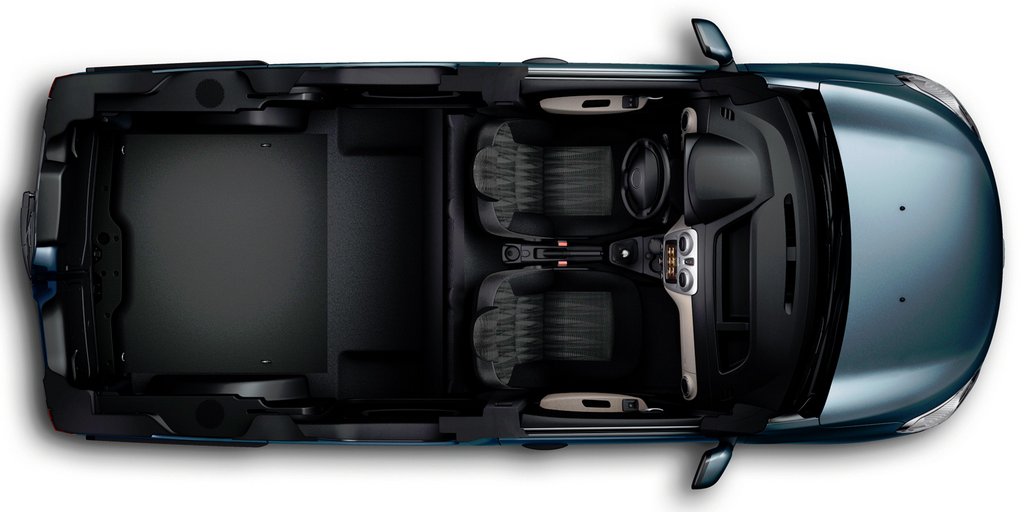
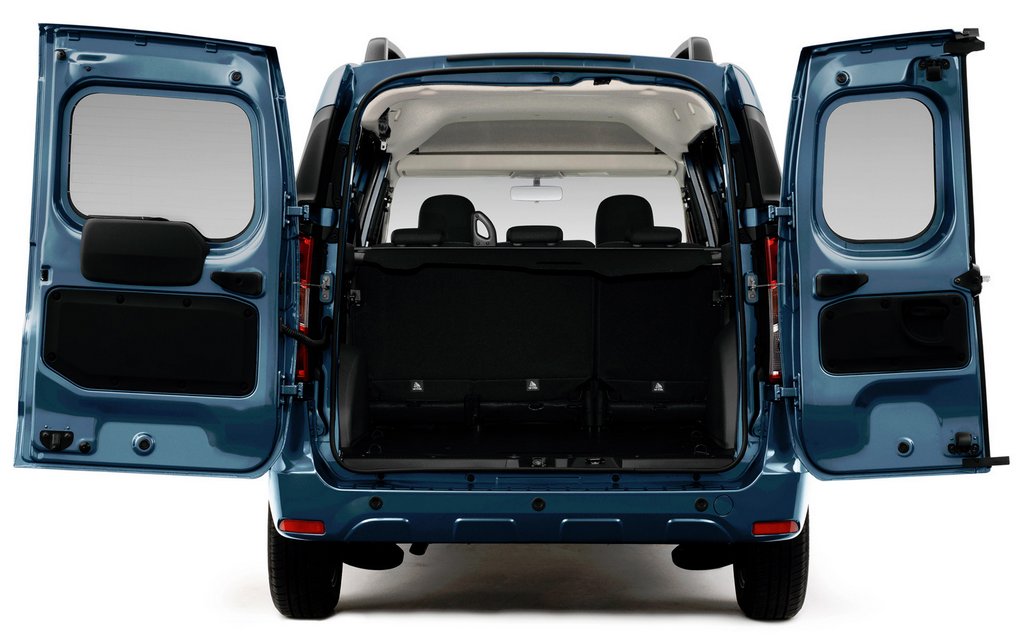
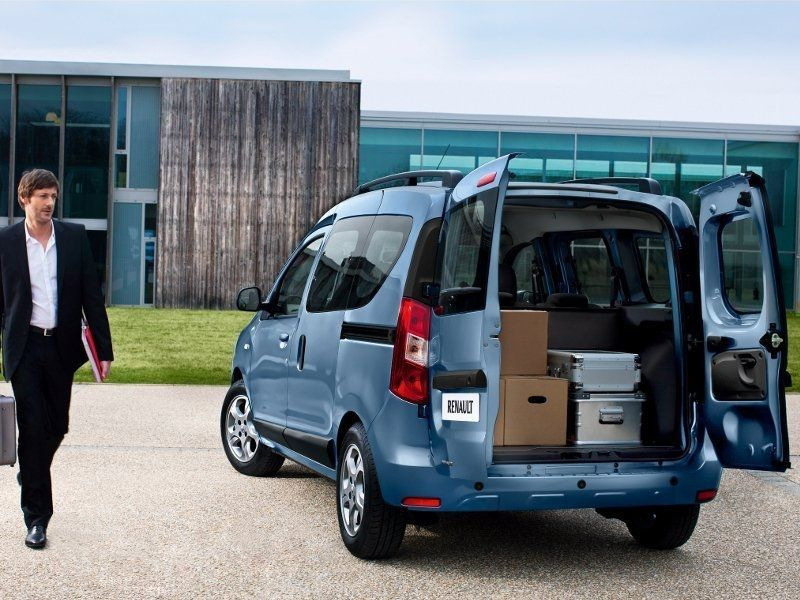
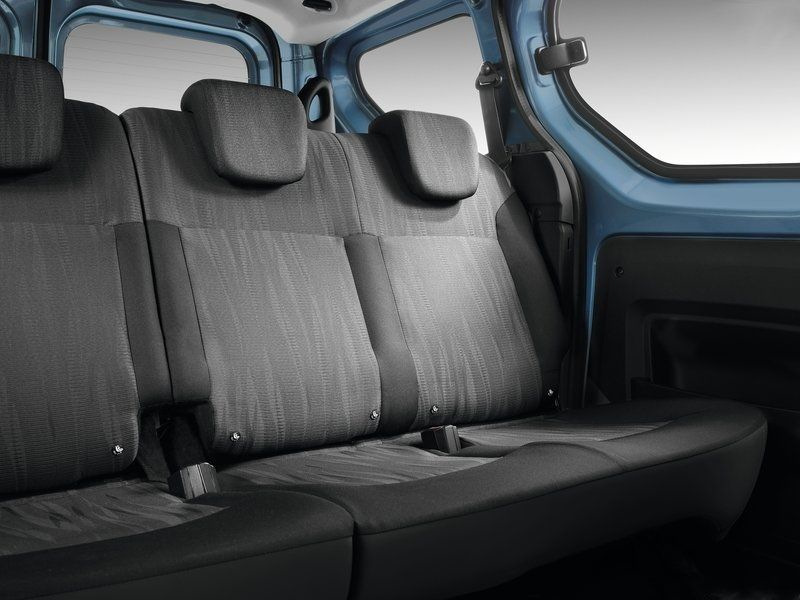
Dimensions: length 4,363 mm, wheelbase 2,810 mm, width without mirrors 1,751 mm, height of the passenger version — 1,814 mm (the van is 1,809 mm without roof rails and 1,847 mm with roof rails). Tires — 185/65 R15. The passenger Dokker’s trunk is 800 l and expands to 3,000 l with the rear seat folded; in the Dokker Van the cargo compartment is 3,300 l, and with the passenger seat removed — 3,900 l with a floor cargo length up to 3.11 m. Payload of the van — 678 kg with the diesel and 695 kg with the gasoline engine.
Which Dokker to buy on the used market
When buying a used Dokker, first decide which version you need: the five-seat passenger one or the Van. The van is designed for two people, has a rubber floor covering and tie-down rings in the cargo bay, and a metal partition was optional — it is not suitable for a family, but it carries more cargo.
- Engine. On paper, the 1.5 dCi diesel uses 5.1 l/100 km in the combined cycle versus 7.8 l for the 1.6 gasoline, and in the city the difference is almost twofold (5.5 versus 10.1 l). For daily work with high mileage, the diesel is the more logical choice; for occasional trips, the simpler gasoline engine fits better.
- Safety. In the base trim of Dokker Van for Ukraine there was only a driver airbag; the front passenger airbag and front side airbags were optional. Check what is installed on the specific vehicle.
- Service campaigns. In 2019, the EU recalled 2018 model year Dokker due to airbags and poor-quality welding of the catalytic converter. Ask the seller or dealer to check by VIN whether this work has been carried out.
- Year and front end. The radiator grilles differ between early and later cars, so choose winter covers and chrome trim for the grille by a photo of the front end, not only by the year.
- Typical issues according to reviews on European service websites: cooling system (thermostat, water pump, expansion tank), rear shock absorbers, air conditioner, and rapid front tire wear.
What replaced the Dokker
There is no direct successor with the same name; the Dokker’s role was split among three models.
| Model | What it is | Main point |
|---|---|---|
| Dacia Jogger | replaced the passenger Dokker, as well as the Lodgy and Logan MCV | shown in September 2021 in Munich, 5 or 7 seats, length 4,547 mm; from 2026 — Hybrid 155 hybrid and Eco-G 120 LPG version |
| Renault Express | an updated Dokker on the same M0 platform | introduced in November 2020, assembled in Tangier; the Express Van has not been sold in the EU since July 2024 |
| Renault Kangoo (3rd generation) | a larger and more expensive compact MPV | introduced on November 12, 2020, assembled in Maubeuge (France), length 4,486 mm; there is an electric E-Tech |
If you are looking for a new family vehicle with Dokker-like practicality, the closest option is the Jogger. Its history and specs are in the review of the first-generation Dacia Jogger, and what is known about the future model is covered in the article about the 2nd-generation Dacia Jogger. Where the brand came from and who owns it, we explain in the article “Whose car is Dacia”.
What to fit to a Dokker
Dokker is most often bought as a work vehicle or a family car, so accessories for it are practical too. Side steps help you reach the roof and protect the body sills — for Renault Dokker there are aluminum Maydos V2 with a stainless-steel plate and Fullmond, for Dacia Dokker — Shining V1; all options are collected in the section bull bars and side steps for Renault Dokker. The tall vehicle is convenient for roof cargo: crossbars for the factory roof rails and a roof basket with a net are in the section roof racks and roof bars for Dokker.
The full model-specific range is in the sections Renault Dokker tuning and Dacia Dokker tuning; if you have already moved to a newer model, see Renault Kangoo / Express 2021+.
We deliver via Nova Poshta throughout Ukraine.