10.08.2026
358
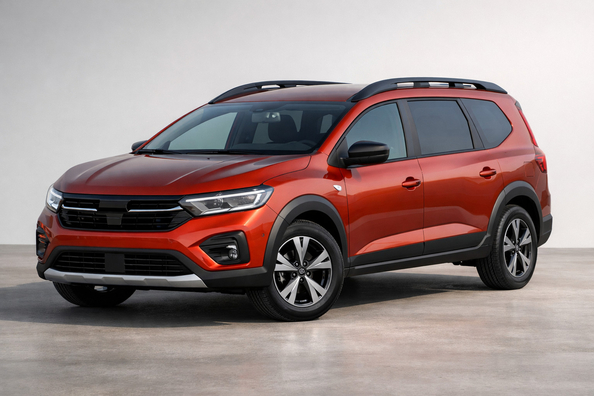

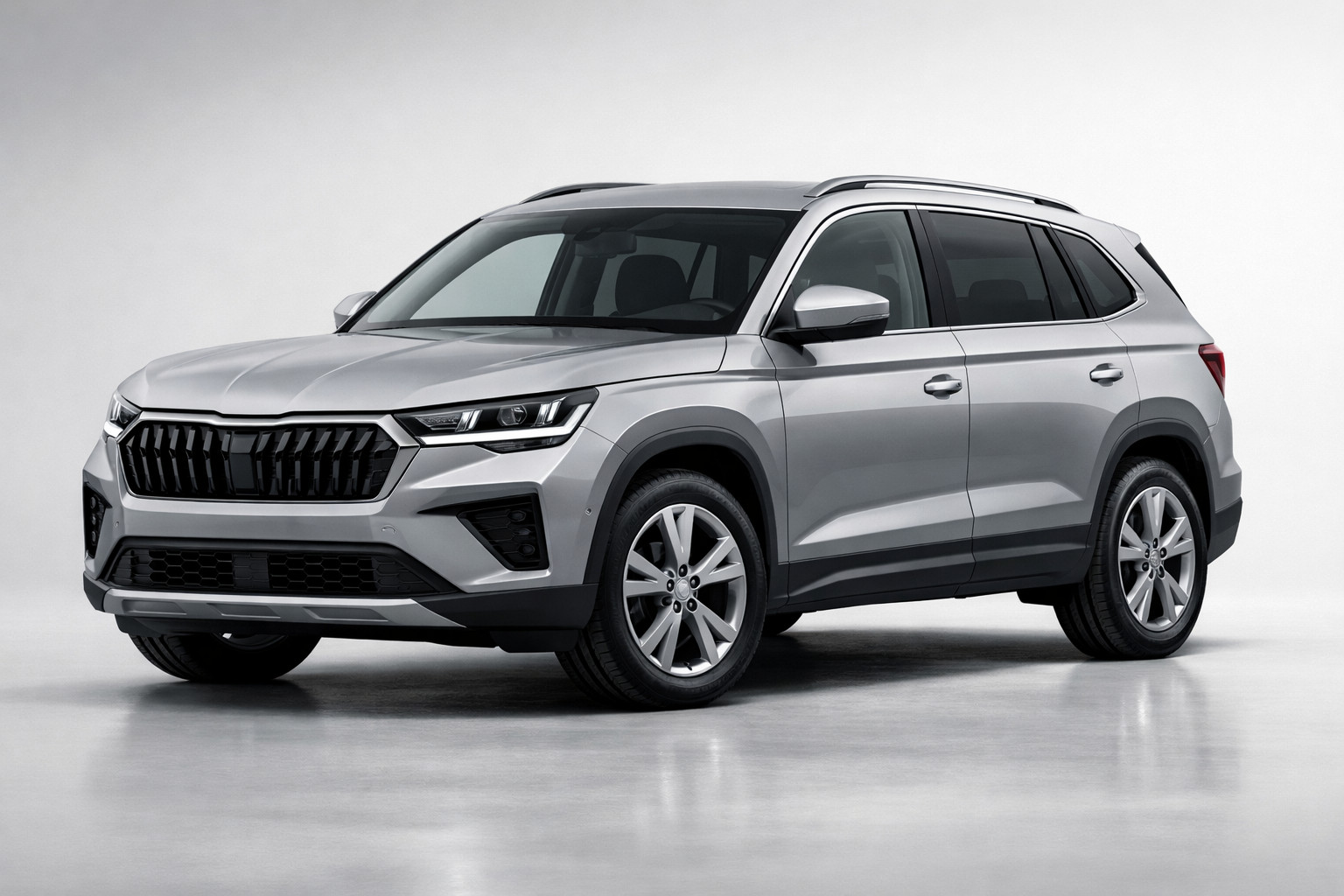
Dacia Jogger after the first-generation update is a practical family car that sits at the crossroads of an estate, a compact MPV, and a crossover-style wagon. Its strength isn’t in acceleration or expensive trim, but in offering lots of space, up to seven seats, high ground clearance, and relatively simple ownership without stepping up into a pricier class.
The model suits families—those who carry kids, stuff, a stroller, occasionally drive to the cottage or travel, and don’t want to overpay for a large crossover. It’s not the best choice for those who expect a quiet highway ride at high speeds, a rich set of electronic driver aids, and the feel of a higher-segment car.
Jogger has filled a niche that has almost disappeared: an affordable family car with a long wheelbase, a proper trunk, and the option of a third row. Formally it’s often called a compact MPV, but in character it’s more of a raised family estate. That’s why it’s more practical than most budget crossovers in cabin and cargo space, even if it lags behind them in perceived “status” and sound insulation.
In the market, people choose Jogger not for emotions but for logic: one car covers the role of a city family vehicle, an intercity hauler for things, and an inexpensive long-distance car—especially in the gasoline version with LPG.
The model debuted at the end of 2021, with sales in most markets starting in 2022. This is the first generation of Jogger, and it remains current. The car effectively replaced two practical formats in the brand’s lineup at once: the Lodgy family compact MPV and the spacious Logan MCV estate.
By “facelift” or the first-generation update, people usually mean cars with Dacia’s new brand identity and small changes to the exterior, trims, and equipment. Importantly, this is not a new generation: the platform and overall concept stayed the same, so the model’s strengths and weaknesses are easy to read regardless of the exact version.
Jogger’s range is small but straightforward. Depending on market and model year, engine availability may differ, but the basic logic is: turbo gasoline for all-round use, gasoline with factory LPG for savings, and a hybrid for the city and a calm everyday pace.
| Version | Displacement | Power | Transmission | Practical takeaway |
|---|---|---|---|---|
| 1.0 TCe | 999 cm³ | 110 hp | 6-speed manual | The most versatile option if you need a balance of pull and price |
| 1.0 ECO-G | 999 cm³ | 100 hp | 6-speed manual | The cheapest for daily driving thanks to LPG, but with little performance reserve under full load |
| Hybrid 140 | 1.6 L gasoline + electric motor | 140 hp total | multi-mode automatic | The most pleasant in the city, quieter at low speeds, more convenient in traffic jams |
There’s no all-wheel drive in Jogger: it’s a front-wheel-drive model. For highway driving and a full cabin, the 1.0-liter versions should be judged realistically—they’re sufficient, but they don’t feel like they have much in reserve. Hybrid 140 delivers smoother urban behavior, but simplicity and low running costs are usually on the side of the regular gasoline versions.
One of the main reasons to look at Jogger is its dimensions without the feeling of bulk. The car is long but narrow by modern standards, so it’s easier to maneuver than many mid-size crossovers. The suspension is tuned for everyday comfort, and the ground clearance makes it easier to live with poor asphalt, courtyards, and gravel roads.
| Parameter | Value |
|---|---|
| Generation | Generation I, since 2021 |
| Length | 4547 mm |
| Width without mirrors | 1784 mm |
| Height | about 1.63–1.67 m depending on measurement method |
| Wheelbase | about 2897 mm |
| Ground clearance | 200 mm |
| Number of seats | 5 or 7 |
| Trunk | about 160 L behind the third row, about 565–607 L in the five-seat configuration, over 1800 L with the rows folded |
| Drive | front |
| Suspension | MacPherson struts front, semi-independent torsion beam rear |
In practice, it means this: the third row in the seven-seat version is useful, but not magical. For kids and short trips it really works, but with adults and luggage you have to choose a compromise.
The Jogger’s interior is simple in materials but logical in everyday use. The seating position is high, visibility is good, the second row works for family duty, and the door openings are convenient for child seats. The plastics are hard, but that’s no surprise for the class: the focus here is on durability, not on a premium feel to the touch.
Comfort depends on the scenario. In town the car feels light and undemanding; on the highway you notice tire and wind noise. Safety should also be viewed without illusions: the basic systems are there, but the suite of modern driver aids and the overall sense of “electronic protection” are more modest than in pricier rivals.
In daily life, Jogger is strongest where a car is meant to work rather than impress. In ECO-G form it’s attractive for fuel costs, in the hybrid for the smoothness of city driving, and in TCe 110 for clear, all-round versatility. High ground clearance, a long wheelbase, and a roomy cabin fit the family routine well—school in the morning, shopping during the day, and a countryside trip on the weekend.
Among the everyday drawbacks, owners most often mention modest sound insulation, average performance in the weaker versions when fully loaded, and the fact that the third row doesn’t turn the car into a full-size minivan. But it’s the simple engineering and straightforward servicing that make Jogger a strong choice for a pragmatic owner.
| Strengths | Weaknesses |
|---|---|
| Excellent balance of price, interior space, and practicality | Sound insulation and the overall feel of trim quality are basic |
| Choice of 5- or 7-seat configuration | The third row is more occasional than truly suitable for long trips |
| 200 mm ground clearance is genuinely useful in real life | No all-wheel drive |
| ECO-G version is interesting for high mileage | 1.0-liter engines don’t like inflated expectations for dynamics |
| Simple, logical interior that works well for a family | Safety equipment and driver aids are more modest than in pricier competitors |
From an owner’s perspective, Jogger suits someone who counts usable volume and budgets for fuel and service—not the softness of the dashboard plastics. It’s less suitable for those who drive highways at high speed every day or often carry seven adults with luggage.
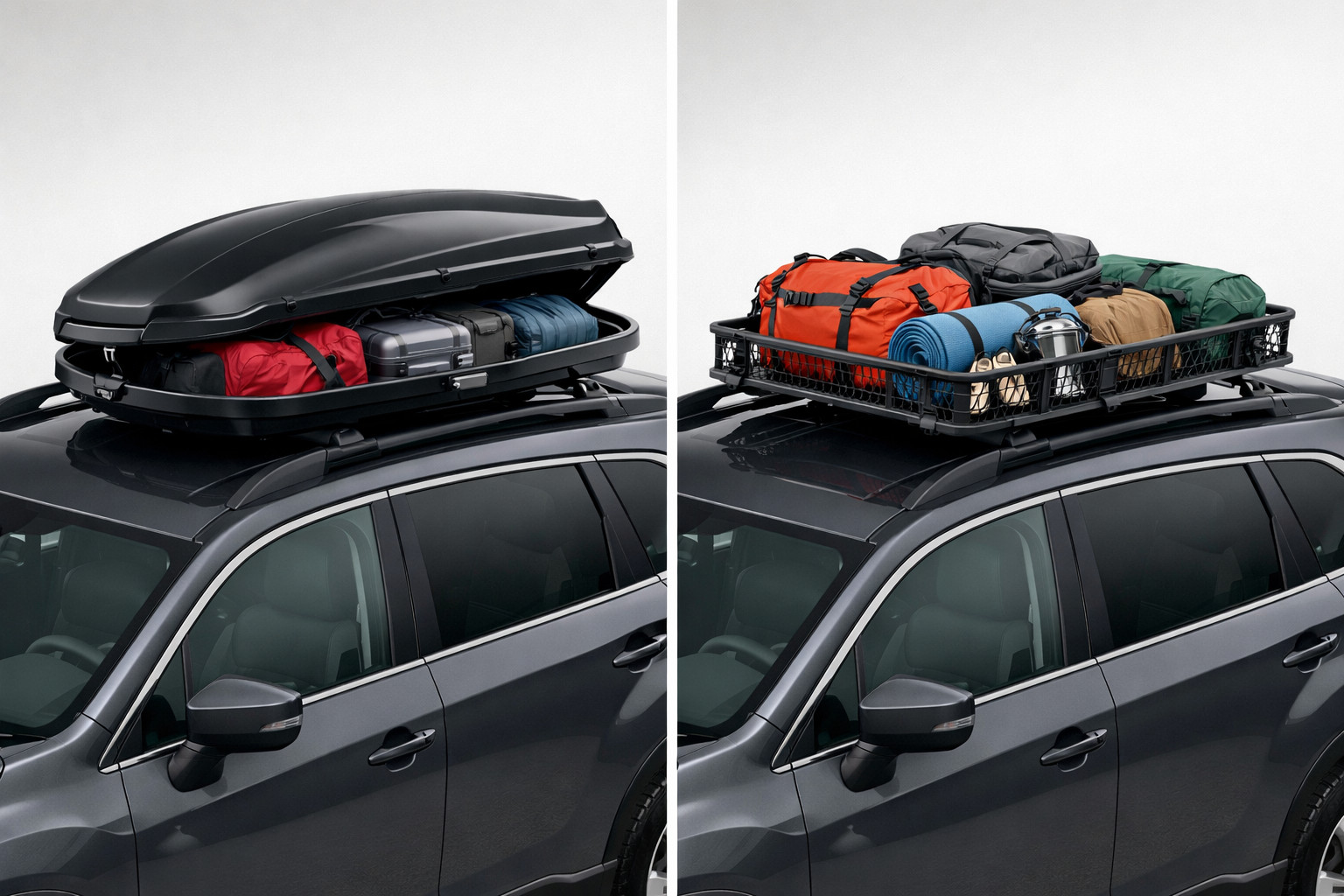
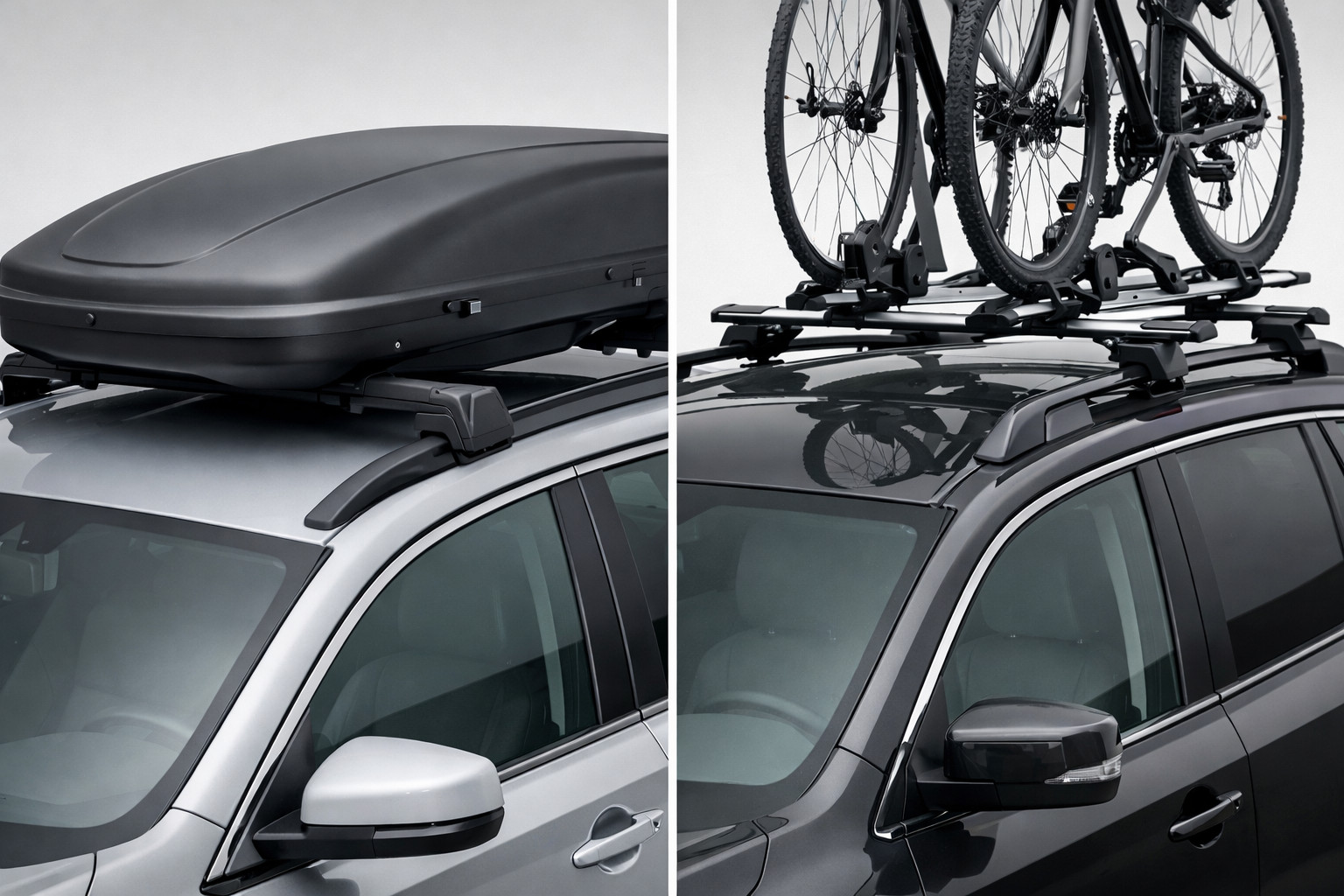
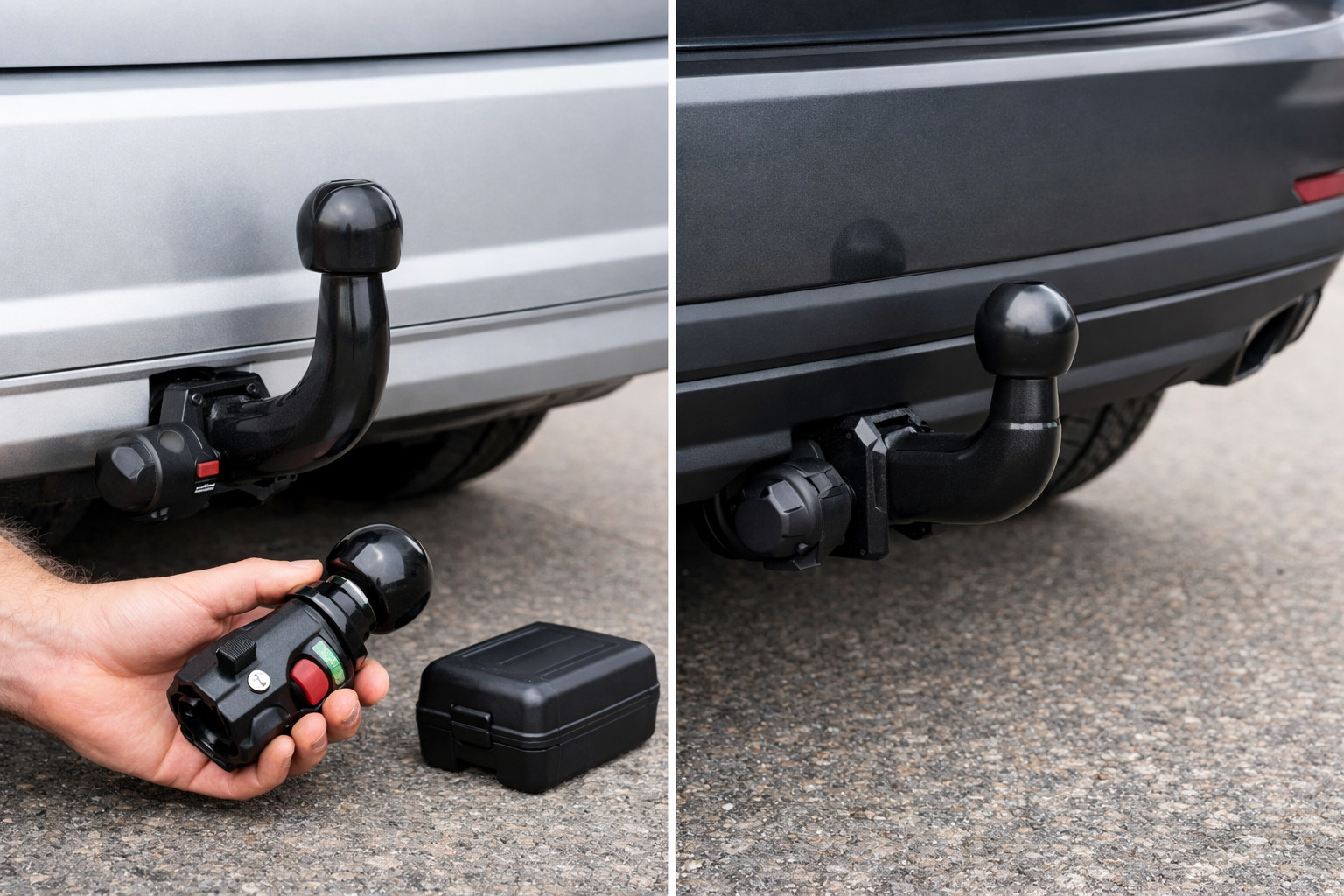
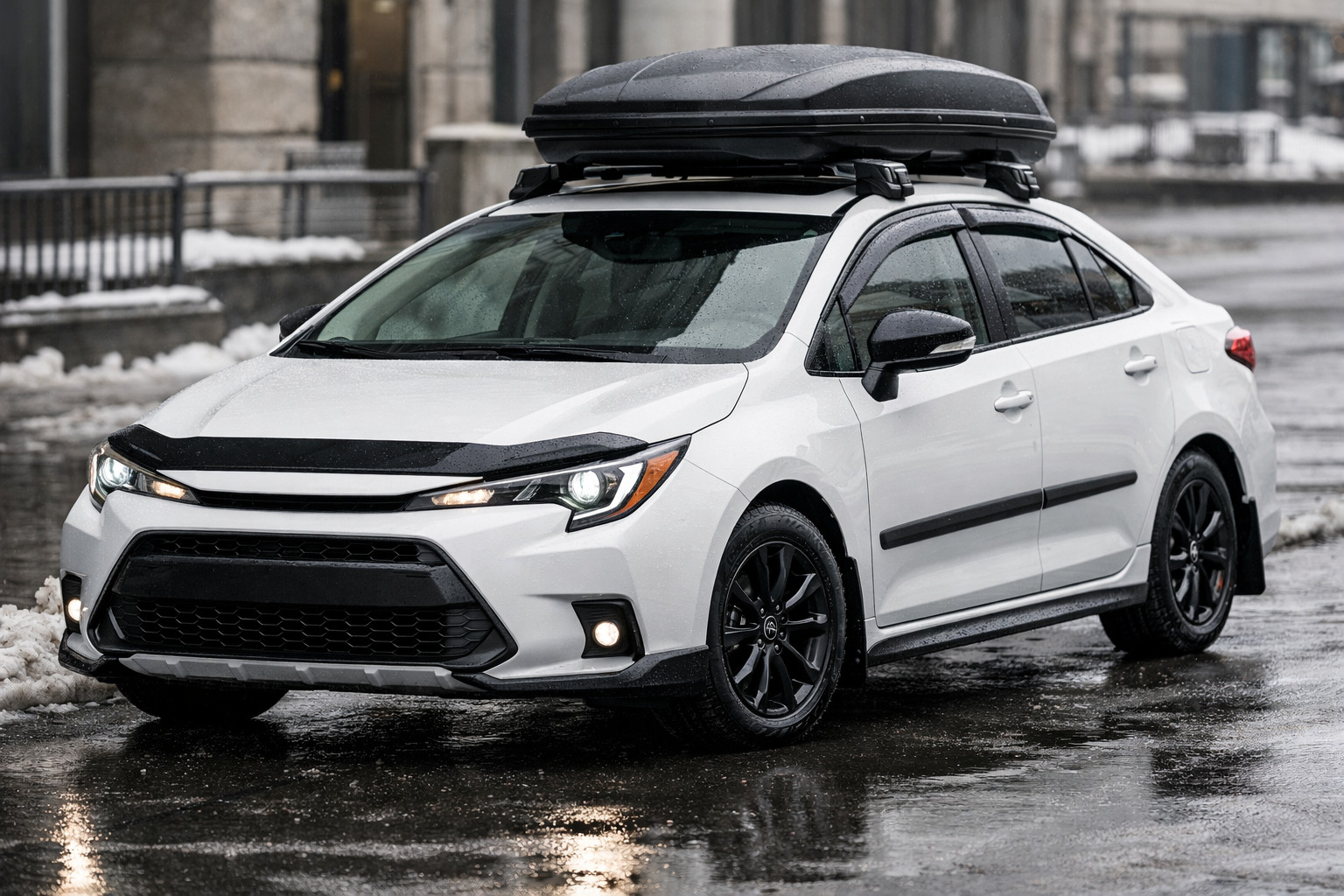
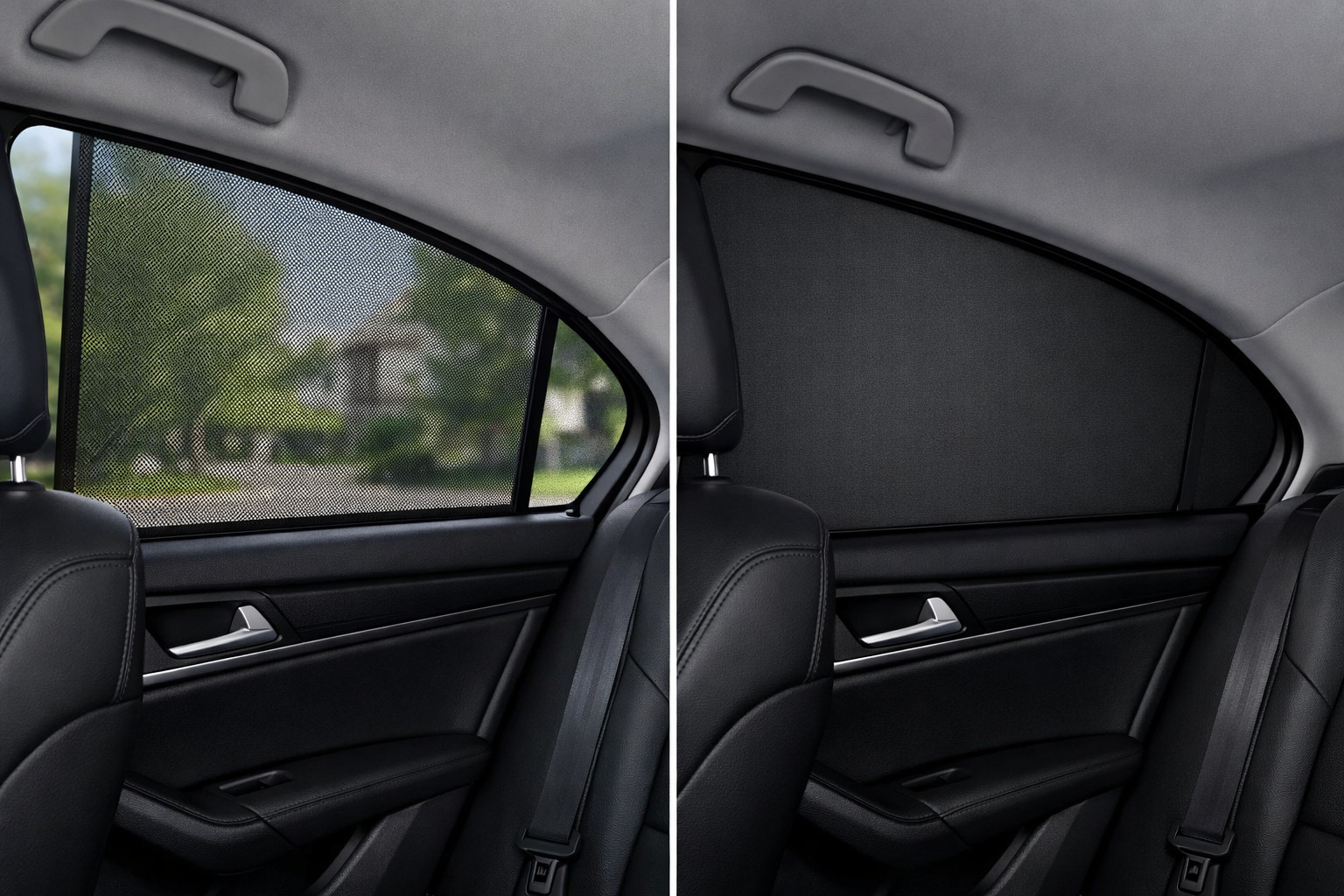
For Jogger, the smartest tuning isn’t decorative—it’s practical. If you’re looking at the updated Jogger as a family car, the first things that usually make sense are items that protect the cabin and trunk from dirt, moisture, and scratches every day.
Accessories like these match the model’s character best: they don’t disguise its simplicity, they reinforce its main trump card—everyday convenience.
Dacia Jogger after the first-generation update is an honest family car for those who care about space, functionality, ground clearance, and reasonable running costs. It doesn’t try to look more expensive than it is, but it does its job well as an all-purpose everyday vehicle.
If you need practical transport for family, trips, and stuff, Jogger makes sense. If your priority is quietness, power, and rich equipment, it’s better to look at a higher class. This material is based on real selection experience, practical know-how, and real usage scenarios—exactly the context in which Jogger’s strengths show best.
| ✔ | A lot of interior and trunk space for its class. In the 5-seat version, the trunk is large, and with the seats folded, the car becomes very roomy for luggage and trips to the countryside or on vacation. |
| ✔ | There is a choice between 5- and 7-seat configurations. The third row is useful for children or short trips if you occasionally need to carry more passengers. |
| ✔ | 200 mm of ground clearance helps in everyday use. The car feels more composed on rough asphalt, in courtyards, and on dirt roads. |
| ✔ | Simple construction and a logical cabin are convenient for family use. The high seating position, good visibility, and convenient door openings make it easier to get children in and install seats. |
| ✔ | The ECO-G version is cost-effective for high mileage, while the Hybrid 140 is better suited for city driving. This makes it possible to choose the engine for your usage scenario. |
| ✘ | Weak sound insulation, especially on the highway. At high speeds, road and wind noise are clearly audible. |
| ✘ | The 1.0-liter engines lack dynamic reserves under full load. If you often drive with passengers and luggage, acceleration may feel modest. |
| ✘ | The third row does not replace a full-size minivan. With adult passengers and luggage, compromises are necessary. |
| ✘ | There is no all-wheel drive. For more difficult road conditions, this is a limitation, despite the high ground clearance. |
| ✘ | The set of safety systems and electronic assistants is more modest than in more expensive rivals. This may be a downside for those who expect more modern equipment. |
Shipping to EU
Wholesale and retail
Own warehouse
Опис продукту
Подарунки не надаються при оформленні покупки у кредит під 0,01% або при покупці частинами.