
































































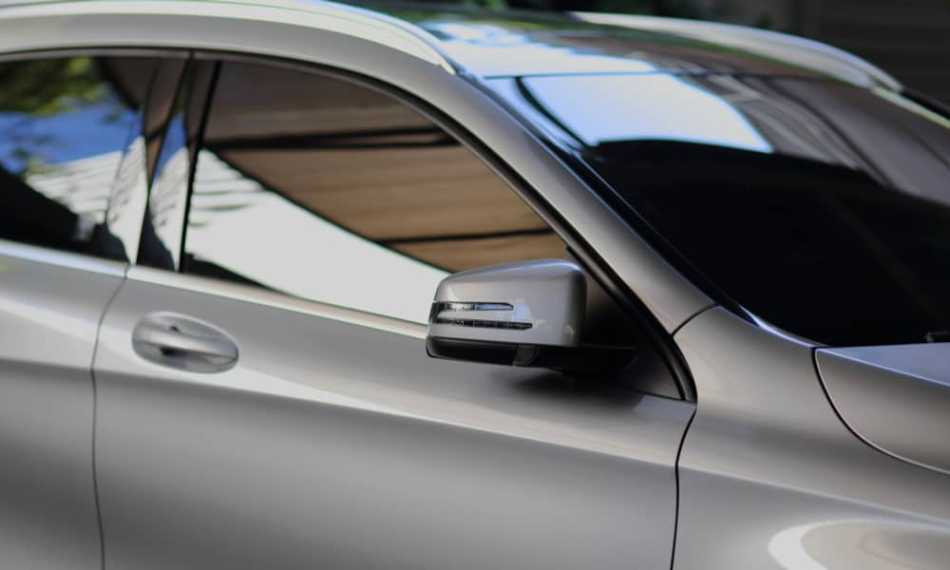
This publication examines in detail the protective and aesthetic aspects of auto glass tinting. The article encourages an informed choice, taking into account the needs of the driver, local laws and the professional aspects of tint film installation.
 Author: Radomskyi Maksym Vasyliovych
Car window tinting is a popular upgrade that adds style and functionality to your vehicle. However, before making a decision, it is important to understand the benefits and risks involved. In this article, we will look at the pros and cons of car glass tinting. You can also improve your car with tuning accessories, a large assortment of which is available in our online store.
Advantages of tinting
Advantages of tinted glass:
- UV Protection: Tinting film can block up to 99% of harmful UV rays, helping to prevent premature aging of the car's interior and reduce the risk of fading.
- Privacy and security: Tinted glass provides added privacy for you and your passengers, and can also prevent theft by making the inside of the car less visible.
- Heat reduction: Tinting film is able to reduce the penetration of solar heat into the car interior, which makes driving more comfortable, especially in hot weather.
- Anti-Glare: Tinted glass helps reduce glare from the sun's rays and the headlights of other cars, improving visibility for the driver.
Disadvantages of tinting
- Limitation of visibility at night: Dark glass can reduce visibility, especially at night, which can be a potential source of danger.
- Laws and Penalties: Different regions and countries may have laws governing tinted glass. Violation of these laws can result in fines and even having to remove the tinting film.
- The need for quality installation: Poor installation of tinted film can lead to bubbles, peeling or even poor visibility, so it is important to choose professionals.
Conclusion
In summary, car window tinting has its advantages and disadvantages. The decision should be based on your needs, local laws and willingness to follow professional installation recommendations.
This material was prepared using AI tools for topic research, structuring and initial draft creation. Fact-checking, editing, expert review and final approval were performed by Maksym Vasyliovych Radomskyi.