

How to Check Your Electric Car Battery Health

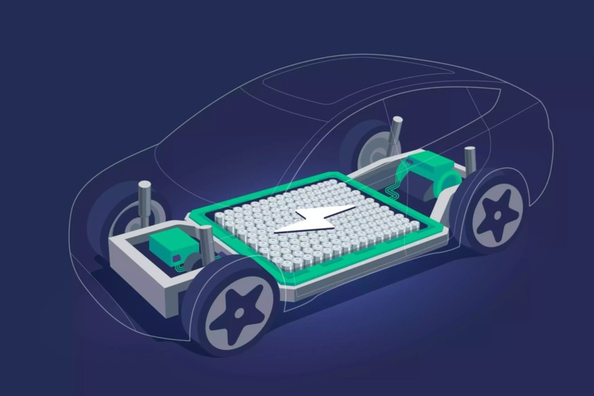
The battery — the heart of an electric vehicle, determines its range and reliability. Over time, the battery capacity decreases, affecting performance. Regular battery checks help detect issues early and extend its lifespan. This article explains how to assess the condition of an EV battery and what to pay attention to. You can also upgrade your vehicle and enhance its appearance using tuning accessories, available in a wide selection in our online store.
Why is it important to check the battery?
The battery condition affects key aspects:
- Range: Reduced capacity shortens the distance per charge.
- Safety: A faulty battery can cause malfunctions or overheating.
- Repair cost: Early detection of issues saves money.
Ways to check battery condition
Use the following methods to evaluate the battery:
- Onboard diagnostics: Modern EVs (e.g., Tesla, Nissan Leaf) display the battery’s condition (SOH — State of Health) on the dashboard or in the app.
- Range check: Compare the current full-charge range with factory data.
- Diagnostic equipment: Service centers use scanners to analyze voltage, temperature, and cell degradation.
- Charging test: Measure the full charging time — a significant change indicates wear.
- Visual inspection: Check the battery casing for leaks or damage (by professionals only).
Practical tips
- Perform diagnostics every 6–12 months or every 20–30 thousand km.
- Contact certified service centers equipped for your model.
- Avoid frequent deep discharges to preserve capacity.
- Check the maintenance history when buying a used EV.
- Use apps (e.g., Leaf Spy for Nissan) for monitoring.
Regular EV battery checks ensure reliability and cost efficiency. Timely diagnostics and proper use help maintain performance for many years.