
18.11.2025
266
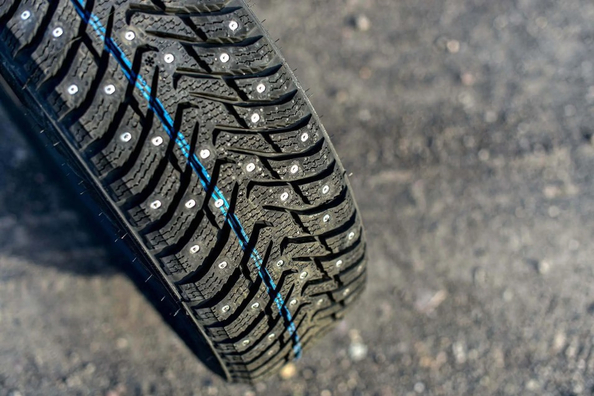
Studded tires — a popular choice for winter driving, especially in icy and snowy conditions. However, their use is controversial due to specific operating features and restrictions. In this article, we’ll look at the pros and cons of studded tires to help you decide whether to install them. You can also enhance your car’s appearance and make it more stylish by using tuning accessories, widely available in our online store.
Studded tires are equipped with metal studs that provide grip on icy roads. They are suitable for harsh winters but not ideal for all conditions.
Studded tires offer several advantages:
Studded tires also have drawbacks:
Studded tires are ideal for drivers in regions with harsh winters, lots of ice, and snow. For mild winters or urban conditions with cleared roads, friction (non-studded) tires are a better choice. The decision depends on climate and driving style.
Shipping to EU
Wholesale and retail
Own warehouse
Опис продукту
Подарунки не надаються при оформленні покупки у кредит під 0,01% або при покупці частинами.