 Author: Radomskyi Maksym Vasyliovych
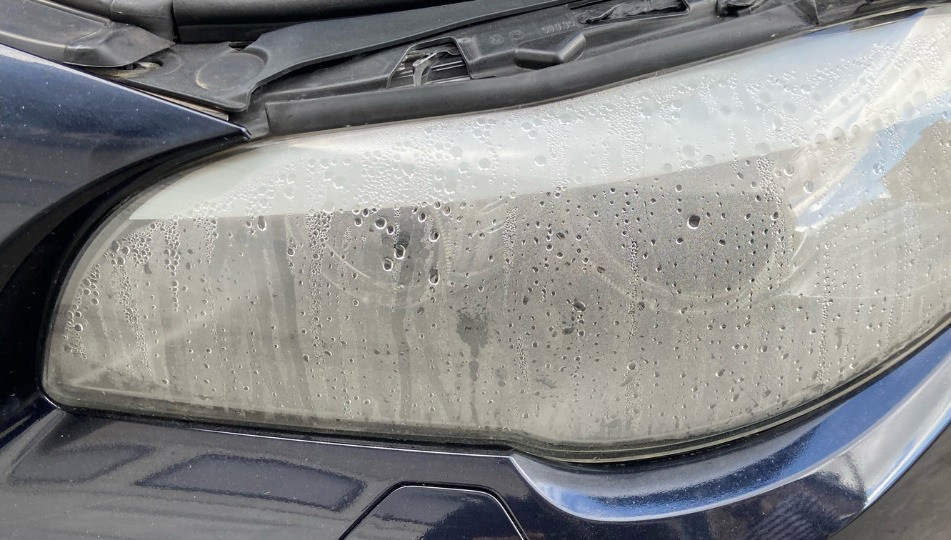
Fogged headlights from the inside — a common issue, especially in autumn, winter, or after rain. The light scatters, visibility decreases, and at night it becomes dangerous. Many drivers think it’s a minor problem, but constant condensation leads to contact corrosion, reflector oxidation, and even lamp failure. Let’s find out why headlights “sweat” and how to fix it without extra costs. You can also significantly enhance your car’s appearance and style by using tuning accessories available in our online store.
Main causes of moisture
Car optics are not completely sealed, as they have ventilation openings (breathers) to equalize pressure. However, excessive moisture appears due to the following factors:
- Seal leakage: Over time, the factory sealant between the lens and the housing can dry out and form microcracks.
- Clogged breathers: If the ventilation channels are blocked with dirt, hot air from the bulbs cannot escape and condenses into moisture when cooling down.
- Cracks in the housing or lens: Even a barely visible “spiderweb” crack from a stone impact can let humid air inside.
- Loose bulb fit: A poorly secured rear cover or a worn bulb gasket often causes the problem.
How to eliminate fogging?
If you notice water droplets inside, don’t ignore this sign:
- Drying: Try removing the rear cover of the headlight and leave the car in a dry, warm garage or gently warm the headlight with a hairdryer (be careful not to melt the plastic).
- Check ventilation: Find the rubber breather tubes and clean them from road dust.
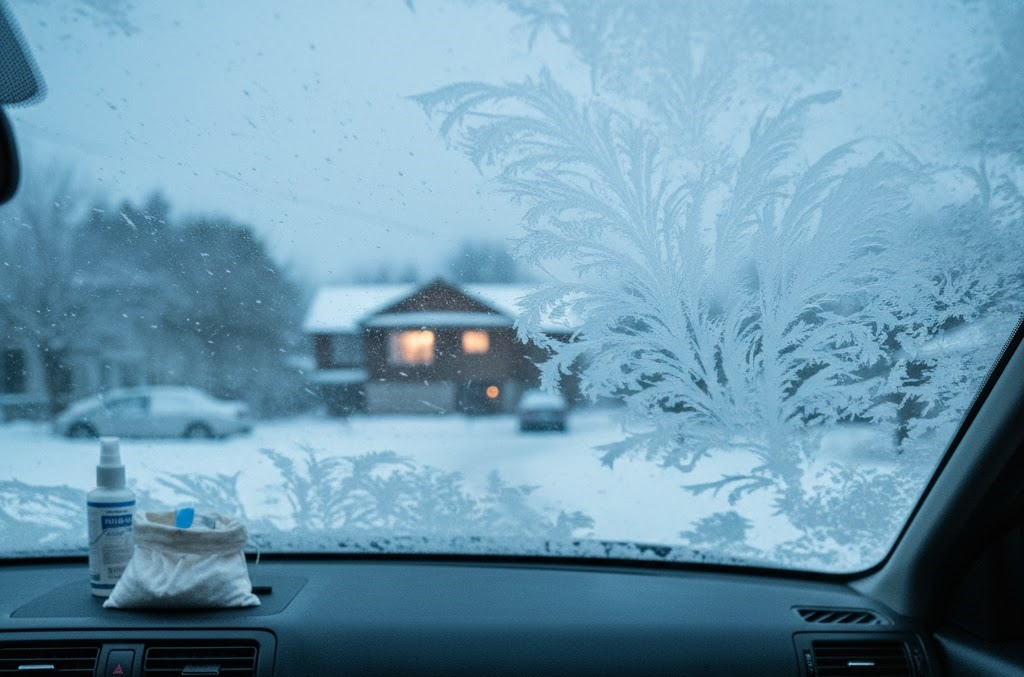
- Use of silica gel: Some drivers place a small moisture-absorbing (silica gel) packet inside the headlight as a temporary solution.
- Sealing: If a damaged seam is found, re-glue the lens using a special automotive sealant.
Remember, properly functioning headlights are key to your safety during night drives and bad weather.