06.11.2025
7298
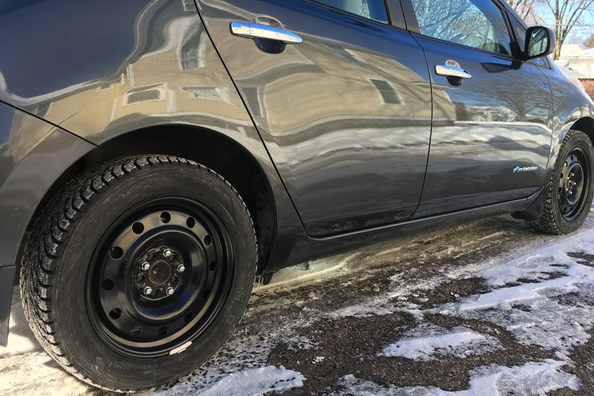

Winter conditions with snow, ice, and road salt create serious challenges for a car, including its wheels. Steel rims, despite the popularity of alloy ones, are often the better choice for winter. In this article, we explain why steel rims are more suitable for the cold season. To make your car look more attractive and stand out in traffic, we recommend using tuning accessories, which are widely available in our product catalog.
Steel rims are made from durable sheet steel, making them heavy but resistant to damage. They are often used as standard on budget cars and for winter driving.
Steel rims offer several advantages in winter conditions:
Despite their advantages, there are also some drawbacks:
In winter, roads are covered with salt, snow, and ice, which accelerates wear. Steel rims handle harsh conditions better, are not afraid of minor damage, and are cheaper to replace. They are ideal for severe winters, especially if you often drive on uneven or snowy roads.
Steel rims are a practical choice for winter, offering reliability and cost efficiency.
Shipping to EU
Wholesale and retail
Own warehouse
Опис продукту
Подарунки не надаються при оформленні покупки у кредит під 0,01% або при покупці частинами.