In winter, a non-working car heater is not only uncomfortable but also a safety risk: fogged windows reduce visibility, and cold can cause colds. In this article, we’ll look at the causes and steps to fix the issue – from simple checks to visiting a mechanic. To make your car more efficient and versatile, we recommend using tuning accessories, a wide range of which you can find in our product catalog.
Main causes of heater failure
The heater can fail for several reasons:
- Low coolant level: Leakage or evaporation leads to engine overheating and heater shutdown.
- Clogged heater radiator: Scale, dirt, or air block circulation.
- Faulty thermostat: Stuck open – the coolant doesn’t heat up.
- Broken fan or resistor: Doesn’t blow or works only at maximum speed.
- Flap problems: In modern cars, they are electronically controlled and may jam.
What to check yourself
Start with simple steps to avoid unnecessary expenses:
- Check the coolant level: Open the hood and inspect the expansion tank. Add antifreeze if necessary (brand according to the car manual).
- Inspect the hoses: Look for leaks or cracks. Start the engine – hoses should heat evenly.
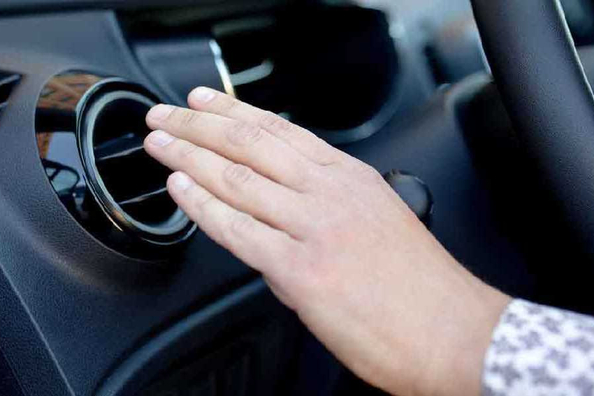
- Turn the heater to maximum: If it blows cold air, check the thermostat (the engine should warm up in 10–15 minutes).
- Check the fuses: In the under-hood or cabin fuse box – see the manual for the diagram.
- Clean the cabin filter: A clogged filter reduces airflow.
When to visit a service center
If the checks didn’t help:
- Scanner diagnostics (errors in flaps or sensors).
- Flushing the heater radiator (with special agents).
- Replacing the thermostat, water pump, or fan motor.
Prevention: Replace the coolant every 2–3 years and clean the cabin filter every 15,000 km. This will extend the heater’s life and save money.