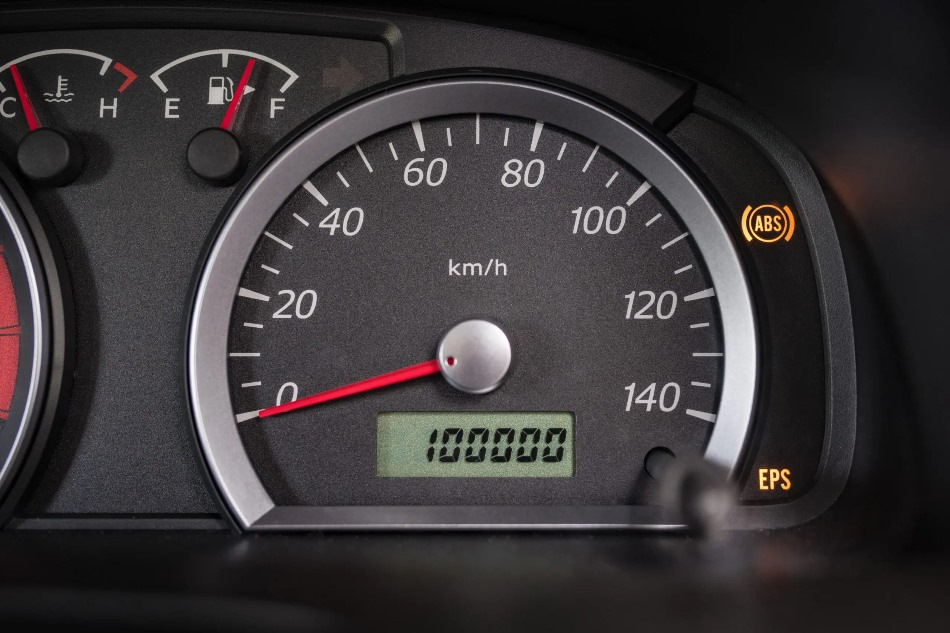


































































The article dispels myths about the short lifespan of electric vehicle traction batteries. It outlines the expected service life, key degradation factors, and practical tips for extending battery longevity.
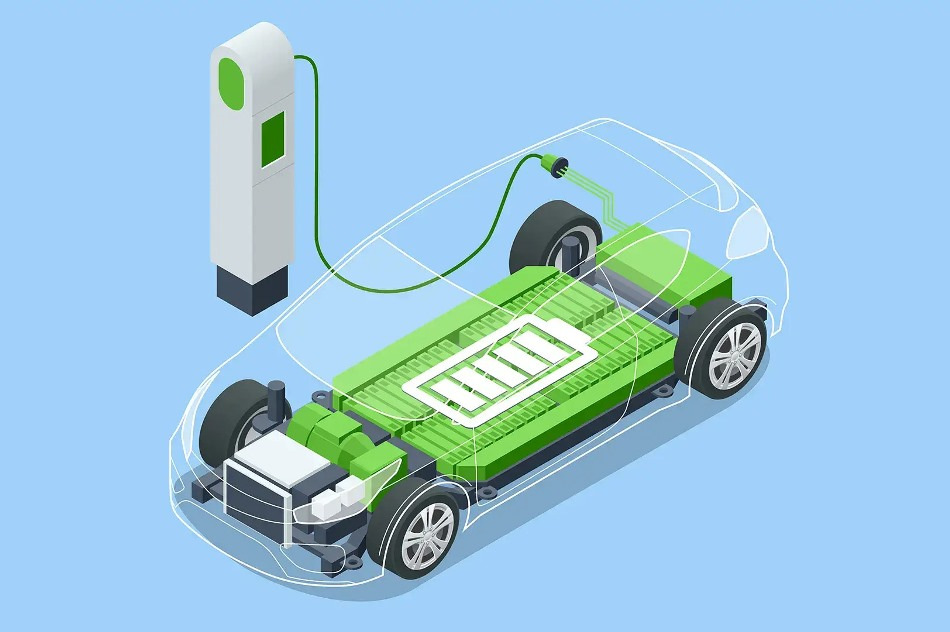
 Author: Radomskyi Maksym Vasyliovych
The battery — the heart of an electric vehicle, determines range and ownership cost. Modern lithium-ion batteries retain 70–80% of their capacity after 8–15 years, but lifespan depends on the model and operating conditions. While maintaining technical condition, don't forget about appearance: to make your car look more presentable and stylish, we recommend using tuning accessories, widely available in our online store.
Manufacturer warranties
- Standard warranty: Most major brands (Tesla, Nissan, Hyundai, etc.) offer a warranty of 8 years or 160,000–200,000 km mileage.
- Warranty condition: The warranty usually covers maintaining 70–80% of the original capacity. This means that even after the warranty period, the battery remains fully functional, only with slightly reduced range.
Factors that shorten battery life
- Temperature: at +35 °C degradation is twice as fast as at +20 °C.
- Fast charging: frequent DC sessions >50 kW reduce lifespan by 15–20%.
- Deep discharge: below 10% — accelerates wear by 30%.
- Mileage: 500,000 km — realistic limit for LFP batteries (BYD, Tesla Model 3 SR).
How to extend battery life
- Charge up to 80% for daily use.
- Use pre-conditioning in winter.
- Avoid parking under the sun in summer.
- Update software — manufacturers improve BMS.
In fact, 90% of batteries outlast the body: replacement costs from $5–7k (2025), but the modular design allows replacing only degraded cells.
This material was prepared using AI tools for topic research, structuring and initial draft creation. Fact-checking, editing, expert review and final approval were performed by Maksym Vasyliovych Radomskyi.