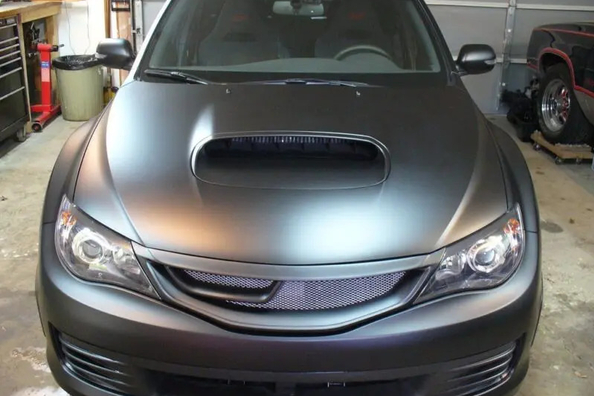
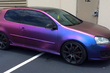
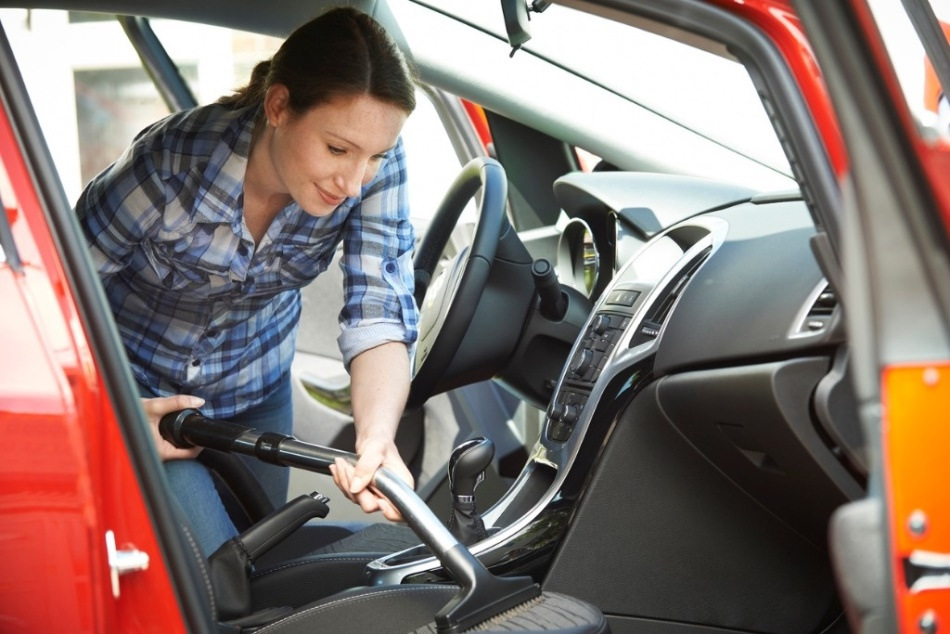
Liquid rubber (Plasti Dip, Rubber Paint, FlexiDip) allows you to completely change your car’s color in 2–3 days without damaging the factory paint. It’s chosen by 15% of owners who want a bright custom look and tuning without risking the original finish. But is it the perfect solution? Let’s find out.
Main advantages of liquid rubber
- Reversible: Peels off in one layer like a film – the factory clear coat remains untouched.
- Protection: A 100–300 µm layer hides small chips and scratches.
- Price: Full body coating is 4–6 times cheaper than vinyl wrap and 10 times cheaper than repainting.
- Speed: 4–6 coats plus drying – ready by the weekend.
- Matte and tactile effect that regular paint can’t provide.
Drawbacks professionals warn about
- Service life 2–4 years (winter chemicals and brushes accelerate wear).
- Requires perfect preparation: Grease and silicone are the main enemies of adhesion.
- Sensitive to gasoline and harsh chemicals: Spilled solvent at a car wash can leave a “bald spot.”
- Classic matte or satin finish – you won’t get the deep gloss of lacquer or ceramic coating.
- Difficult to touch up locally – only full repainting of the part is possible.
When liquid rubber is the best choice
- You want a bright color (neon, chameleon) for 1–3 seasons.
- The car is leased or financed – the factory paint must remain intact.
- The budget is limited, but you want a “new color” right now.
- You plan to sell in a couple of years – peel off the rubber and the car is “stock” again.
Conclusion: Liquid rubber is a great temporary protective custom solution, but not a replacement for full repainting. If you’re ready to refresh every 3 years – go for it.