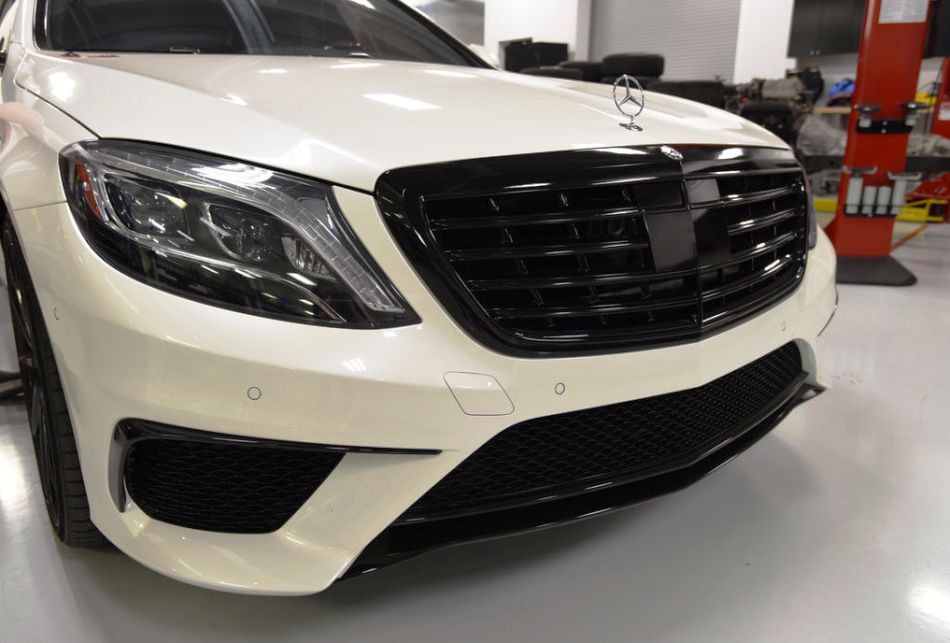
A brief overview of the anti-chrome trend: why drivers darken chrome parts, which elements are usually treated, and how. Shows that anti-chrome is an affordable and quick way to refresh a car’s appearance.


 Author: Radomskyi Maksym Vasyliovych
Chrome details were once considered a sign of premium quality, but today one of the most popular tuning options is a pure, deep black. Anti-chrome transforms an ordinary car into an aggressive “night” version in just one or two days and a few hundred euros. From old BMW and Mercedes to new Tesla and Toyota – the effect is always impressive.
Why anti-chrome is gaining popularity
- Refreshes the car’s appearance. Darkening decorative elements visually “rejuvenates” the car and makes its design more up-to-date.
- Streamlines body lines. Black details integrate better into the silhouette and reduce unwanted reflections.
- Matches modern trends. Tinting, dark wheels, and black accents create a unified style.
- Enhances visual value. Even budget models look neater and more refined.
Most commonly darkened elements
- grille and decorative inserts in the bumper;
- window frames and door moldings;
- mirror housings and door handles;
- headlight, taillight, and emblem trims;
- decorative sill covers or bumper “lips.”
Main methods of performing anti-chrome
- Vinyl film. A quick, affordable, and fully reversible method. Suitable for most elements.
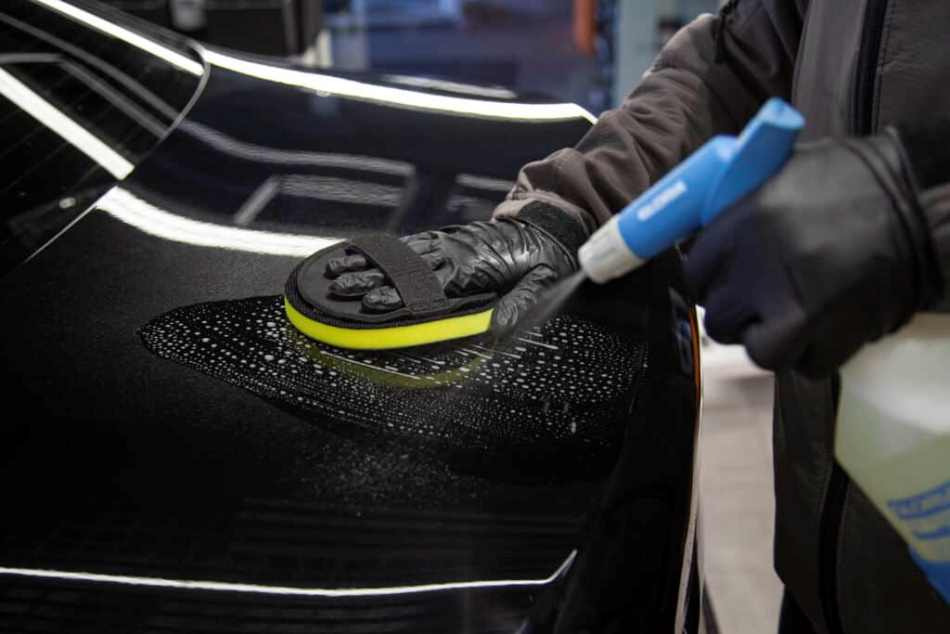
- Painting in glossy or matte black. Provides a more “factory-like” look and high durability with proper surface preparation.
- Ready-made overlays or inserts. Used on models that have factory kits or body kits.
- Replacing parts with carbon or ABS plastic components. The most durable option with maximum resistance to external factors.
Conclusion
Anti-chrome is a relatively inexpensive and advanced way to refresh a car’s exterior without major structural changes. With the right materials and quality workmanship, darkening creates a more cohesive and modern look while remaining safe and long-lasting.
This material was prepared using AI tools for topic research, structuring and initial draft creation. Fact-checking, editing, expert review and final approval were performed by Maksym Vasyliovych Radomskyi.