12.12.2025
294




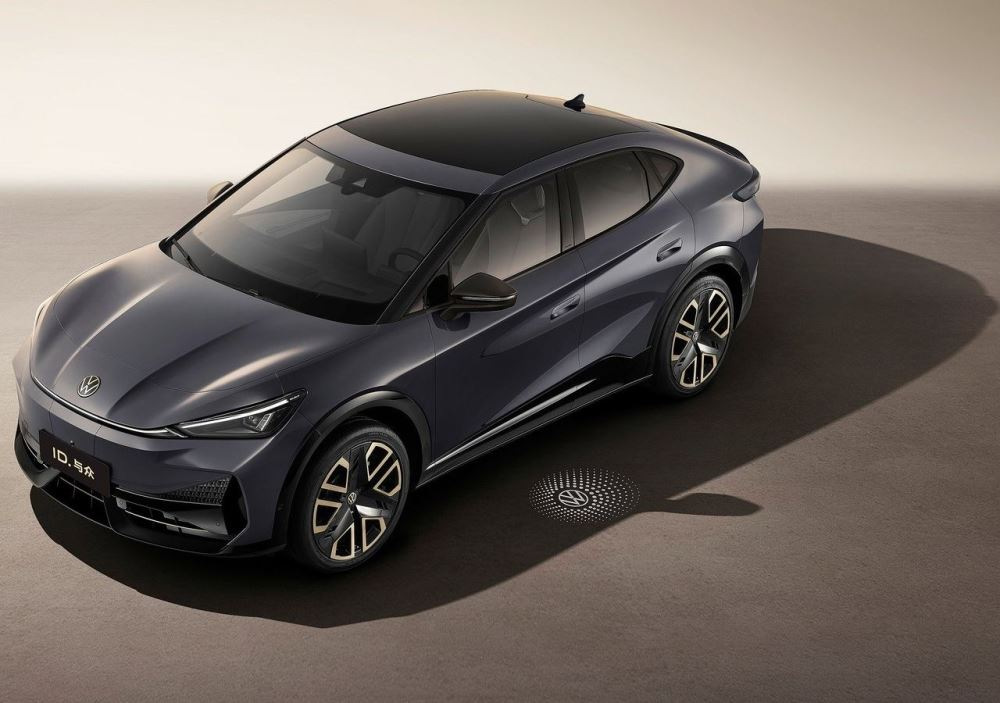
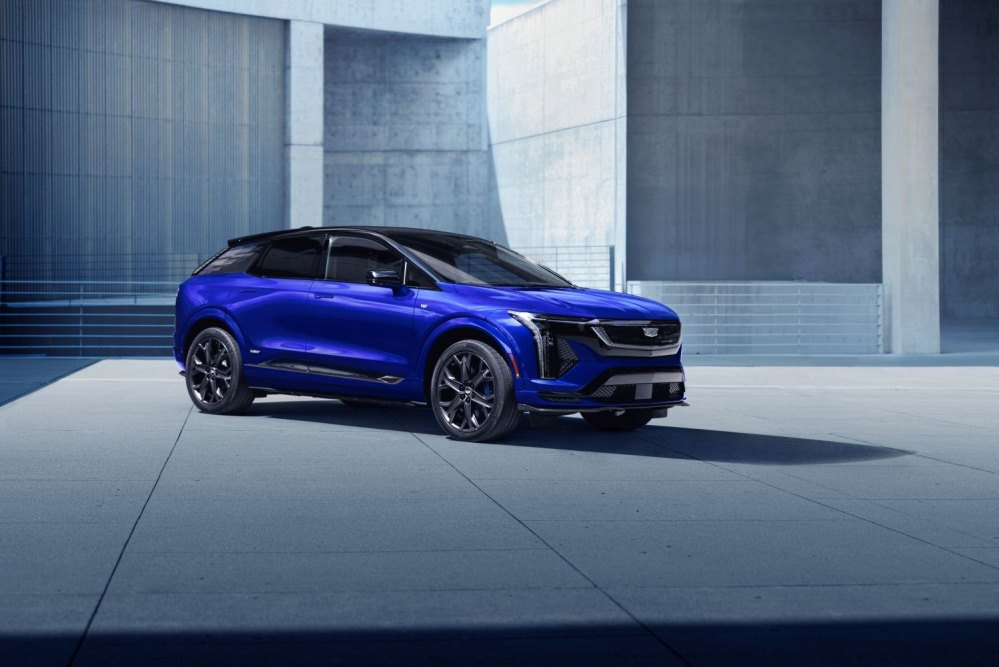
The liftback is a body style that combines the elegance of a sedan with the practicality of a hatchback: the rear door lifts together with the glass, revealing a large opening. In this article, we’ll look at the features, advantages, and disadvantages of a liftback for everyday use. You can upgrade your car and improve its practicality using tuning accessories, a wide selection of which can be found in our product catalog.
The liftback differs from its counterparts:
Versatility is its main advantage:
Not without compromises:
Young families, city drivers. Ideal for those who value a balance of style and functionality.
The liftback is the golden mean between beauty and convenience, but requires getting used to its features.
Shipping to EU
Wholesale and retail
Own warehouse
Опис продукту
Подарунки не надаються при оформленні покупки у кредит під 0,01% або при покупці частинами.