30.05.2026
806
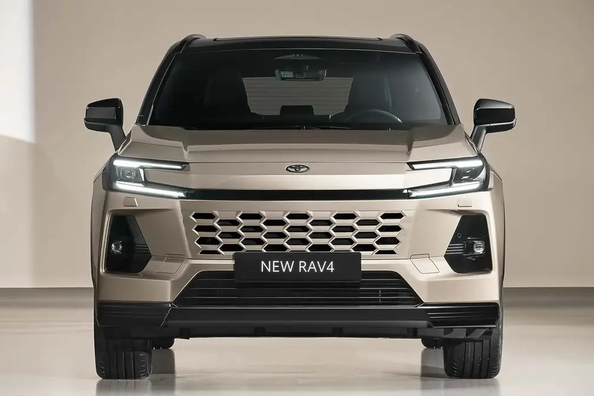
The Toyota RAV4 2026 opens the model’s sixth generation and immediately shifts the focus: for the US market there’s no longer a regular gasoline version—only a hybrid or a plug-in hybrid. In essence it’s still the same family compact crossover, but with deeper electrification, a new electronic architecture, and a wider spread of trims aimed at city driving, highway trips, and light off-road use.
A key nuance is simple: the first official data mostly concerns North America, so fuel consumption, trim structures, drivetrains, and even certain dimensions may vary slightly by market. If you need a practical daily crossover with low consumption, the new RAV4 looks very strong; if you want the simplest possible hardware with no hybrid component, this is no longer your story.
RAV4 remains at the heart of the compact crossover class: it’s neither a niche vehicle nor an “almost SUV,” but a mainstream family car for the city, the highway, vacation trips, and rough roads without taking it to extremes. In 2026 the model became more high-tech, but it didn’t lose the main thing—practicality, a large trunk, and straightforward everyday logic.
The new generation is separated by use scenarios more clearly than before: there are regular road versions, more utilitarian trims for dirt roads and outdoor activities, and a sport-oriented version for those who care more about on-road character. The closest rivals are the Honda CR-V Hybrid, Hyundai Tucson Hybrid, and Kia Sportage Hybrid, but the RAV4 wins with its mix of efficiency, cargo space, and a concept buyers already know.
If you look at the global timeline, the RAV4 is typically divided like this:
The sixth generation officially debuted in May 2026. The evolution here isn’t about changing the RAV4 idea itself, but about bringing it up to a modern standard: more electrification, a stronger safety package, a new infotainment logic, and more precise trim differentiation by usage style.
In the publicly available materials there’s some confusion between kilowatts and horsepower, but the lineup itself is clear. In all cases the base is a 2.5-liter naturally aspirated four-cylinder Atkinson-cycle engine, and the differences come down to the hybrid system type, drivetrain, and total output.
| Version | Powertrain | Power | Transmission | What it means in practice |
|---|---|---|---|---|
| Hybrid | 2.5 L, 4 cylinders, Atkinson cycle | about 226 hp with front-wheel drive or 236 hp with all-wheel drive | electromechanical continuously variable transmission | the sweet spot for those who want low consumption without being tied to charging |
| Plug-in hybrid | 2.5 L, 4 cylinders, Atkinson cycle plus battery | up to 324 hp; electric range up to 80-84 km depending on market | electromechanical continuously variable transmission; charging at 7 or 11 kW, and some versions have DC fast charging | the strongest version for those who actually charge the car at home or at work |
There’s no classic torque-converter automatic here, so the character stays familiar for Toyota hybrids: smooth take-off, quiet city driving at light loads, and a more noticeable engine sound during hard acceleration. If you charge regularly, the plug-in hybrid looks the most interesting; if not, the regular hybrid is more rational and simpler to live with.
The new RAV4 is built on the TNGA-K platform. Dimensionally it’s still a classic compact crossover, but it’s important to look not at a single number, but at the version: different trims vary in length, height, ground clearance, and even suspension character.
| Parameter | Value |
|---|---|
| Wheelbase | 2690 mm |
| Length | 4597-4646 mm depending on version |
| Width | 1854-1880 mm |
| Height | 1684-1755 mm |
| Ground clearance | 191-216 mm |
| Trunk | 1070 L behind the second row; 1994 L with the second row folded |
| Towing | 794-1588 kg depending on version |
For everyday use, two things matter most here. First: the trunk really is large for the class. Second: the RAV4 didn’t become a stiff “sport crossover” by default, but certain versions do have tighter tuning. The off-road-leaning trim offers up to 216 mm of ground clearance and makes more sense on broken roads, while the sport trim sits lower and is aimed at asphalt.
Inside, the RAV4 has taken a step forward primarily on the digital side. Even the base version gets a large 10.5-inch central screen, with 12.9 inches on higher trims, plus a 12.3-inch digital instrument cluster, wireless smartphone connectivity, and a faster software interface. More importantly, Toyota also updated the underlying electronic platform, so the infotainment and driver-assistance logic feels more modern.
On safety, the kit is strong: a new version of Toyota Safety Sense 4.0, 360-degree camera view, traffic-jam assist, lane-change monitoring, front cross-traffic alert with braking, safe-exit assist, and an integrated dashcam. But in practical terms there’s a drawback too: some owners find the menus, user profiles, and the sheer number of warnings overloaded, and the interior materials in expensive versions don’t feel “premium” enough to everyone.
In the city, the new RAV4 plays its main trump card—consumption. For the hybrid, a realistic benchmark depending on version and market is roughly 5.0-6.2 L per 100 km, which is very good for a crossover of this size. The plug-in hybrid, if your daily mileage fits within 80 km and you have an outlet, lets you cover a large share of routine trips without starting the gasoline engine.
Everyday плюses include a large trunk, decent second-row space, the ability to tow a trailer, and easy-to-judge body geometry. On the minus side, not everyone will like the engine sound under hard acceleration, and the ride of some versions may feel a bit firm. Another important point: this is the first year of a new generation, so full long-term reliability stats and typical “known issues” haven’t formed yet.
| Strengths | Weaknesses |
|---|---|
| Low consumption without “slow car” dynamics | The infotainment menus and settings logic won’t click for everyone from day one |
| Large trunk and a very practical interior layout | The interior in expensive versions can feel too simple for the price |
| Strong safety and camera package | Under load, the engine can sound a bit coarse |
| Versions for different scenarios: city, highway, dirt roads | The rear seat isn’t class-leading for legroom |
| The plug-in hybrid is genuinely useful in a daily cycle with charging | Long-term reliability of the sixth generation itself hasn’t yet been proven by time |
From an owner’s standpoint, the strongest point of the new RAV4 is balance. It doesn’t wow with one single feature, but it very rarely falls short in the key everyday disciplines. The main complaints are also typical: a somewhat complicated interface, a not-so-upscale cabin, and a not-very-emotional driving manner.
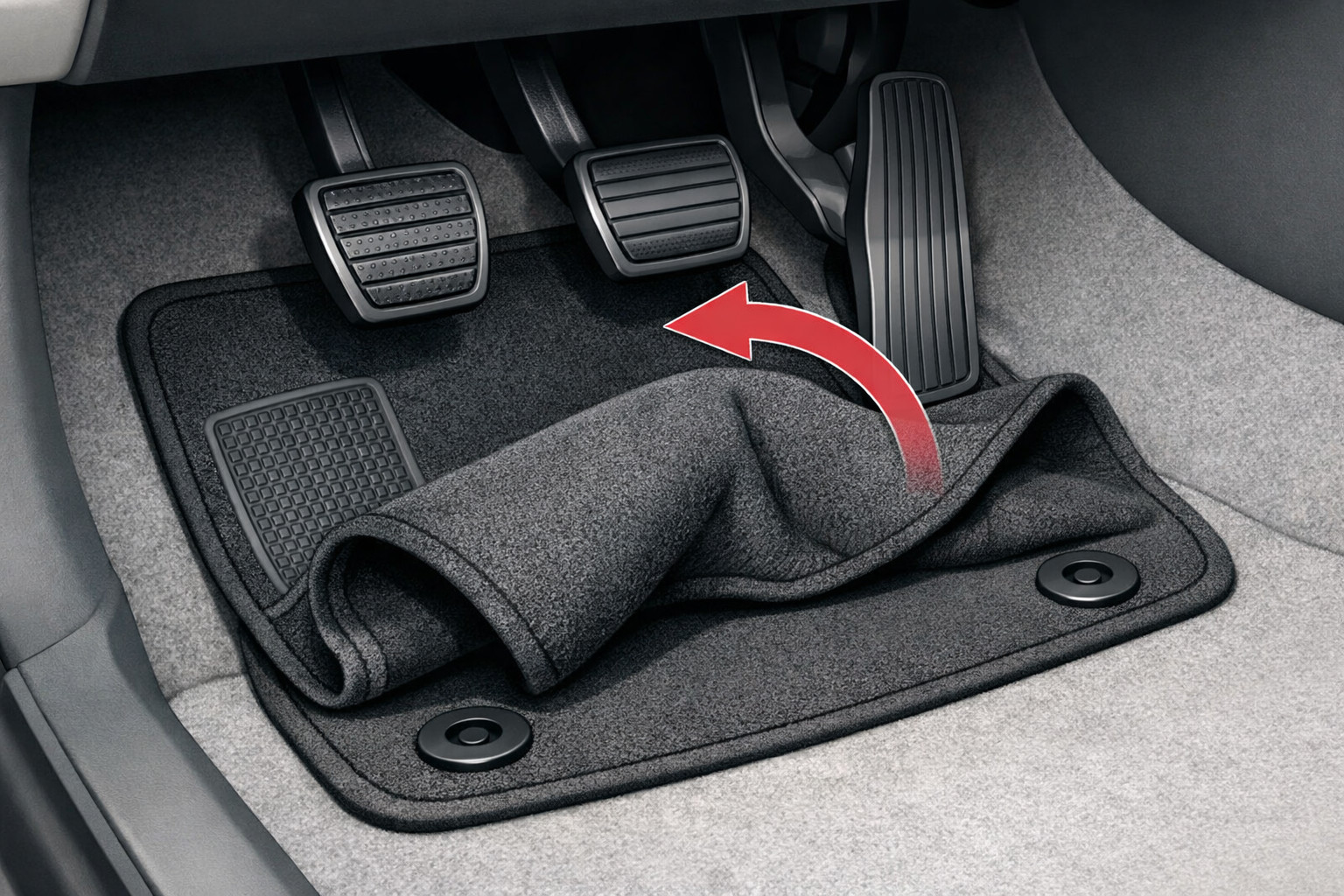
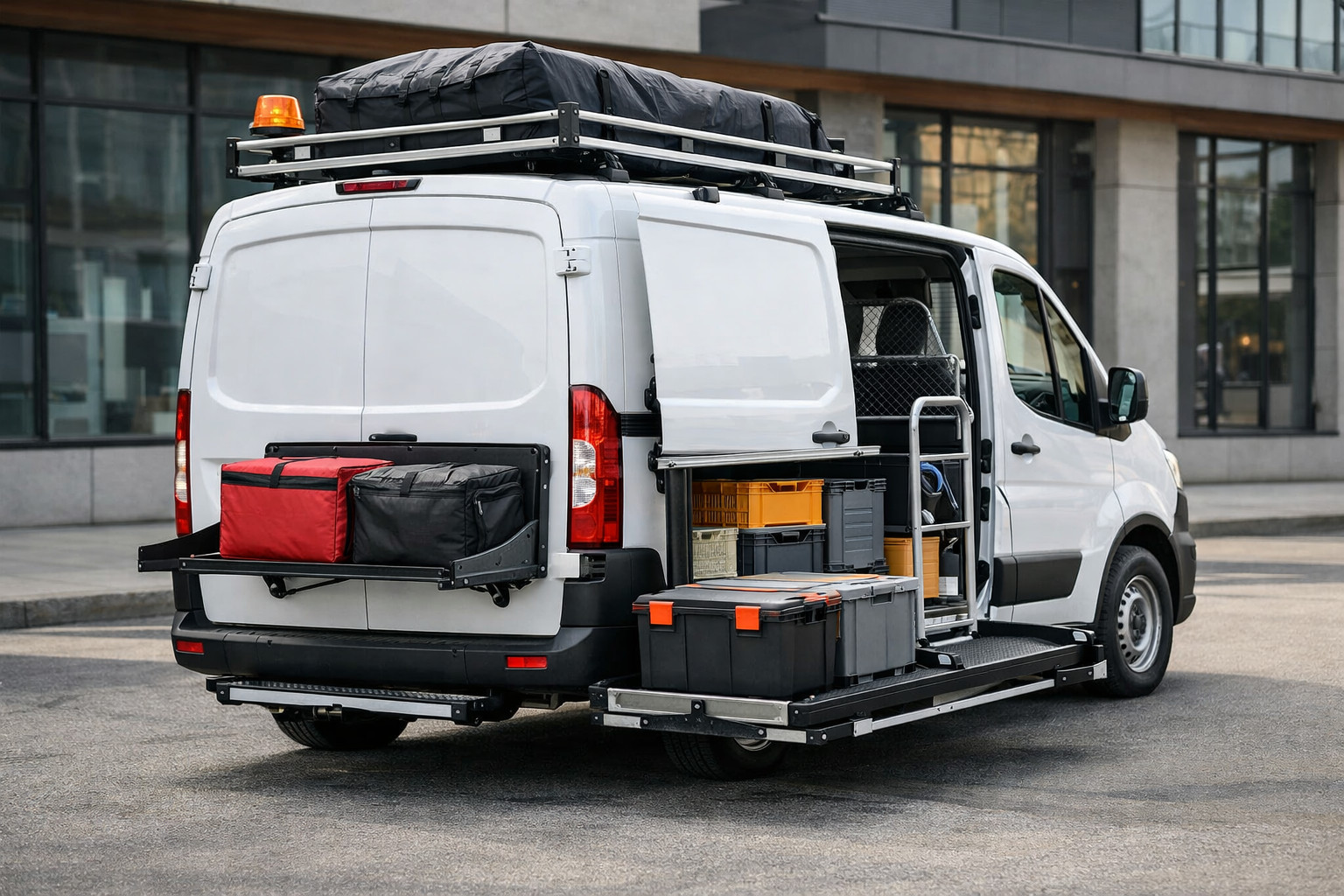
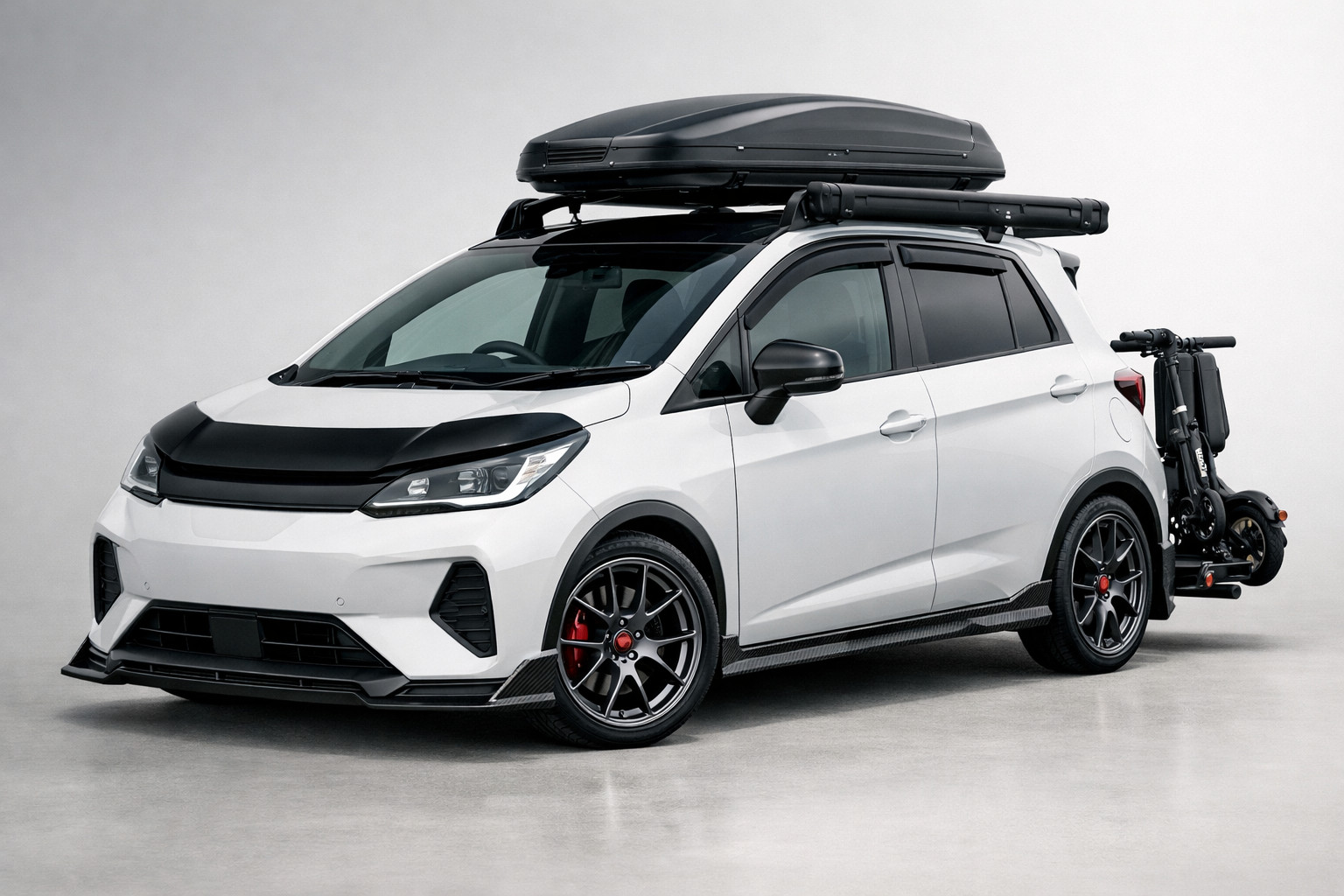
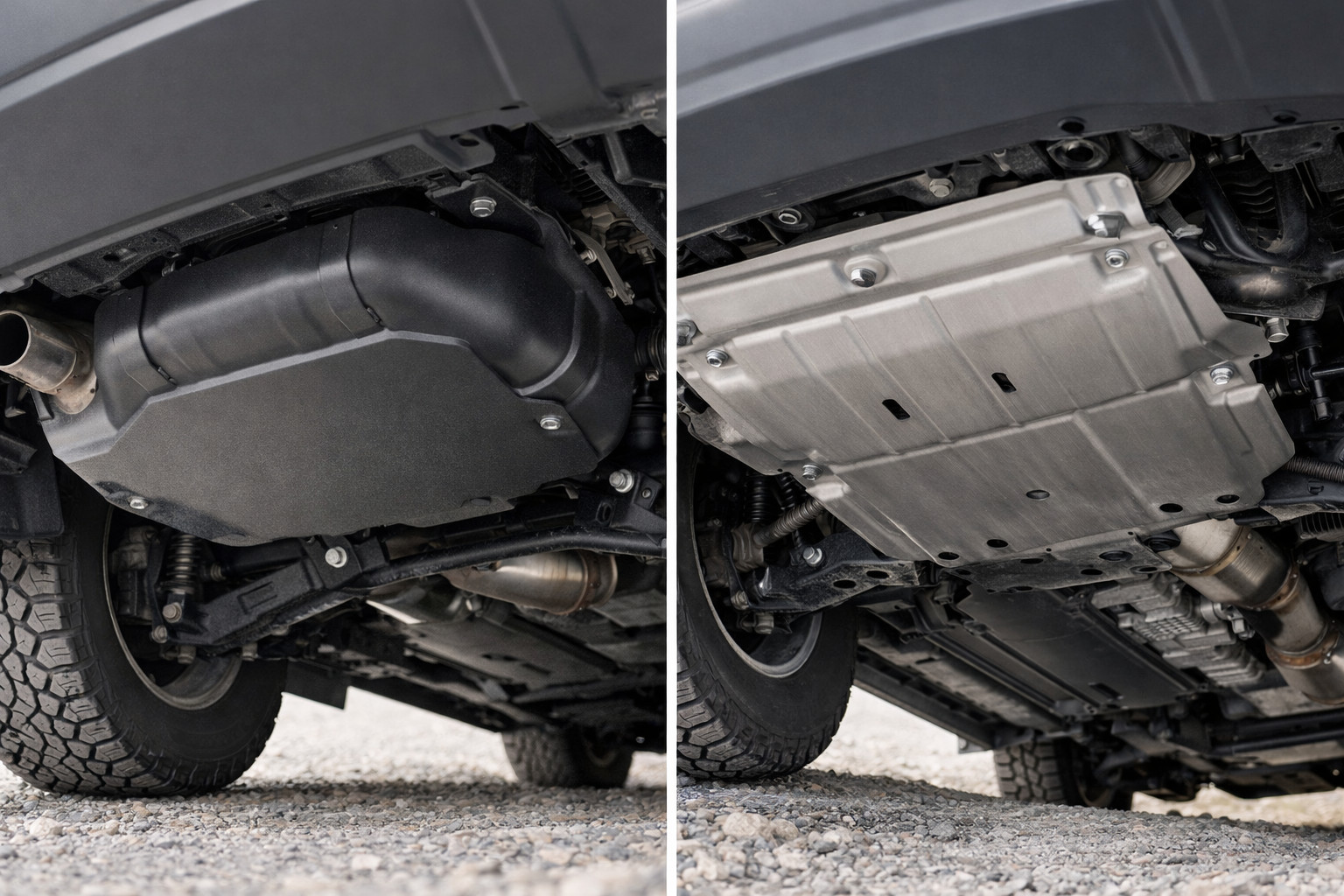
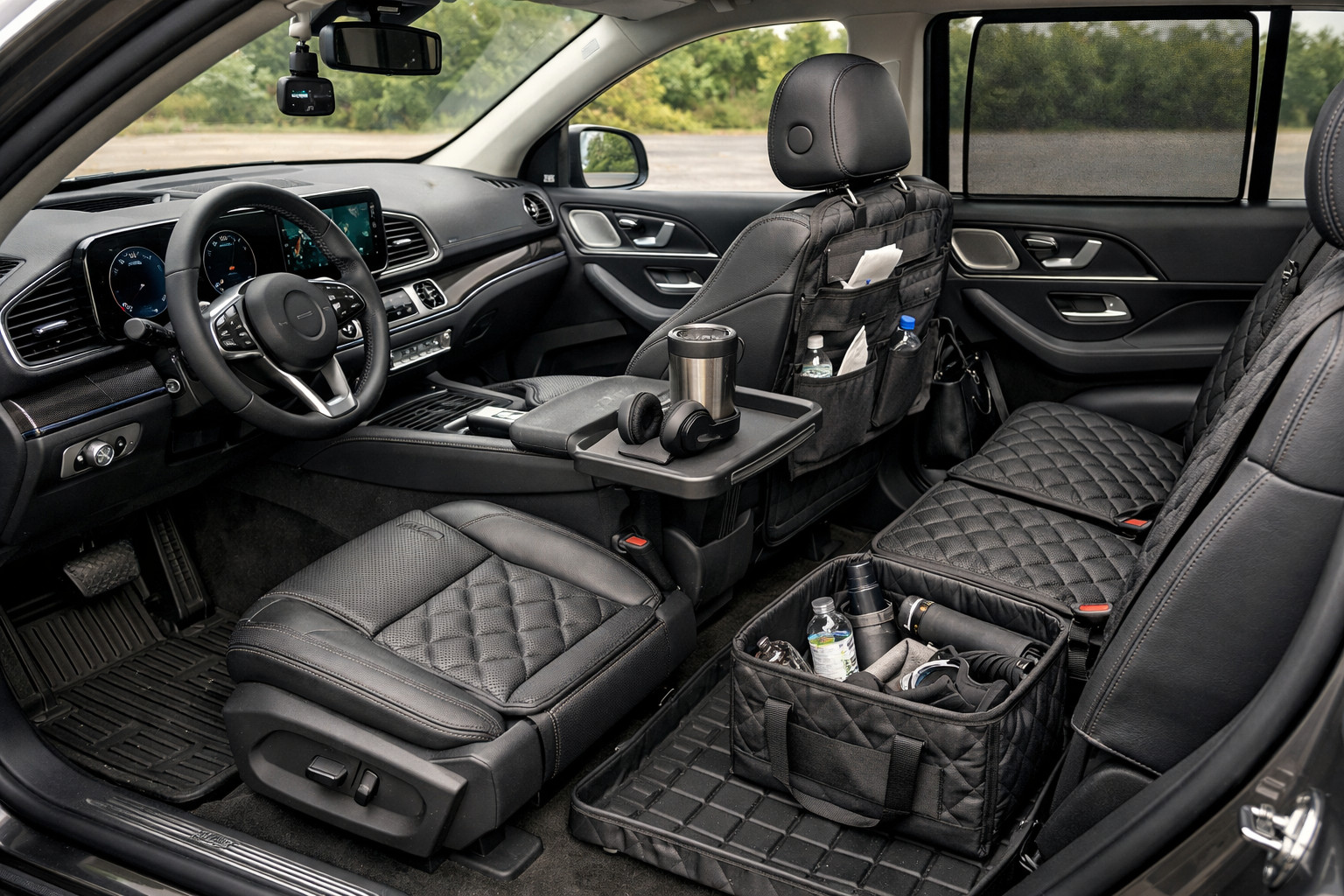
For the RAV4 2026, the sensible path isn’t showy modifications but practical accessories: floor mats, trunk-sill protection, mud flaps, window deflectors, door-sill plates, and cargo-area organization. Because of the new body and changed geometry, you shouldn’t automatically carry over compatibility from the previous generation: for any part you need to verify fitment specifically for the new RAV4.
If you approach it without unnecessary decoration, the first wave of add-ons for a crossover like this is obvious: interior mats, trunk solutions, edge protection, mud flaps, and deflectors. This is the case where precise fitment matters more than a flashy accessory name.
The Toyota RAV4 2026 isn’t a revolution, but a very precise refinement of a formula that already worked: a roomy family crossover became more electrified, more high-tech, and more clearly separated by usage scenarios. It suits best those who want an economical daily car without losing versatility; least of all, those looking for the simplest possible gasoline-only vehicle or who already want years-proven stats specifically for this generation.
The material is based on real selection experience, practice, and real-world use cases: that’s why the emphasis isn’t on marketing slogans, but on powertrains, dimensions, the trunk, everyday comfort, and which accessories for the new RAV4 truly make sense first.
| ✔ | The powertrain lineup is well suited to different scenarios: the regular hybrid delivers low fuel consumption without the need for charging, while the plug-in hybrid offers up to 80-84 km of electric range for daily trips. |
| ✔ | The 2026 RAV4 has a large trunk and a practical cabin layout, which is important for family trips, vacations, and carrying cargo. |
| ✔ | The safety package looks strong: it includes Toyota Safety Sense 4.0, a surround-view camera, lane control, traffic jam assist, and front cross-traffic alert with braking. |
| ✔ | The model has retained its versatility: there are versions for the city, highways, and light off-road roads, and ground clearance in some trims reaches 216 mm. |
| ✔ | In hybrid mode, the car can be economical in everyday use, with an estimated fuel consumption of 5.0-6.2 l/100 km depending on the version and market. |
| ✘ | For the US market, there is no longer a regular gasoline version, so those who want the simplest setup without any hybrid component will not find this model suitable. |
| ✘ | The multimedia interface and menu logic may seem overloaded, especially at the beginning of use. |
| ✘ | During hard acceleration, the engine may sound a bit rough, and in some versions the ride under load feels somewhat stiff. |
| ✘ | The rear row is not class-leading in legroom, so this may be a noticeable limitation for tall passengers. |
Shipping to EU
Wholesale and retail
Own warehouse
Опис продукту
Подарунки не надаються при оформленні покупки у кредит під 0,01% або при покупці частинами.