19.06.2026
256
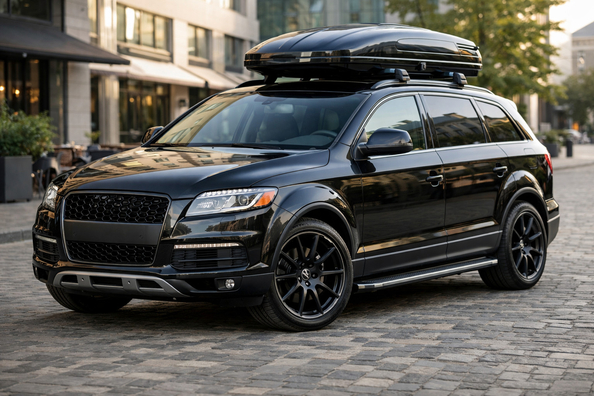
This upgrade plan for the Audi Q7 2005-2015 is for those who use a large crossover mainly in the city, put the family in the car every day, carry groceries, kids’ stuff or work gear, and want to make the vehicle more convenient in everyday life—not just more noticeable on the outside. In short: here you should start not with decorative tuning, but with things that genuinely make getting in, cleaning, and daily use easier.
The Q7 4L is big by itself: over five meters long, a wide vehicle with a high seating position, and on versions with air suspension also with variable ride height. That’s why the difference between a useful upgrade and wasted money is very noticeable here: properly chosen mats or tires work every day, while poorly chosen side steps or oversized wheels can only add inconvenience.
For a city Q7, the upgrade should solve three tasks: reduce dirt and interior wear, make daily entry/exit more straightforward for all passengers, and not ruin how the car behaves over potholes and curbs. This is not an off-road scenario and not a show-car story. What matters more is how the car lives by the entrance, in the yard, in parking lots, and in everyday short trips.
It’s also important not to confuse “a tall vehicle” with “a vehicle that definitely needs side steps.” The feeling of getting in differs between a Q7 with standard suspension and a Q7 with air suspension. If kids, shorter passengers ride regularly, or you often use the roof, the selection logic is one thing. If it’s mostly commuting work-store-school, the focus shifts toward interior protection, tires, and ease of care.
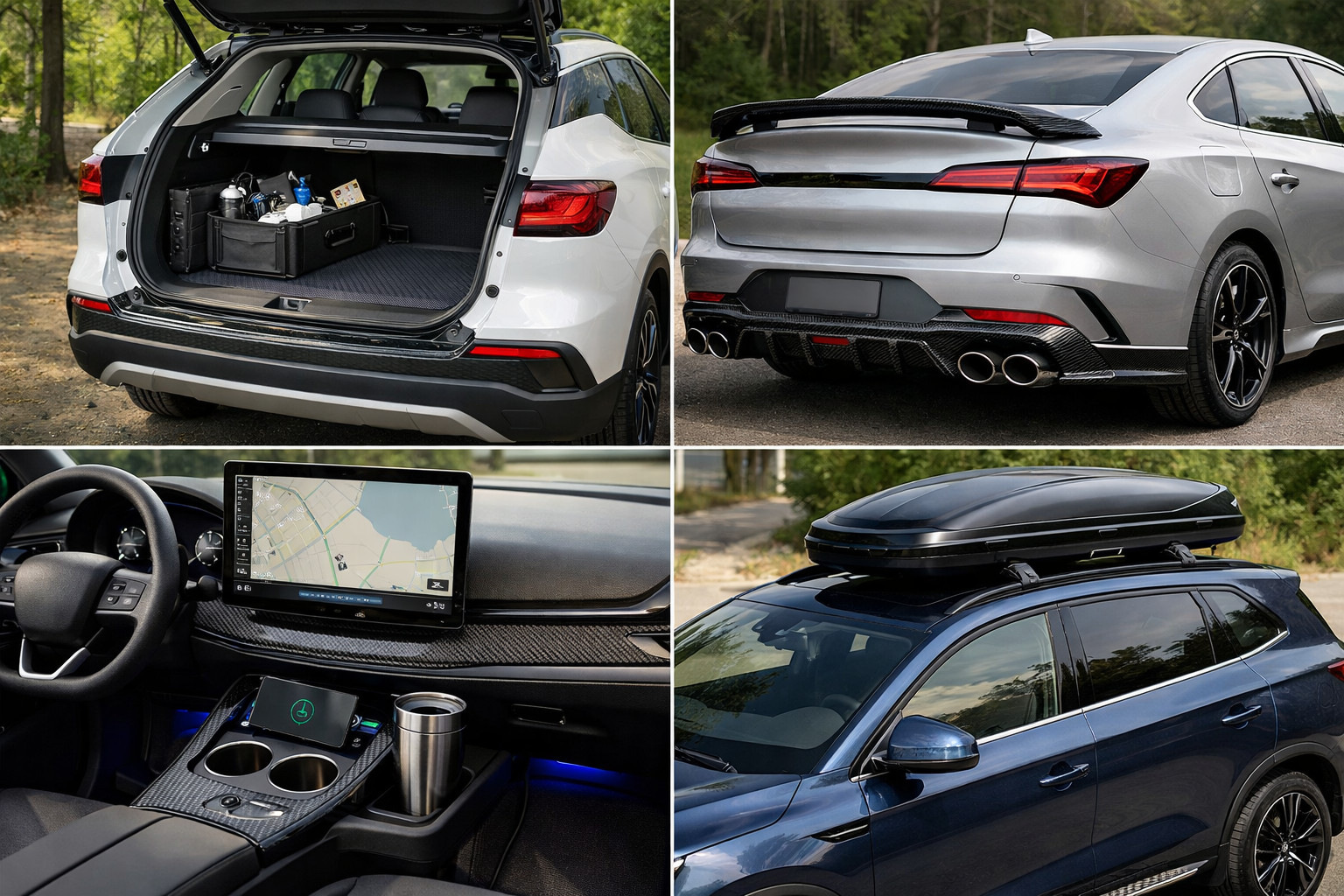
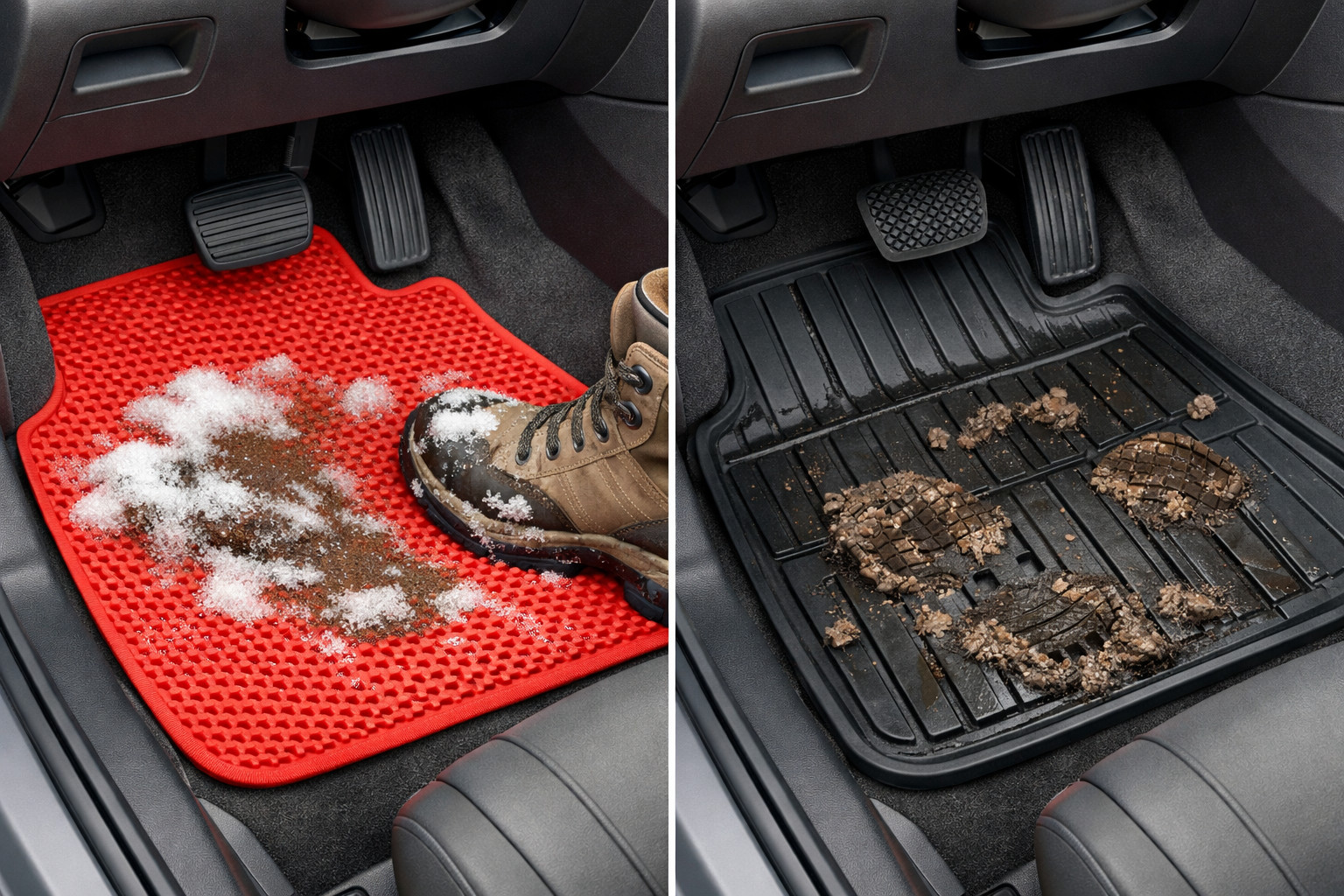
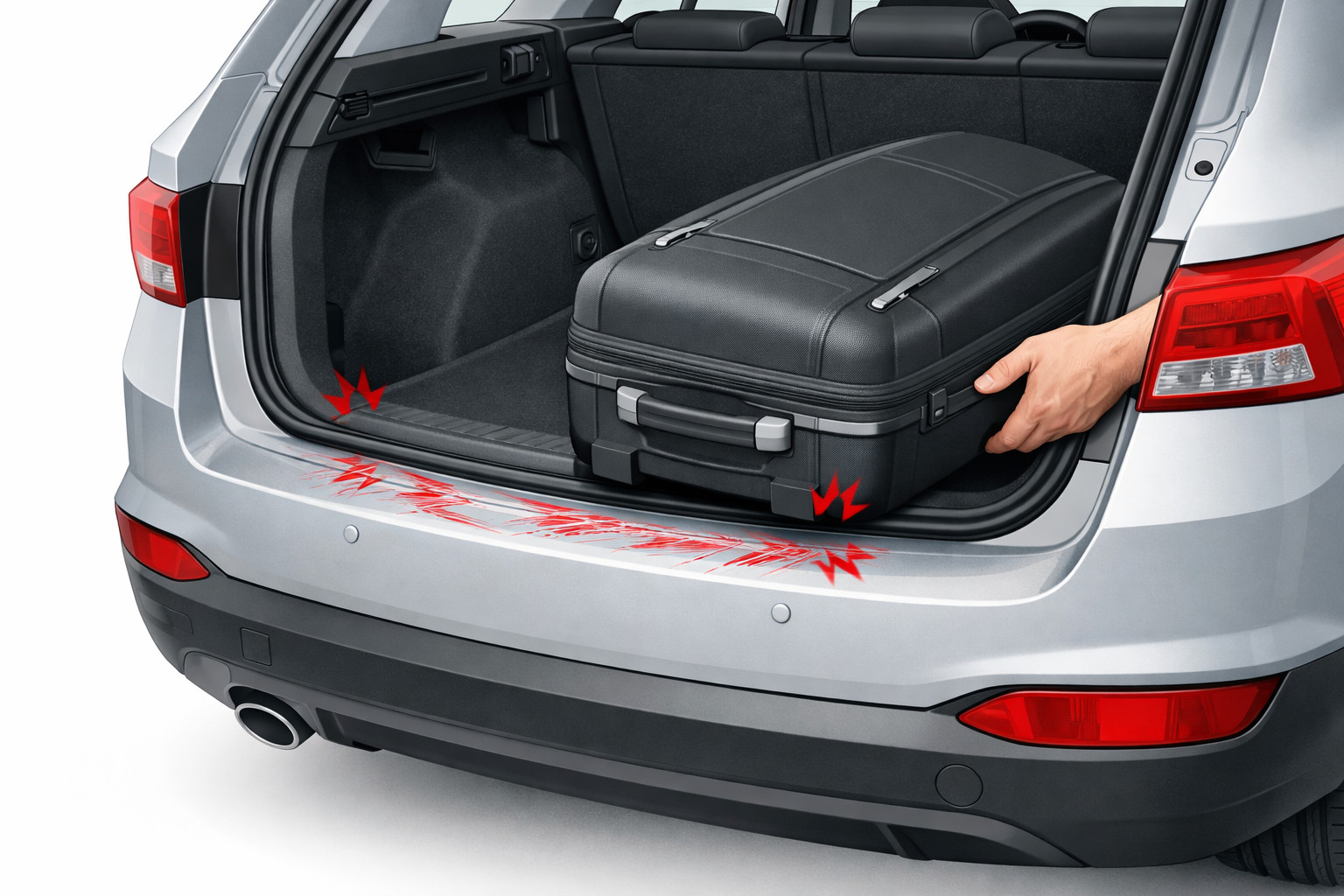
The first priority for a Q7 in the city is to protect the interior and trunk from what builds up every day. That means all-weather floor mats, a trunk liner, and a dash cam. These purchases don’t deliver a wow effect in photos, but they remove constant small annoyances: wet shoes, snow, dirt, bags, a stroller, sports gear, and random scratches in the cargo area.
The second must-do step at the start is to look at tires and wheels for your climate. For city driving, winter, rain, and imperfect asphalt, 19–20 inches by season makes far more sense than 21 inches just for the look. If the car already has air suspension, it’s worth checking its condition before spending money on exterior accessories. If it doesn’t have air suspension, adding it in the first wave of upgrades for this scenario is irrational.
| Upgrade | Why it’s needed | Who it really benefits |
|---|---|---|
| All-weather floor mats | Catch water, dirt, and sand; make cleaning easier | Those who drive around the city daily, carry kids, or often get in with wet shoes |
| Trunk liner | Protects the trunk floor from bags, strollers, gear, and dirt | Family cars; vehicles with active trunk use and frequent seat folding |
| Dash cam | Provides peace of mind in dense city traffic and in parking lots | Those who drive daily in the city and don’t want arguments after minor incidents |
| Seasonal 19–20 inch tires | Handle potholes better; provide calmer everyday use | Those for whom city driving, winter, rain, yards, and imperfect roads matter more than visual impact |
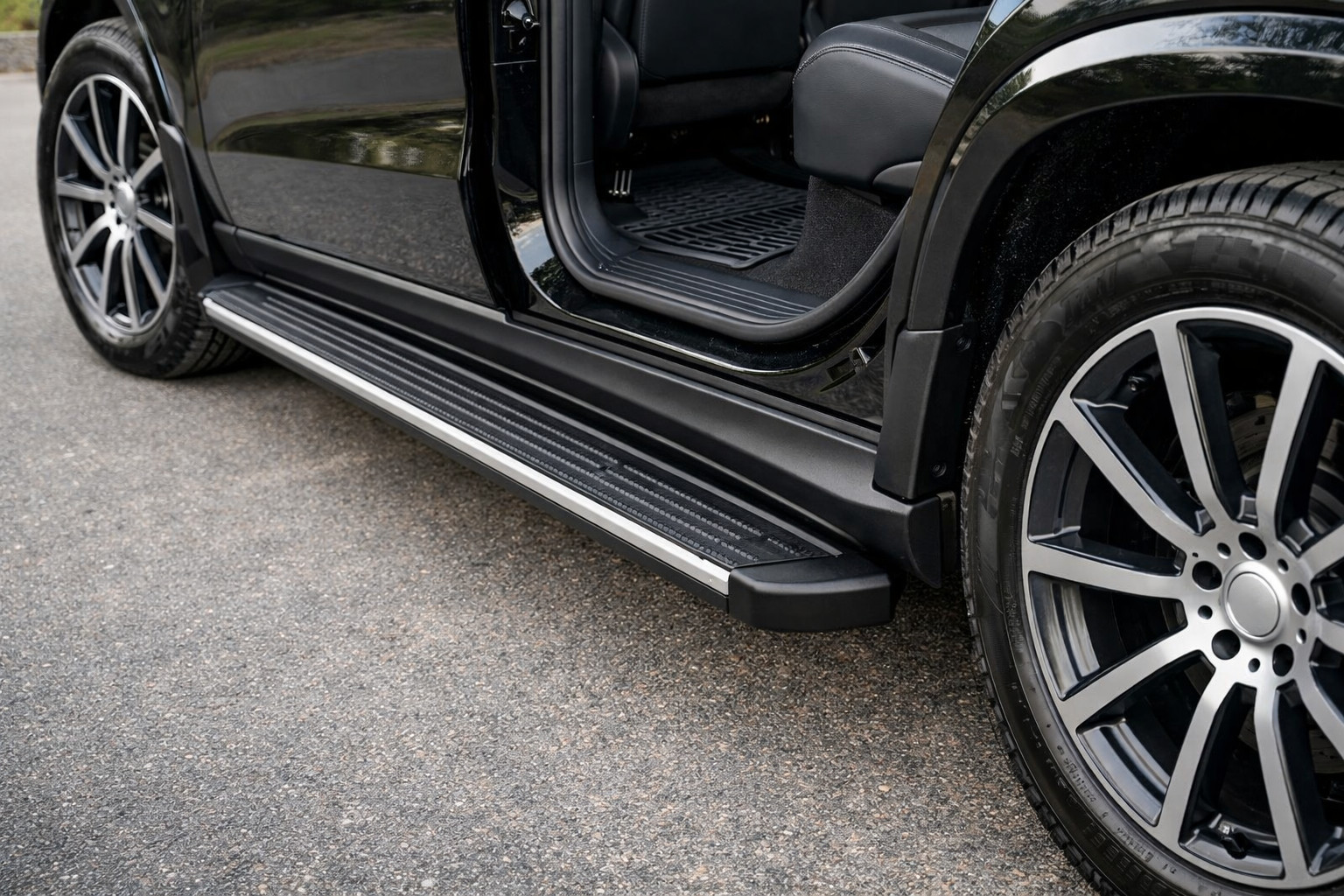
| Side steps | Can help with entry and roof access | Families with kids, shorter passengers, those who truly use the roof |
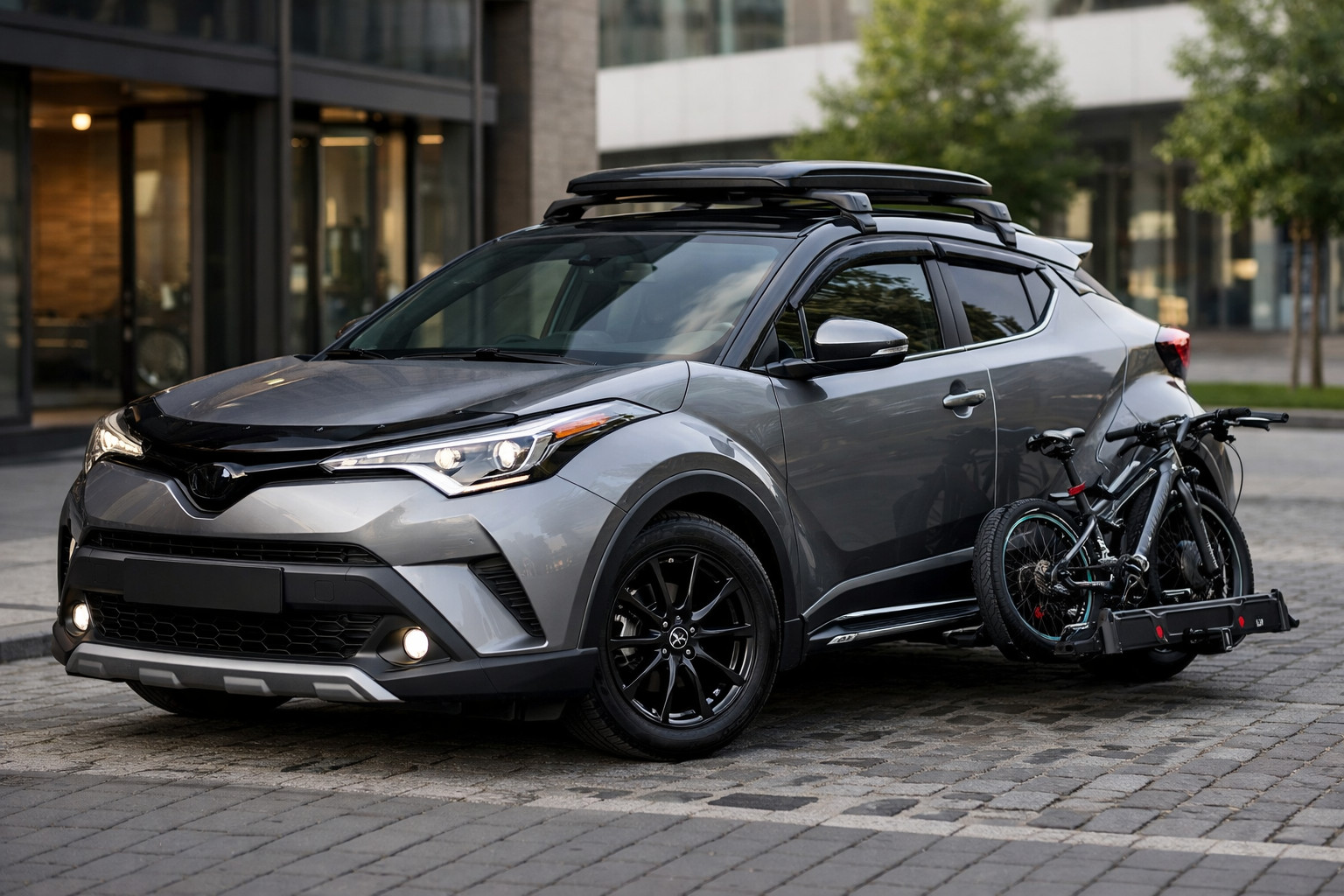
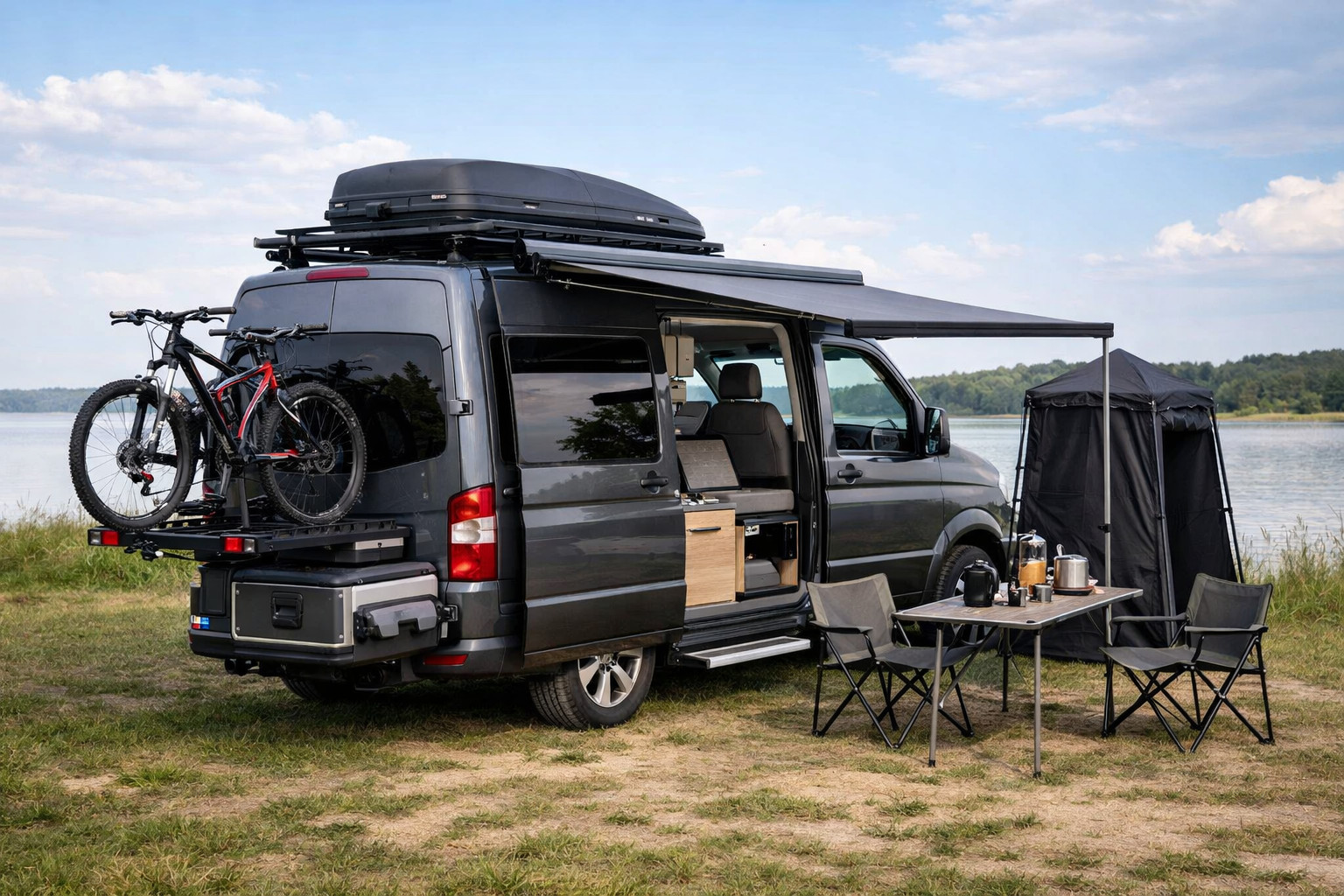
| Roof bars or roof solutions | Take load off the trunk if there’s a lot of cargo | Those who regularly carry a box, skis, bicycles, or long items |
| Air suspension | Provides variable ride height and more usefulness in winter and on bad roads | Only for those who already have it from the factory and the system is in good condition |
This logic makes the main point clear: it’s better to invest the first budget into what works every day, not into what’s simply visible from three meters away.
DD Tuning expert comment: On the Audi Q7 4L, the most common mistake is buying side steps just because the vehicle seems tall, not because someone in the family will actually use them. The second typical mistake is getting big wheels first and then being surprised by a harsher ride and more expensive tires. If the car has air suspension, its condition should be assessed before any exterior upgrade.
The second stage starts when the basic daily needs are already covered. At this point you can think about things that aren’t needed by everyone but work well in a specific scenario: sun protection for a car parked outside, wiper blades, roof solutions if the trunk truly isn’t enough.
Side steps are also best considered here. Not as an automatic purchase, but as testing a hypothesis: do they really make entry easier for your passengers. On some Q7s, adults find it more convenient to simply step over the sill than to search for a step platform with their foot. So without a real test fit, this upgrade can easily become unnecessary.
Chrome trims, decorative body elements, some exterior details, and interior adornments are no longer about basic urban functionality. They can be appealing and can freshen up the look of an older body, but they don’t solve the daily entry task. If the budget is limited, all of this should come after practical purchases.
In this sense, side steps sit on the border of two worlds. For some, they’re a real functional component; for others, mostly an exterior accent. It’s fine to buy something for looks if it’s a conscious decision. What’s not fine is overpaying for looks while expecting everyday benefits that won’t exist in your scenario.
On the Q7 4L, the mistake is usually not the product itself, but the logic of the order. Most often, money is wasted like this:
The point is simple: buy for your everyday scenario. If the main goal is a clean interior and easy entry in the city, spending for visual effect almost always loses to basic practical items.
| What to install first | What you can postpone | What isn’t required | Why |
|---|---|---|---|
| All-weather floor mats | Side steps | Chrome trims | Mats work daily, side steps aren’t useful for everyone, decor doesn’t solve everyday tasks |
| Trunk liner | Roof bars | Door-handle and mirror covers | The trunk on a Q7 is used often, and the roof is only needed for specific hauling tasks |
| Dash cam | Cabin sun protection | Decorative tips | City traffic provides quick benefit from recording; the rest depends on parking conditions and taste |
| Seasonal 19–20 inch tires | Wipers and small interior accessories | 21-inch wheels purely for looks | Vehicle behavior and running costs are felt immediately; big wheels don’t solve the city-use task |
| Check the condition of the air suspension and drains, if relevant | Any expensive body upgrades | Retrofitting air suspension from scratch | First address weak points and basic ergonomics, not expensive projects without practical return |
More expensive items make sense when the extra cost gives a precise fit and longer service life in daily use. For the Q7, it’s logical to pay extra for well-fitted rubber mats and a proper trunk liner, rather than random decor. These are exactly the items that collect dirt every day and most quickly show the difference between a good and a bad purchase.
Alliance side steps make sense only when there is a specific user or task: kids, shorter passengers, frequent roof access. If that’s not the case, a more expensive option here doesn’t become smarter—it just becomes more expensive. Retrofitting air suspension for a typical city scenario is also better not treated as a starting idea.
From a customer’s experience: a Q7 4L owner initially planned to install side steps because his wife felt the vehicle was too tall. After a test fit, it became clear that the main issue wasn’t ride height, but dirty factory mats and an unprotected trunk for kids’ items, so they first installed rubber mats, a trunk liner, and chose tires for the season. They returned to the side-step idea later, but decided against it because daily entry had already stopped being a problem.
For an Audi Q7 2005-2015, a city-focused starter upgrade should be down-to-earth and logical: first protect the interior and trunk, then choose tires for the climate, and only then add upgrades that truly make entry easier for your passengers. Side steps shouldn’t automatically be considered mandatory, and air suspension shouldn’t be treated as the first spending target.
This order isn’t theoretical. It’s based on real selection experience, hands-on practice, and real scenarios of using a Q7 in the city: first you cover everyday needs, then narrow tasks, and you leave everything decorative for last.
| ✔ | All-weather mats and a cargo mat really reduce dirt in the cabin and trunk, and also make daily cleaning easier. For city use, this is the most noticeable practical benefit, because the car often carries wet shoes, kids’ items, and shopping. |
| ✔ | A dash cam is useful in heavy city traffic and in parking lots, where minor incidents happen most often. It does not add comfort directly, but it helps avoid disputes after unpleasant situations. |
| ✔ | 19-20 inch tires and wheels are better suited to potholes, rain, winter, and less-than-perfect asphalt than large 21-inch ones. This makes everyday driving calmer and less costly. |
| ✔ | Side steps can be truly useful for families with children, shorter passengers, or when the roof is used often. In such a scenario, they make getting in and access to the upper part of the car easier. |
| ✔ | If the car already has air suspension and it is in good condition, it provides adjustable ride height and can be useful in winter and on bad roads. The author does not recommend adding it from scratch, but on a ready-made car it is a functional option. |
| ✘ | Side steps are not necessary for everyone: on some Q7s, adults find it easier to simply step over the sill. Without a real test fit, it is easy to spend money on something that will not make getting in easier in your case. |
| ✘ | 21-inch wheels as a first upgrade in a city setting only reduce comfort and increase tire costs. They do not solve the main tasks of daily use on potholes and in courtyards. |
| ✘ | Retrofitting air suspension from scratch for ordinary city use is described as irrational. If the system is already there, it is worth checking it, but making it the top priority makes no sense. |
| ✘ | Decorative elements, chrome trim, and other exterior little things do not solve everyday problems. With a limited budget, they push more important purchases aside — floor mats, cargo protection, and tires. |
Shipping to EU
Wholesale and retail
Own warehouse
Опис продукту
Подарунки не надаються при оформленні покупки у кредит під 0,01% або при покупці частинами.