28.05.2026
340
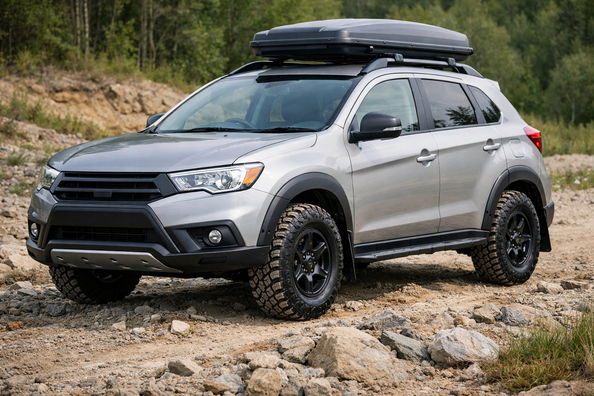

This upgrade plan is for those who drive every day on broken asphalt, patches, joints, courtyards with high curbs, and occasionally turn onto dirt roads—but don’t want to turn a passenger car or crossover into a DIY off-roader. The goal is simple: make the car more resilient to potholes and underbody hits without extra expense, noise, or worsening handling.
The main mistake in this scenario is starting with flashy upgrades. For bad roads without going overboard, a different logic works best: start with the wheels and suspension condition, then underbody protection, then small practical items. If the body is low, the wheelbase is long, or the car already runs an overly low-profile tire, priorities get even stricter.
This upgrade has not one but three tasks. The first is to reduce the risk of a tire blowout, wheel damage, and thrown-off alignment after potholes. The second is to shield vulnerable points underneath so a single hit doesn’t end in repairs to the oil pan, hoses, or mounts. The third is to avoid ruining daily behavior: the car should brake and turn normally and not become both harsh and floaty at the same time.
So this is not about big wheels, aggressive tires, or maximum lift. For the city, highway, and bad asphalt, a useful upgrade is a safety margin without sliding into decorative tuning.
First priority — tires. If the car is on a low-profile setup, that’s often the main cause of punctures, harsh impacts, and stressful driving over potholes. For this scenario, an appropriate tire sidewall is usually better than mindlessly increasing rim diameter. Tire pressure also matters: an underinflated tire survives potholes worse, while an overinflated one transfers impacts more directly to the suspension and body.
Second priority — alignment and the technical condition of the suspension. After a hard hit, you should check wheel balancing and alignment, and if there’s bouncing, bottoming out, nose dive, or excessive body roll—inspect the shocks and springs. A worn suspension can’t be “fixed” with an engine undertray: the car will still keep worse tire contact with the road.
| Upgrade | Why it’s needed | Who really benefits |
|---|---|---|
| Higher-profile tires | Absorb pothole impacts better, lower the chance of damaging the rim and sidewall | Passenger cars and crossovers on large rims, cars with a stiff ride |
| Maintaining correct tire pressure | Reduces puncture risk, improves how the tire works over uneven surfaces | Everyone without exception, especially those who often drive highways and potholes |
| Balancing and wheel alignment | Restores normal handling and even tire wear after impacts | Those who have already hit deep potholes, have vibrations, or the car pulls to one side |
| Healthy shocks and springs | Keep the wheel in contact with the road, reduce bottoming out and bouncing | Cars with worn suspension, high mileage, or constant heavy loads |
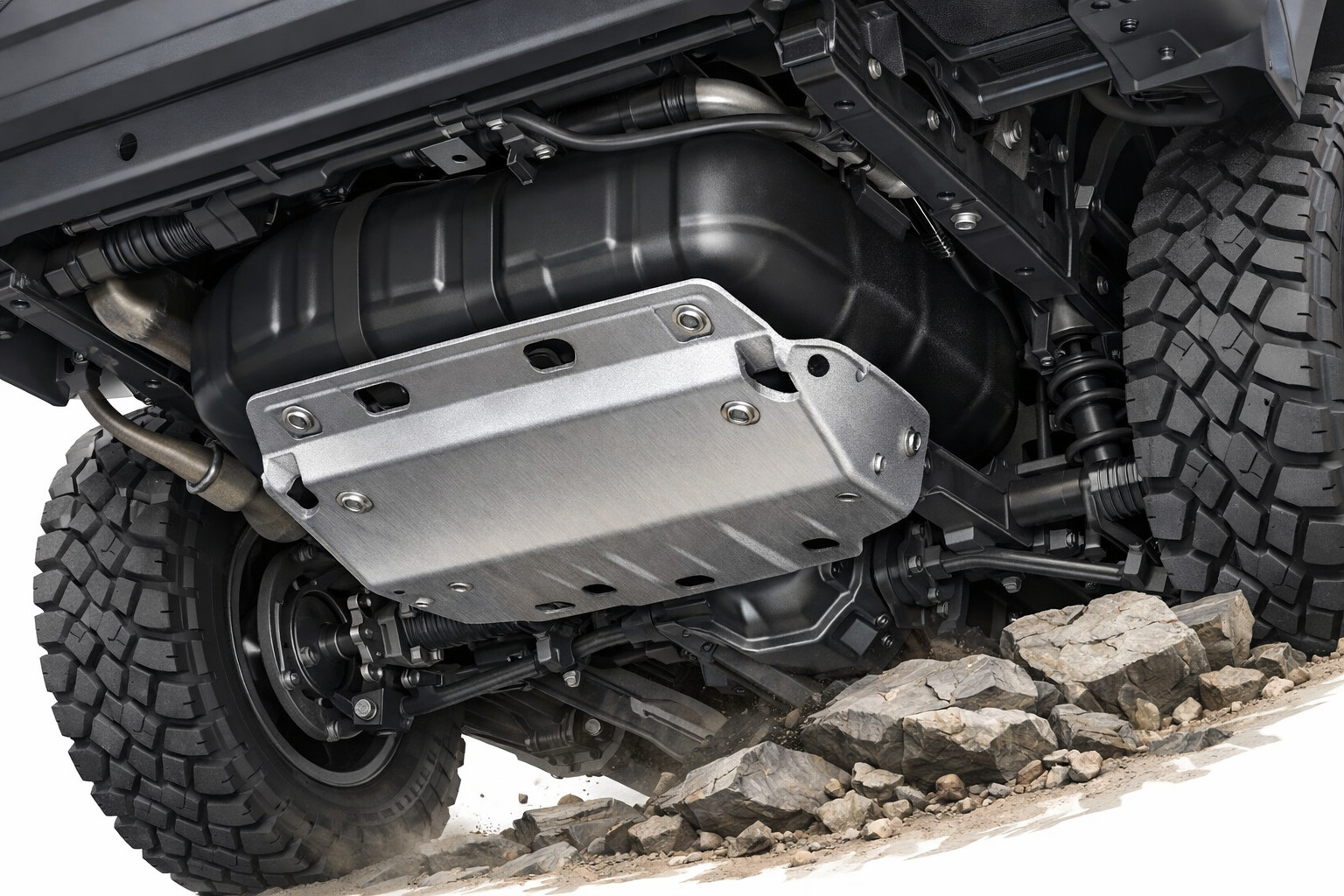
| Engine undertray / protection for vulnerable components | Takes the occasional underbody hit | Low cars, models with an exposed oil pan, those who often drive in villages or courtyards |
| Mud flaps | Less dirt, stones, and salt hit the sills and underside | Those who drive a lot in winter, on gravel, or in wet slush |
| Spare wheel or compressor kit | Gives you a chance to keep going after wheel damage instead of waiting for a tow truck | Those whose car doesn’t come with a full-size spare from the factory |
| Moderate chassis lift | Adds ground-clearance reserve where the car actually scrapes the bottom | Only for those who regularly touch the underbody—not those who just want a higher seating position |
DD Tuning expert comment: most often people first order a metal undertray and big mud flaps, but keep driving on dead shocks and low-profile tires. As a result, engine hits become rarer, but impacts to the wheels and suspension don’t go away. Another common mistake is choosing universal solutions without checking mounting points, body shape, and service access.
After wheels and suspension, it’s logical to move on to underbody protection. First of all, that’s an engine undertray, and for some models—additional protection for other vulnerable elements underneath. If the car is low, has a long front overhang, or often drives over broken entrances, this isn’t decoration—it’s insurance against expensive repairs.
This also includes mud flaps and a proper emergency kit. Mud flaps won’t save you from a pothole, but they reduce the stream of stones and salty slush toward the sills and lower body. And a spare, space-saver, or at least a compressor with a working inflation plan is more useful than hoping every puncture can be solved with sealant.
In this scenario, comfort upgrades include switching to a smarter wheel size if the factory setup is too harsh. A smaller rim with a higher-profile tire often gives a more noticeable result than half the accessories in the catalog. The look may become more modest, but the car stops nervously reacting to every edge.
A moderate “bad roads” package also partly belongs here: it can make daily use calmer, but not everyone needs it. If your car doesn’t scrape underneath on your route, lifting the chassis just for the look is better avoided.
Most often, three things are bought for nothing. First—overly aggressive mud tires when 90% of mileage is on asphalt. They’re noisier, heavier, and don’t provide the balance needed for everyday driving. Second—excessive lift that changes the car’s behavior without real need. Third—large rims with low-profile tires: they look impressive, but work against the scenario.
Separately, be careful with a solid metal undertray without well-thought-out service access. If every oil change turns into extra disassembly, that upgrade quickly becomes annoying. A useful part should not only take a hit, but also not complicate normal maintenance.
| Scenario | What to install first | What you can postpone | What is not mandatory |
|---|---|---|---|
| Low sedan or liftback on stiff wheels | Tires with an adequate profile, correct pressure, alignment check, shock inspection | Engine undertray, mud flaps | Lift, aggressive mud tires |
| Crossover with normal tires but frequent underbody hits | Engine undertray, check springs and shocks, pressure control | Mud flaps, emergency kit | Large rims, “just in case” lift |
| City plus village trips on weekends | Tires, pressure, balancing after potholes, suspension inspection | Mud flaps, underbody protection | Any radical suspension tuning |
| Car without a spare wheel or space-saver | A working emergency kit, check tire condition | Mud flaps, additional protection | Sealant as the only solution for every situation |
This order almost always beats random purchases. It first addresses the risks that daily eat away at the life of tires, rims, and suspension, and only then adds underbody reserve and small conveniences.
More expensive solutions are justified when the cheap option creates new problems. For example, a model-specific engine undertray makes sense if your car has a low-mounted oil pan, a complex underbody shape, or requires neat mounting without drilling. The same applies when you often drive bad roads fully loaded.
Before buying, it’s useful to see how to choose protection for your scenario, rather than just taking the thickest sheet of metal. If you need tidy body protection from dirt and salt without DIY modifications, it’s better to look at mud flaps for your specific car rather than universal options just to save money. More expensive doesn’t always mean stronger, but it often means a more precise fit, fewer installation headaches, and proper access for maintenance.
From a customer’s experience: a typical request in this scenario sounds like this—daily city driving, but the road to the house is broken, and in winter there’s a lot of salt. At first the person wanted to lift the suspension and fit rougher tires, but after selection they settled on a proper sidewall, a suspension check, an engine undertray, and mud flaps. In the end the car started to handle potholes more calmly, stopped scraping the underside in familiar places, and the costs were lower than the radical option.
For a car on bad roads without fanaticism, a simple sequence works: tires and pressure, then alignment and suspension condition, then underbody protection, after that mud flaps and an emergency kit. A moderate chassis lift only makes sense once you understand the car truly lacks clearance on your route—not when you want a higher seating position “just in case.”
This approach filters out marketing clutter and leaves only what delivers practical results in everyday driving. The material is based on real selection experience, hands-on practice, and real use cases—not an abstract list of accessories.
| ✔ | First, it is recommended to invest in tires, tire pressure, and a suspension check, because these are the things that most affect bottoming out, wheel impacts, and handling over potholes. This order gives a practical result even before additional protection is installed. |
| ✔ | The package is not reduced to just “lifting the car” or fitting large wheels, so there is less chance of ruining the car’s everyday behavior. The author clearly focuses on durability reserve without a noticeable loss in braking, cornering, or comfort. |
| ✔ | Crankcase protection and protection for vulnerable components make sense specifically for routes with broken yards, rural roads, or frequent underbody impacts. It reduces the risk of costly repairs after accidental contact with an obstacle. |
| ✔ | Mud flaps and a proper emergency kit provide practical benefits in dirt, salt, and long trips. They do not solve the road problem, but they reduce body wear and help avoid being stranded after a puncture. |
| ✔ | The plan clearly separates must-have, desirable, and unnecessary items, making it easier not to spend money on pointless upgrades. This is especially useful if the car already rides on stiff wheels or has worn suspension. |
| ✘ | The moderate chassis lift described in the article is not mandatory, but only needed when the car is actually scraping the underbody. If you install it “just in case,” you may end up with extra expenses without any real benefit. |
| ✘ | Rough off-road tires, large low-profile wheels, and excessive lift are directly described as poor purchases for this scenario. They are noisier, harsher, or change the car’s behavior in a way that is not beneficial for everyday driving. |
| ✘ | A solid metal guard without well-thought-out service access can make maintenance more difficult if every oil change turns into a teardown. In other words, there is practical value, but only if the installation and access to components are done properly. |
| ✘ | Crankcase protection does not compensate for worn shock absorbers, springs, or bad alignment. If the suspension is not fixed first, the car will still handle the road worse and continue taking impacts through the wheels and suspension. |
Shipping to EU
Wholesale and retail
Own warehouse
Опис продукту
Подарунки не надаються при оформленні покупки у кредит під 0,01% або при покупці частинами.