Frequently asked questions
Which mats are better: EVA or rubber?
EVA mats are lighter, don’t get soaked, and are quick to clean, while the textured surface holds water and sand. Rubber mats are heavier, but they handle dirt, road chemicals, and use outside the city best. For everyday driving, EVA is chosen more often; for tough conditions, rubber is preferred.
How do I find mats made specifically for my car?
Use the “Make / Model” filter on the category page and check the year of manufacture and body type in the product name. If you’re not sure, send us the make, model, year, and body type — we’ll help you choose the right version.
How are model-specific mats better than universal ones?
Model-specific mats are made for the floor of a particular car: they fit without trimming, cover the sills and tunnel, and stay in place on the factory mounts. Universal ones are cheaper, but they need fitting and usually don’t have side edges.
Can I buy only a trunk mat?
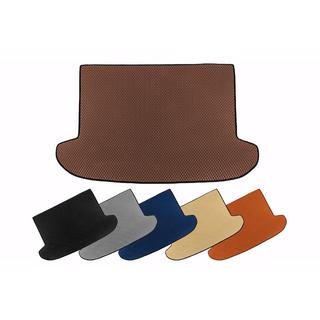
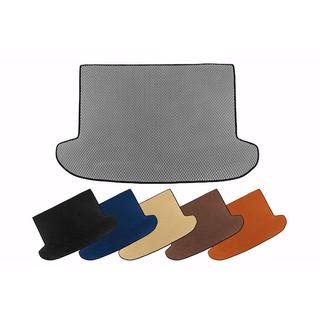
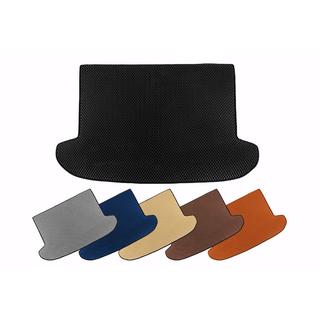
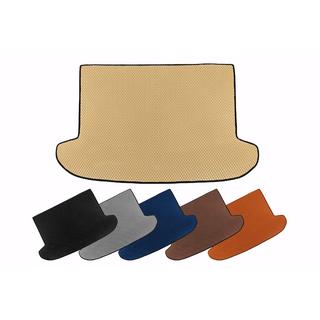
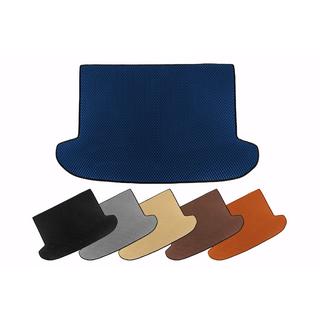
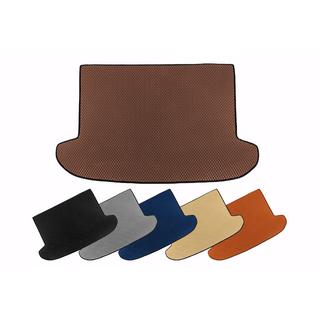
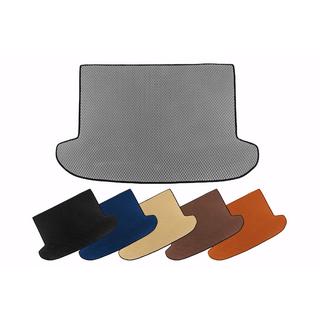
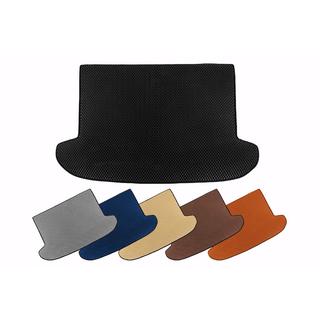
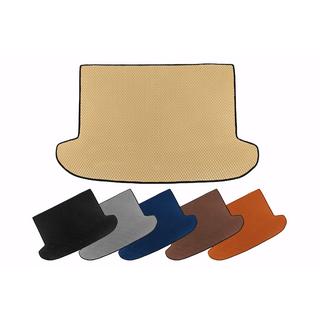
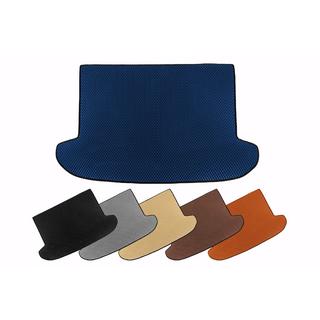
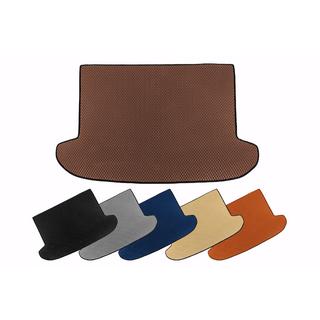
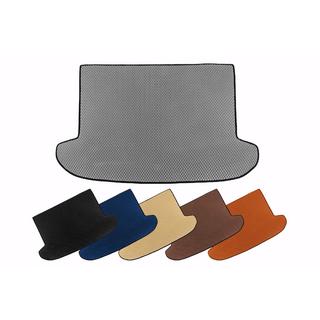
Yes. Trunk mats are sold separately from cabin mats — there are EVA, rubber (including Stingray 3D mats), and textile options.
Why do I need clips for car mats?
Clips secure the mat to the factory mounts on the floor so it doesn’t slide under the pedals. The “Clips” section includes fasteners for specific makes and universal ones.
What is the heel pad on a mat for?
The heel pad protects the area under the driver’s heel, which wears out first. A rubber one is cheaper and easier to replace; an aluminum one is more durable, won’t rust, and is fastened through with bolts.
How long does it take to make custom mats?
EVA and textile mats are our own production. A set in a non-standard color, with a different edging or pattern, is made in 1–2 business days.