22.09.2025
555
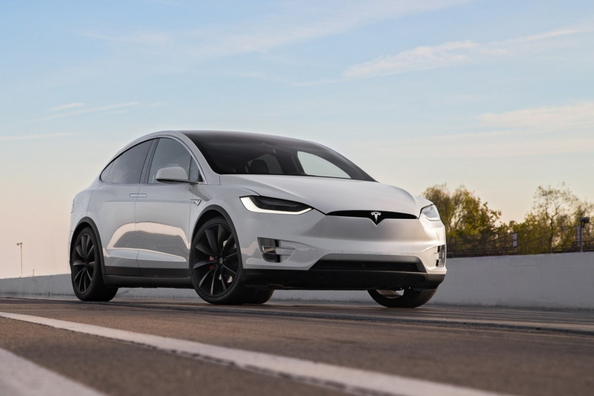

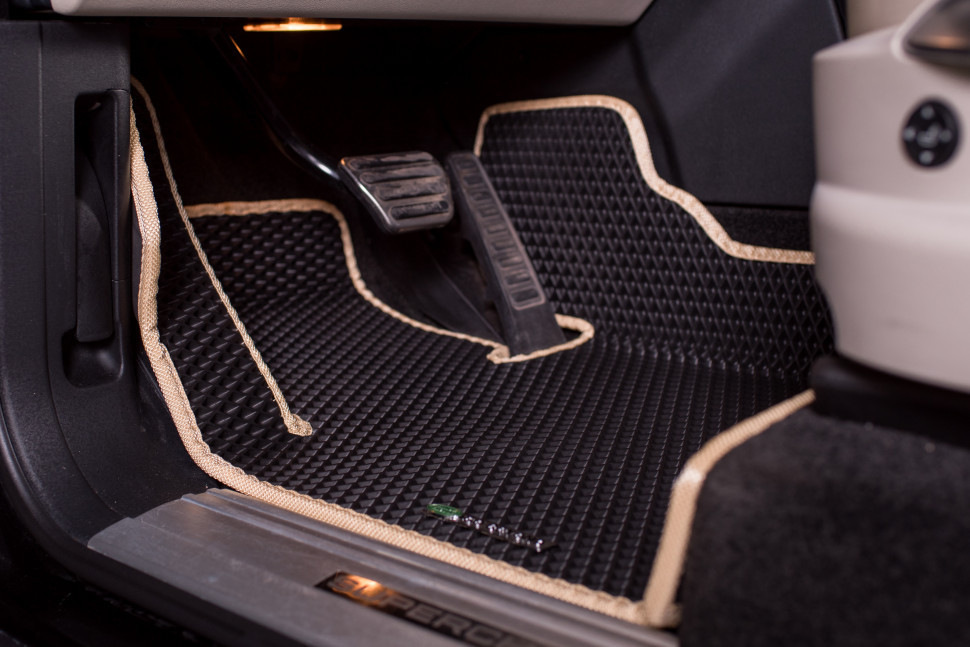
Electric cars are rapidly gaining popularity, but many owners wonder: do they need a break-in period, like for cars with an internal combustion engine? Understanding the features of operating a new electric car will help extend the life of the battery and systems. Let's consider whether a break-in period is necessary and how to properly start operation. You can also significantly improve the attractiveness of your car and make it unique by using tuning accessories that are in our product range.
Break-in is a period of gentle operation that allows components to adapt. For electric vehicles, it is less critical than for internal combustion engines, but it has its own nuances.
The break-in period for an electric vehicle is not as strict as for cars with an internal combustion engine, but the first 1,000-2,000 km should be driven carefully, avoiding sudden loads and optimizing charging. This will help preserve the battery and ensure comfortable operation.
Shipping to EU
Wholesale and retail
Own warehouse
Опис продукту
Подарунки не надаються при оформленні покупки у кредит під 0,01% або при покупці частинами.