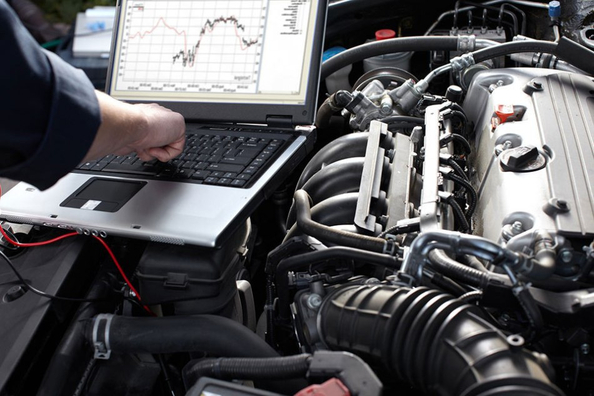
The car's electrical equipment is a key element that ensures its operation, from the headlights to the engine. But is regular diagnostics necessary? Let's look at why it is important and how it helps to avoid problems. You can also make your car more stylish and expressive by using tuning accessories, a large assortment of which is available in our online store.
Why is regular diagnostics of electrical equipment so important?
- Prevention of serious breakdowns:
- Early detection of minor faults, such as problems with wiring, sensors or fuses, prevents them from developing into more serious and costly breakdowns.
- This helps to avoid sudden system failures, which is especially important on the road.
- Security:
- The electrical system is responsible for the operation of headlights, brake lights, airbags, ABS, and other critical systems. A malfunction in any of them can lead to an emergency.
- Diagnostics helps ensure their correct functioning.
- Fuel consumption and performance optimization:
- Many electronic components, such as oxygen sensors or air flow sensors, affect the composition of the fuel mixture and engine efficiency.
- Incorrect readings can lead to increased fuel consumption and reduced power.
- Comfort and functionality:
- Diagnostics allows you to identify problems with the air conditioner, multimedia system, power windows and other elements responsible for the comfort of the driver and passengers.
When to perform diagnostics?
It is recommended to carry out diagnostics of electrical equipment:
- When buying a used car.
- If any error indicators appear on the dashboard.
- Before long trips.
- Regularly, as part of scheduled maintenance (once a year or every 10-15 thousand km).
Conclusion
Electrical diagnostics are essential for the safety and durability of your vehicle. Regular inspections save money and prevent unpleasant surprises on the road.