Buying a used car always comes with certain risks. One of the most common and unpleasant surprises can be body corrosion. Should you consider buying a car with rust, or is it a deliberately bad idea? Let's figure it out. You can also add attractiveness and uniqueness to your car by using tuning accessories, a large selection of which is available in our online store.
Types of body corrosion
Corrosion comes in different forms, and the degree of its impact on a car can vary greatly:
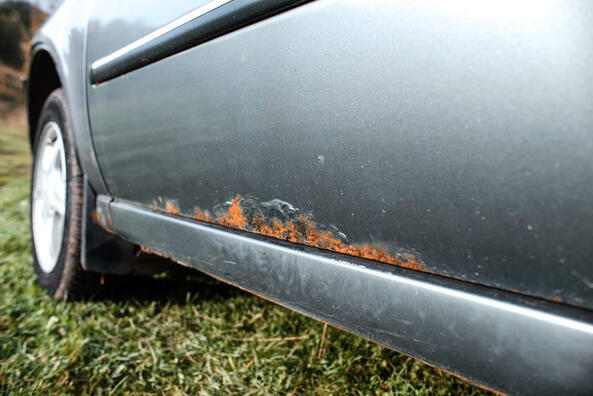
- Surface rust: small areas, often occurring where paint has chipped. Not critical on the outside, but can progress.
- Deep corrosion: penetrates the metal, weakening its structure. Requires major repair, can affect safety.
- Penetrating corrosion: forms holes in the body. Critical condition, repair is often impractical.
Pros and cons of buying a car with corrosion
Pros:
- Low price: Cars with corrosion usually sell for much less than their rust-free counterparts.
Cons:
- Additional costs: Corrosion repairs can be expensive and time-consuming.
- Hidden problems: Rust in visible areas may be just the "tip of the iceberg", hiding more serious damage.
- Safety: Deep corrosion can weaken the load-bearing elements of the body, affecting safety during an accident.
- Aesthetics: Rust spoils the appearance of a car.
How to assess the degree of corrosion before buying
- Visual inspection: carefully inspect the body for rust, especially in vulnerable areas (sills, wheel arches, underbody).
- Check hidden areas: look under the floor mats in the cabin and trunk, check the condition of the metal underneath them.
- Diagnostics at a service station: the best option is to contact specialists for a professional assessment of the condition of the body.
Conclusion
Buying a car with rust can be justified if the rust is superficial and the price is very attractive. However, you should be prepared for additional repair costs. In most cases, a car without rust is a smarter and safer choice.