05.01.2026
1346
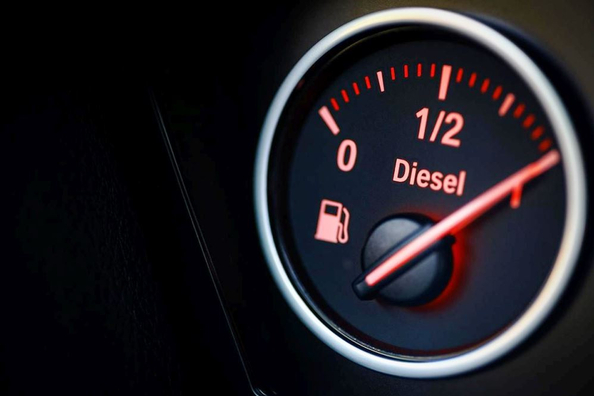

The choice between a petrol and a diesel engine is a classic dilemma for motorists. Diesel engines have long been considered the benchmark for reliability and efficiency, but modern environmental standards and changing fuel prices make it worth reconsidering this issue. In addition, you can improve your car’s reliability and performance by using tuning accessories, which are widely available in our product catalog.
Diesel is chosen by those who value torque and efficiency, especially with high annual mileage.
Despite the obvious benefits, operating a diesel has its specific features that can increase costs.
Buying a diesel makes sense if your annual mileage exceeds 20,000–25,000 km. In this case, fuel savings will offset the higher maintenance costs. Diesel is also ideal for heavy crossovers and towing trailers. However, if you mostly drive short distances around the city, a petrol engine may prove more practical and cheaper to maintain.
Shipping to EU
Wholesale and retail
Own warehouse
Опис продукту
Подарунки не надаються при оформленні покупки у кредит під 0,01% або при покупці частинами.