12.10.2025
331
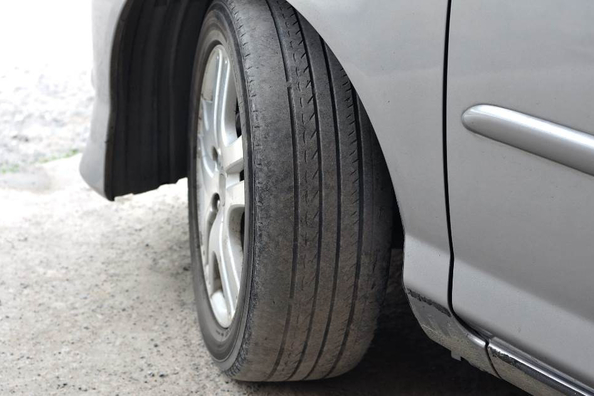
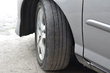
“Bald” tires are those with tread depth less than 1.6 mm (summer) or 4 mm (winter). Drivers save money but risk their lives, handling, and wallets. In this article, we’ll explain why worn tread is deadly dangerous and how to recognize it in time. To make your car look more stylish and stand out on the road, we recommend using tuning accessories, which you can find in great variety in our online store.
Tread wear drastically worsens vehicle behavior:
The effect depends on the season:
Don’t wait for disaster:
Replace when the limit is reached or every 5–7 years. New tires pay off with safety: braking distance is 10–15 meters shorter.
Shipping to EU
Wholesale and retail
Own warehouse
Опис продукту
Подарунки не надаються при оформленні покупки у кредит під 0,01% або при покупці частинами.