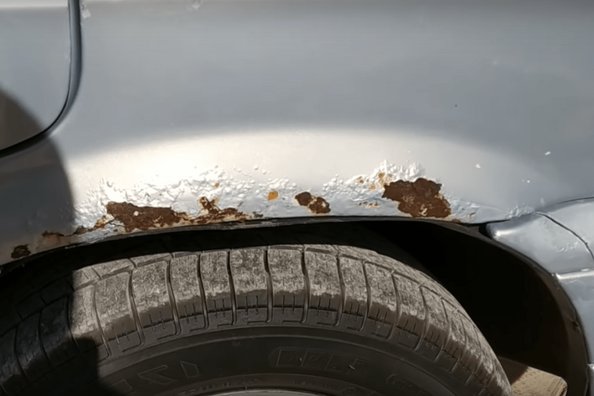
Many car owners are engaged in tuning , trying to give their vehicle individuality. However, all efforts to improve the appearance can be in vain if rusty spots, or "mushrooms", appear on the body. These small foci of corrosion are a serious problem that can damage the metal and require expensive repairs.
The main dangers of "redheads" on the body
- Metal Destruction: Rust is the process of oxidation of iron, which leads to the gradual destruction of metal. If corrosion is not stopped in time, the "mushrooms" will grow deeper, weakening body elements.
- Loss of body strength: The spread of rust in load-bearing body elements, such as side members or sills, is particularly dangerous. This can significantly reduce the passive safety of the vehicle in the event of an accident.
- Aesthetic damage: Even small patches of rust spoil the appearance of a car, making it less attractive and reducing its market value.
- Expensive repairs: The longer you delay removing rust, the deeper it penetrates the metal. Removing advanced corrosion can require complex bodywork repairs, including replacing damaged elements, which entails significant financial costs.
- Spread to neighboring areas: If no action is taken, rust will spread to adjacent areas of the body, increasing the area of damage.
- Problems during technical inspection: In some countries, the presence of significant corrosion may be a reason for refusing to pass technical inspection.
Prevention is the best way to combat "redheads"
Preventing rust is much easier and cheaper than dealing with its consequences. Regular washing of the car, especially in the winter after exposure to salts and reagents, timely removal of chips and scratches on the paintwork will help protect the body from corrosion and keep it in good condition for many years. When the first signs of rust are detected, measures should be taken as soon as possible to remove it and treat the affected areas.