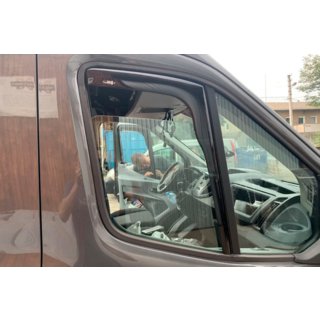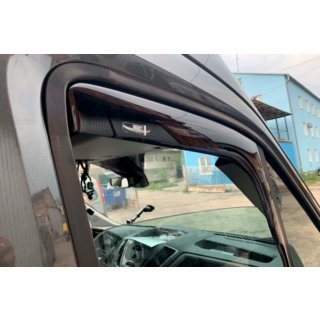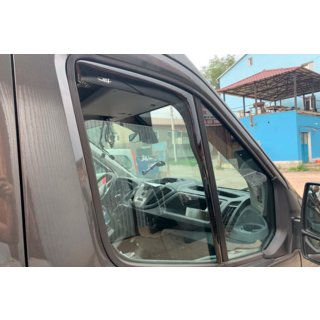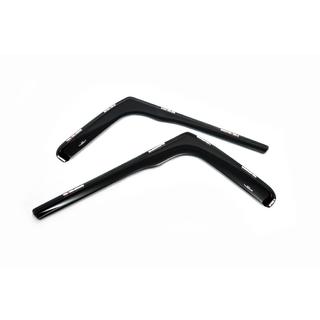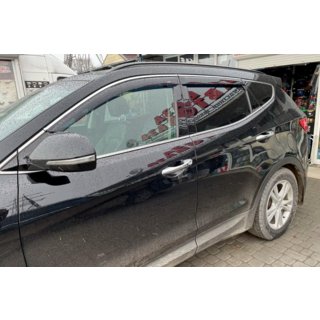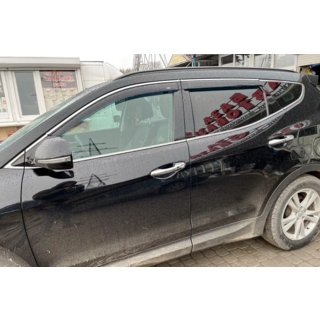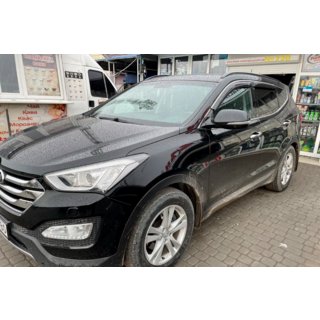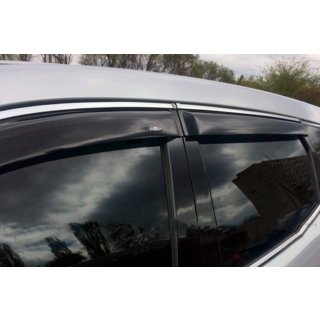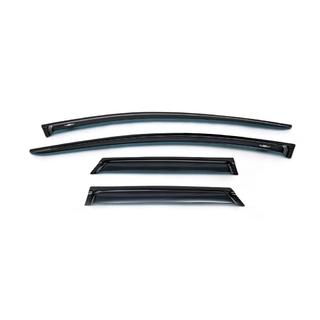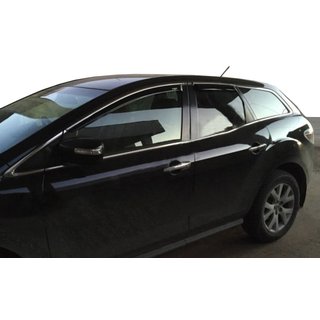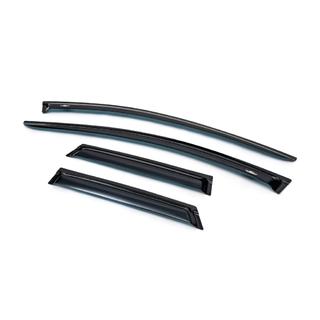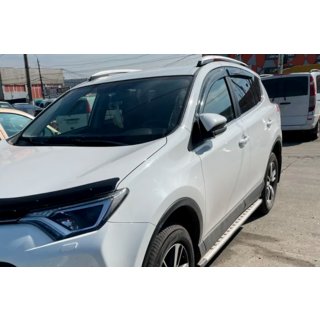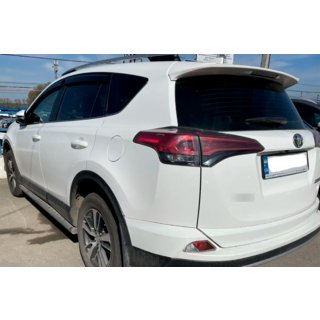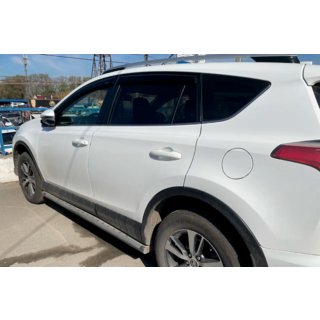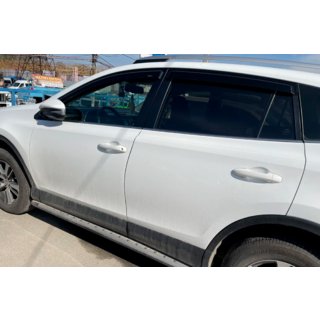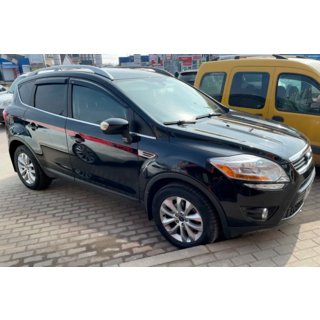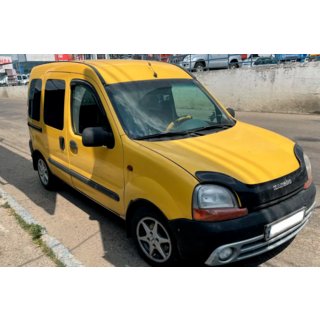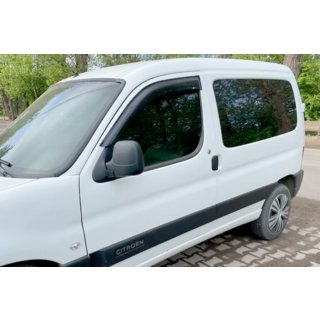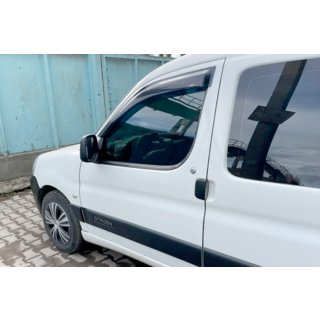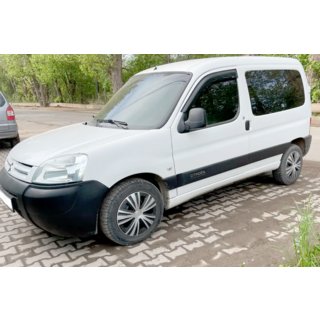

7
Article: HY38-M
price 65 GBP
Made to order
Delivery time: 1-2 days
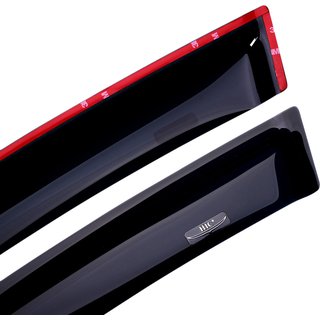
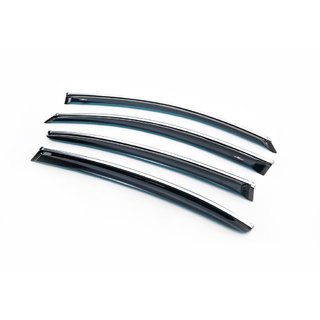
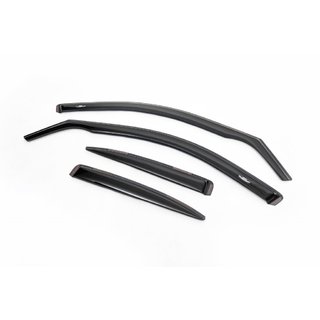
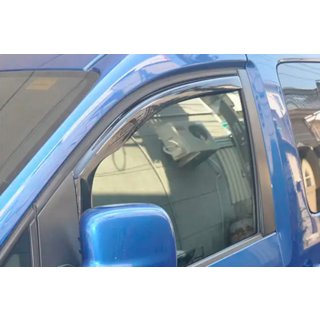
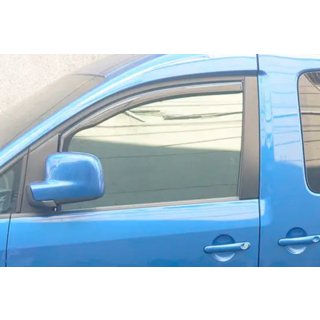
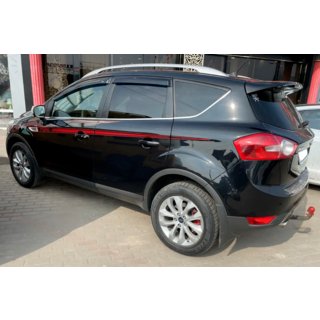
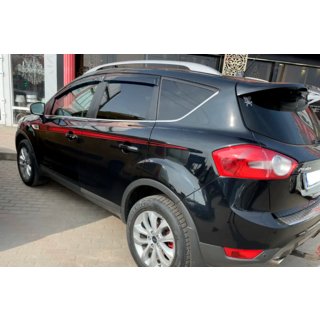
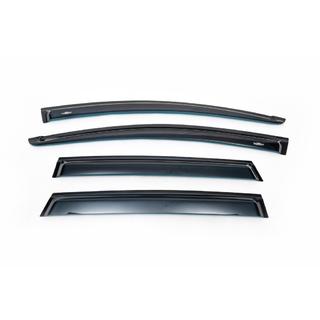
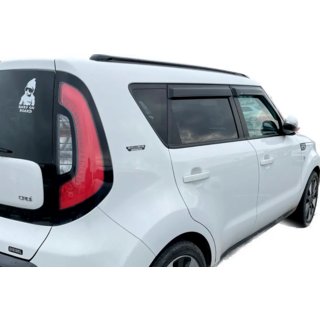
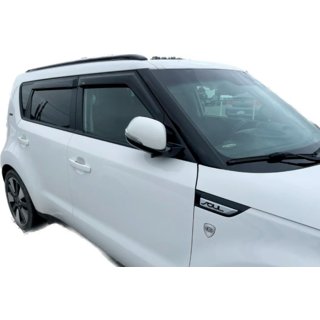
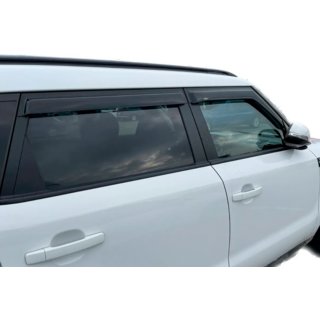
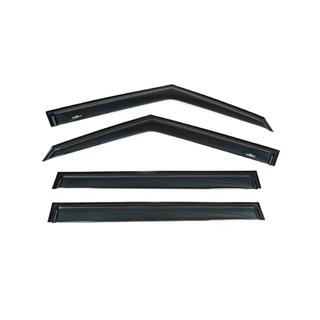
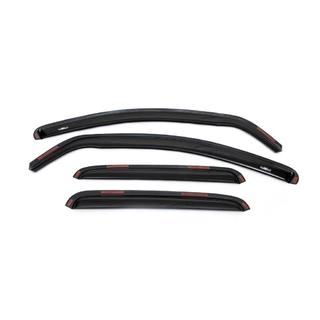
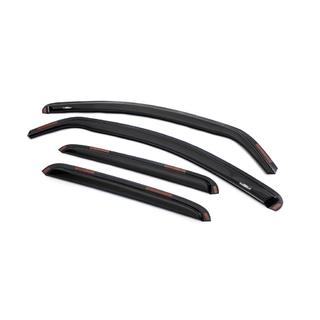
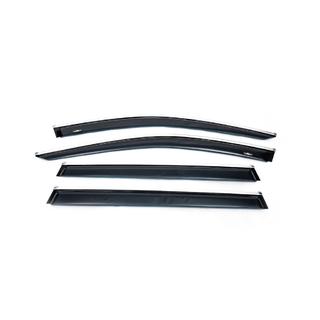
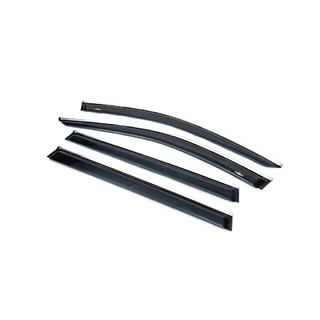
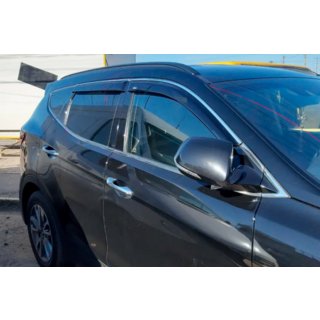
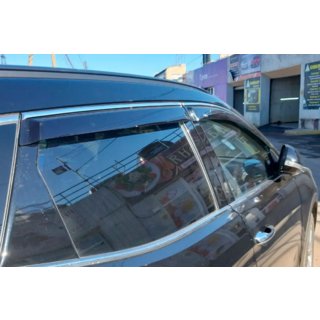
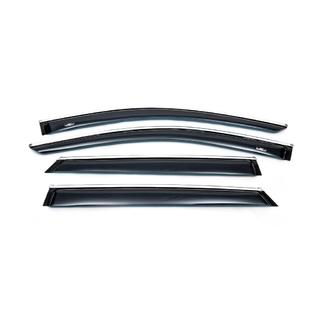
Window deflectors (wind deflectors) are tinted visors above a car’s side windows that let you keep the glass slightly open in rain or snow. There are two types: stick-on deflectors are mounted with double-sided tape to the door frame above the glass and don’t touch the rubber seal, while in-channel deflectors are inserted into the upper window channel under the seal—they look more integrated, but can interfere with the power window.
| Type | How it mounts | What’s different |
|---|---|---|
| Stick-on (self-adhesive) | Double-sided adhesive tape on the door frame above the glass | Do not touch the glass or seal, don’t interfere with the power window; can be installed DIY with no drilling; most deflectors in the catalog are HIC, Niken, Sunplex, EuroCap, DPT |
| In-channel (under the seal) | Inserted into the upper channel where the glass moves; there is a mounting kit for them | Look integrated, but take up space in the channel: the glass may rise tightly, and pinch-protection power windows may treat the deflector as an obstacle; in the catalog: ESA, Cagatay, selected HIC and Heco models |
This section features vehicle-specific wind deflectors for passenger cars, crossovers, pickups, minivans, and commercial vans—from Mercedes Sprinter and Volkswagen Crafter to Toyota Camry, Ford Focus, or Chery Tiggo. The easiest way to choose is using the “Make / Model” filter: each set is made to match the door shape of a specific body.
This is the key choice that affects both installation and how the deflectors behave in use. The installation type is listed in the specs of each product.
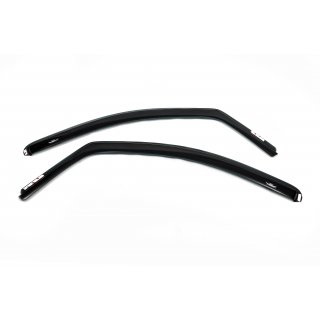
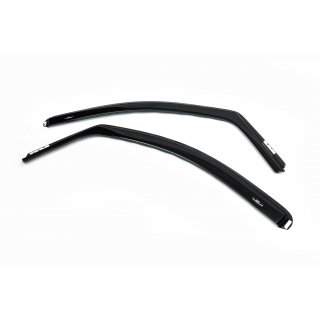
Classic deflectors are black (smoked): they shade the top of the window and are almost invisible on a dark body. From the outside, a dark deflector may look opaque, but often it’s simply tinted, and you can see through it from inside—how much depends on the specific product, so check the photos and description. Versions with a chrome molding have a shiny decorative strip along the lower edge while the visor remains tinted—they’re chosen to match the chrome on the car; this is stated directly in the product name (“with chrome molding”, Sunplex Chrome, EuroCap Chrome). These versions are usually more expensive than black ones. There are also semi-transparent deflectors—for example, ESA for Seat Leon and Cagatay for Iveco Daily and Mercedes Sprinter W907/W910. The manufacturer logo on the deflector may be printed or applied as a removable sticker; if it’s important to you that there’s no lettering, confirm this with the manager before ordering.
Each product title lists the quantity and the body style—please check them before ordering.
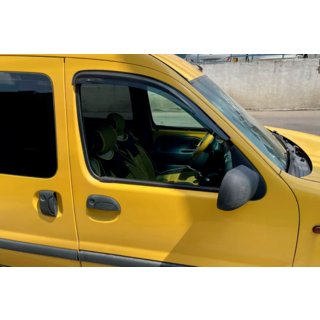
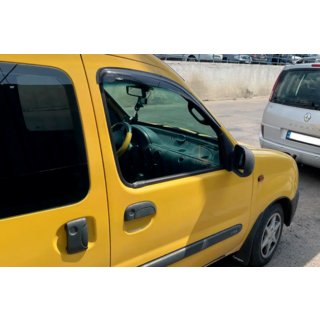
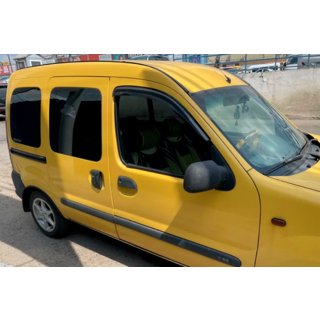
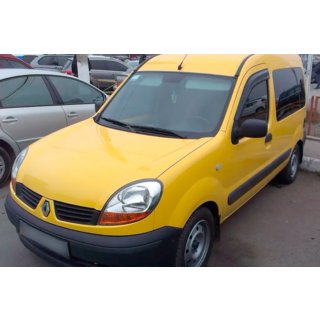
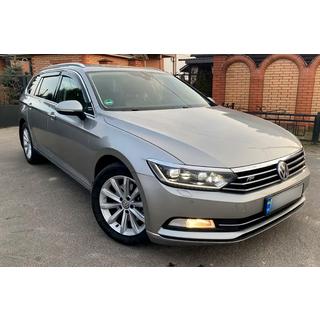
Wind deflectors are vehicle-specific: even similar vehicles from the same manufacturer can have different door frames. Model year alone is not enough—match the generation, facelift, and body style, and in a transition year use photos of your car as a reference. Look carefully whether the deflector reaches the mirror or the small triangular window—the product photo shows its shape and length. To avoid mistakes, open your vehicle page, for example wind deflectors for Mercedes Sprinter W906, and if you’re unsure about body style or years—send the manager a door photo or VIN.
Polycarbonate is more flexible and impact-resistant; polystyrene and plexiglass are stiffer and more affordable. The material, country of origin, and what’s included are shown in the specs of each product.
Stick-on deflectors can be installed DIY with no drilling. The key conditions are a clean, degreased frame and warmth: adhesive tape bonds well at temperatures from +15 °C, so in winter it’s better to install in a warm garage. First, lay out the parts according to the instructions—left and right, front and rear may be non-symmetrical, and a small gap can be part of the design. Test-fit the deflector without removing the tape liner and don’t force it; then peel the liner gradually while pressing the visor along the entire length. Install on the door frame, not on the glass. It’s best not to wash the car during the first 24 hours after installation. Step-by-step guidance is in the installation block on this page; more about types and installation is in the article “Window deflectors for a car: what they’re for and how they’re installed”.
A new deflector often has a protective shipping film: scratches or dull marks on the film do not mean the plastic is damaged—inspect the surface under the film and remove it before use. To keep deflectors clear for a long time, rinse off active foam at the car wash in time and don’t direct a high-pressure jet at a sharp angle toward the edge of the tape. Don’t scrape ice and snow with a hard scraper—plastic will get scratched; light scratches can be removed with a non-abrasive polishing compound. If an edge starts lifting, clean and degrease the area and re-attach it before the deflector gets lost at speed.
Besides wind deflectors, the “Deflectors” section includes hood deflectors (bug shields) that protect the hood from stones and insects, windshield deflectors, visors, winter covers, and deflector mounting hardware. Wind deflectors are often purchased together with a hood deflector—this protects the car from the front and sides in a matching style.
Description prepared with the help of AI based on analysis of over 1 million phone calls between DD Tuning managers and customers, plus the company knowledge base. We collected the questions customers ask most often and practical, field-tested answers.
Shipping to EU
Wholesale and retail
Own warehouse
Опис продукту
Подарунки не надаються при оформленні покупки у кредит під 0,01% або при покупці частинами.