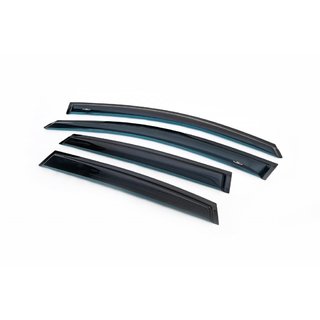
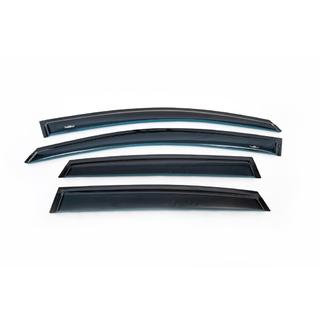
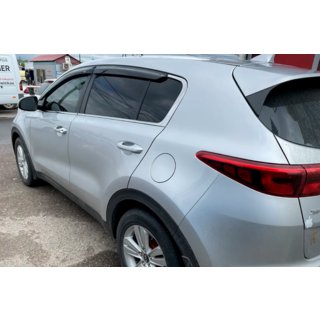
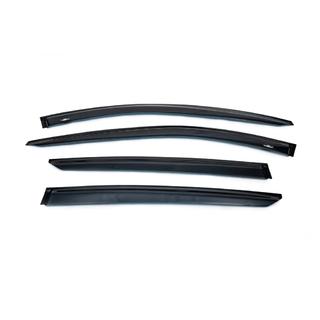
Frequently asked questions
Which wind deflectors are better — clip-on or in-channel?
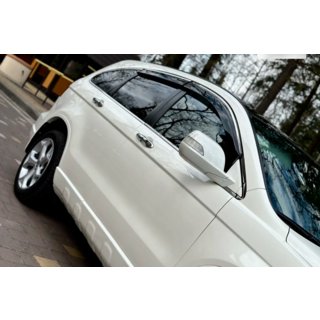
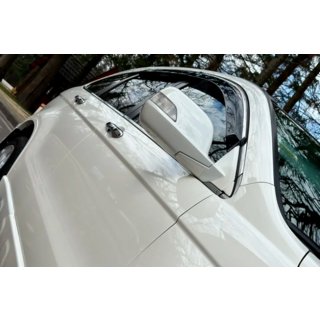
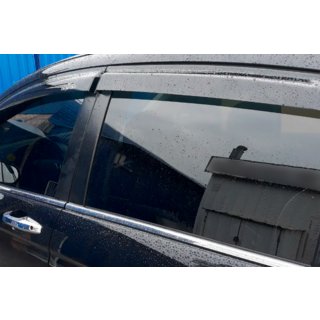
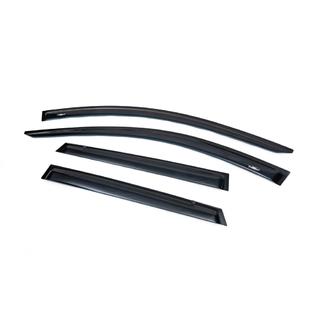
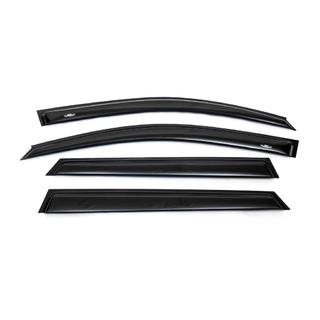
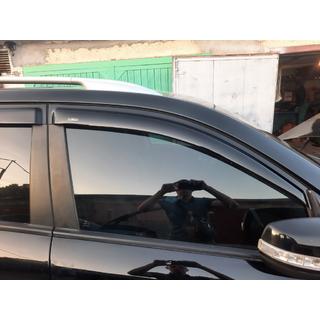
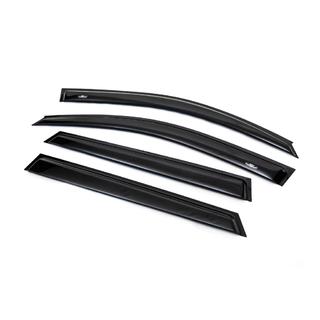
Clip-on ones attach to the frame above the glass and do not touch the seal, so they do not interfere with the window mechanism — this is the most common option. In-channel ones fit into the window channel and look integrated, but they can make it harder to raise the window on cars with automatic window closing.
At what temperature can wind deflectors be installed?
From +15 °C and above: in the cold, the adhesive tape does not stick well. In winter, install them in a warm room and let the car warm up before fitting.
How many wind deflectors do you need — 2 or 4?
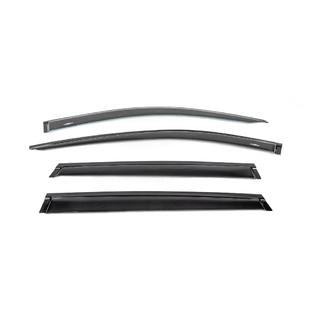
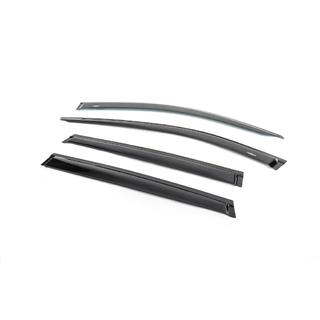
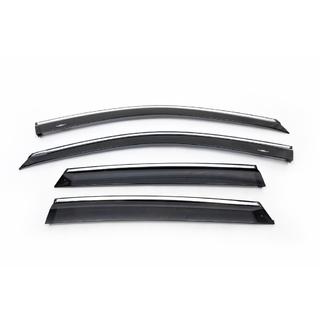
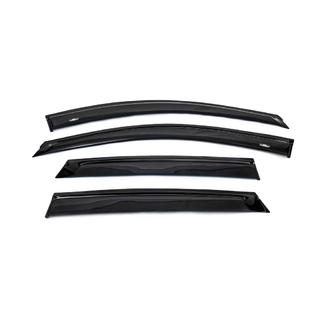
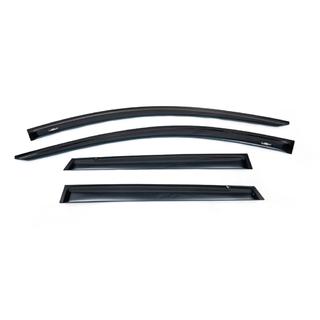
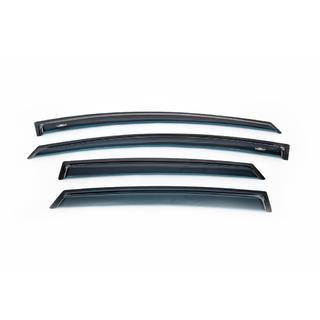
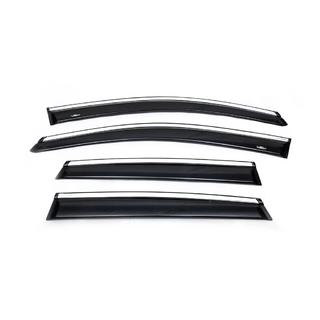
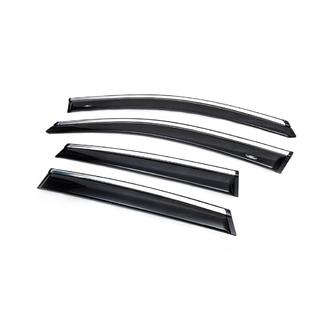
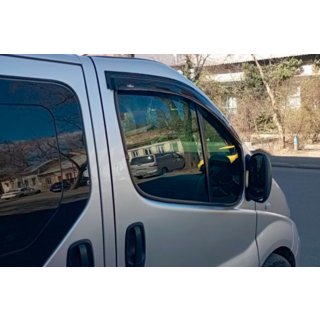
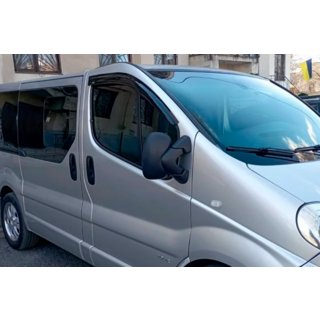
A set of 4 covers the front and rear doors of a passenger car. A set of 2 is usually for the front doors; vans and minibuses are typically equipped this way. The quantity is indicated in the product name.
Will wind deflectors from another body type or the US version fit?
No, wind deflectors are model-specific: a sedan, hatchback, and wagon have different rear doors, and some models have separate versions for cars from Europe and the US. Choose a set according to your body type and year of manufacture; if in doubt, send the manager a photo of the doors or the VIN.
Can you see through black wind deflectors?
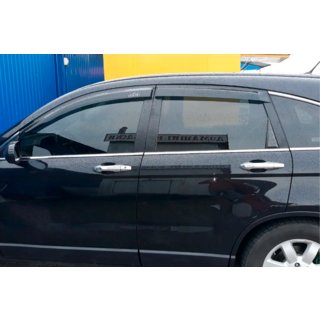
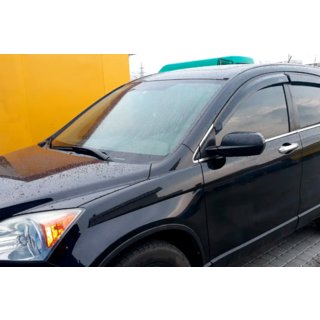
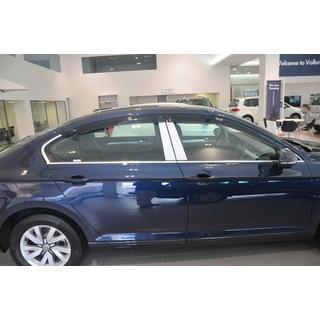
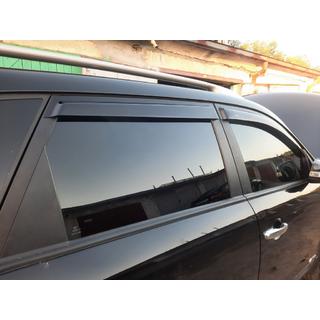
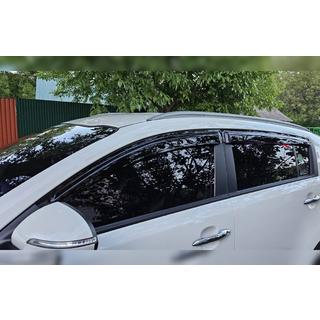
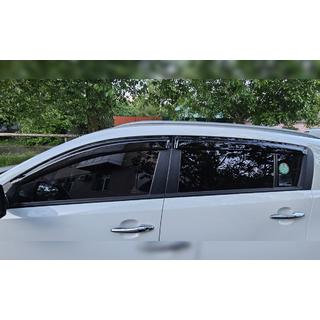
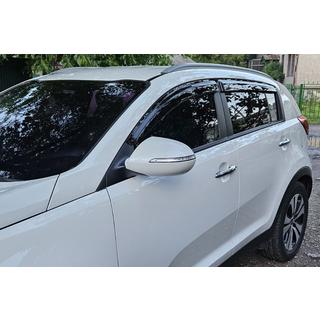
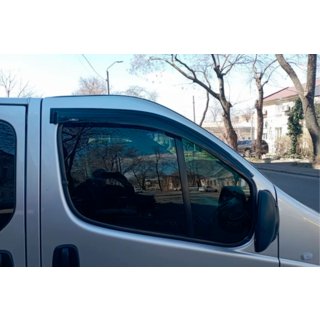
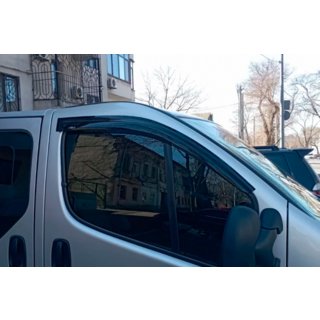
Often yes: from the outside, tinted wind deflectors look opaque, but from inside the car you can see through them. There are also fully opaque and semi-transparent models — check the transparency level in the photos and description of the specific product.
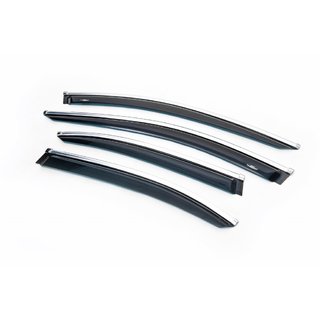
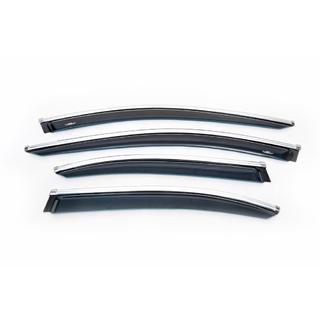
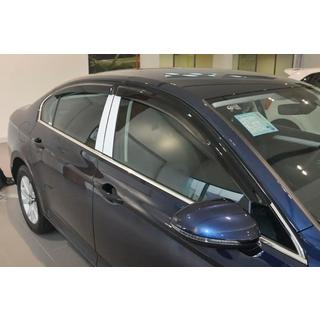
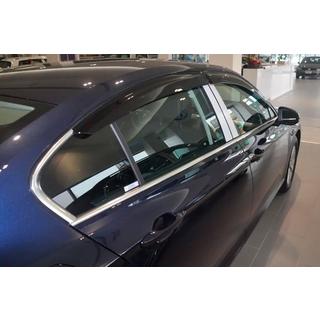
How are wind deflectors with chrome molding different?
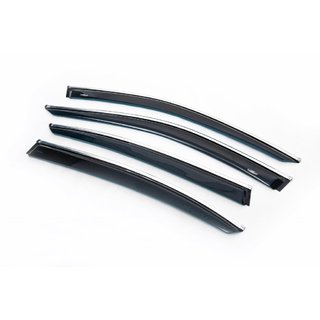
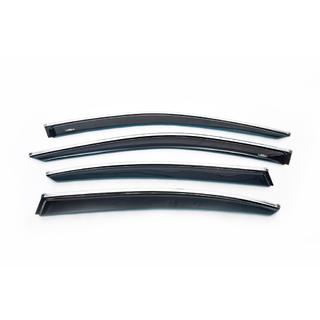
They have a shiny decorative strip along the lower edge, while the deflector itself remains tinted. It highlights the chrome on the body; the mounting is the same as on black ones, but chrome versions are usually more expensive.