23.12.2024
429
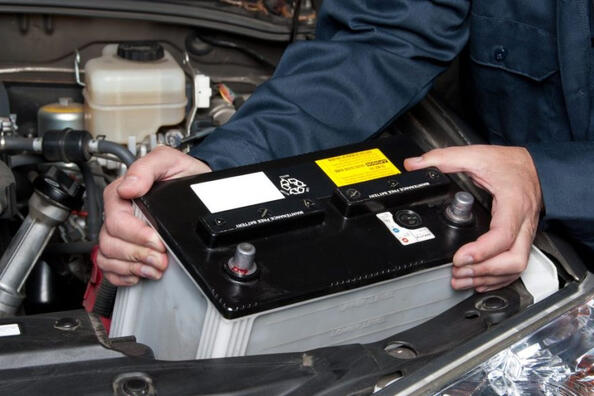

Gel batteries are becoming increasingly popular among car owners. They differ from traditional lead-acid batteries in their design and characteristics. Let's look at their advantages and disadvantages. You can also improve your car and add functionality to it by using tuning accessories, a wide range of which is available in our product catalog.
In gel batteries, the electrolyte is in a gel state due to the addition of silicon dioxide. This prevents it from leaking even if the case is damaged.
Gel batteries have a number of significant advantages, such as safety, long service life and lack of maintenance. They are excellent for cars with a large number of electrical equipment, as well as for operation in conditions of increased vibration. Before buying, you need to weigh all the pros and cons, taking into account the specifics of the operation of your car.
Shipping to EU
Wholesale and retail
Own warehouse
Опис продукту
Подарунки не надаються при оформленні покупки у кредит під 0,01% або при покупці частинами.