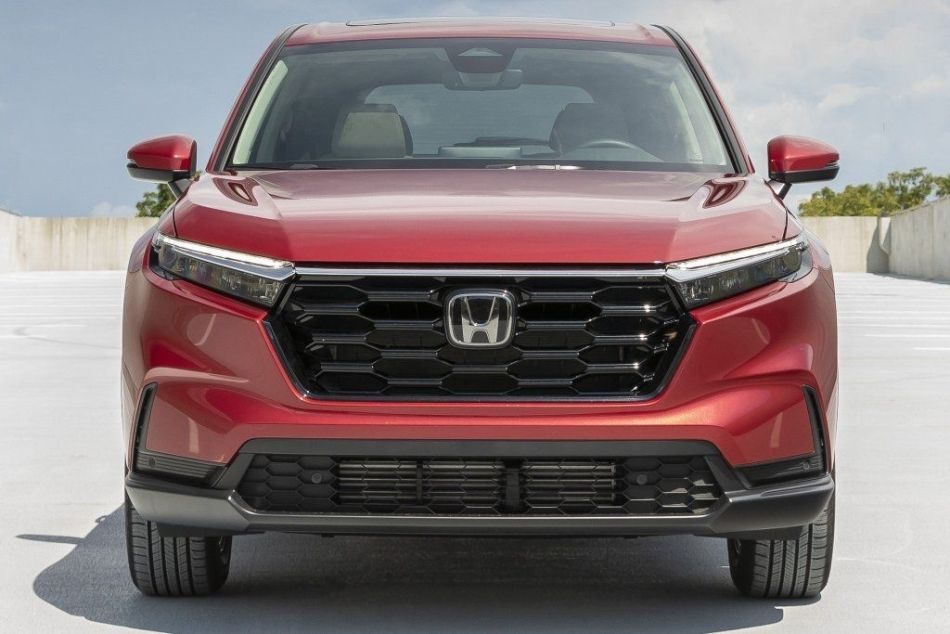
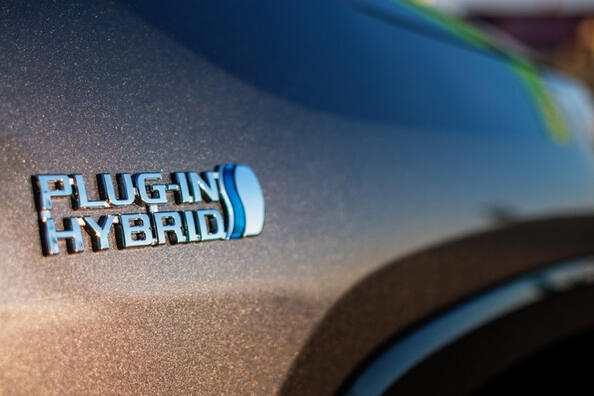
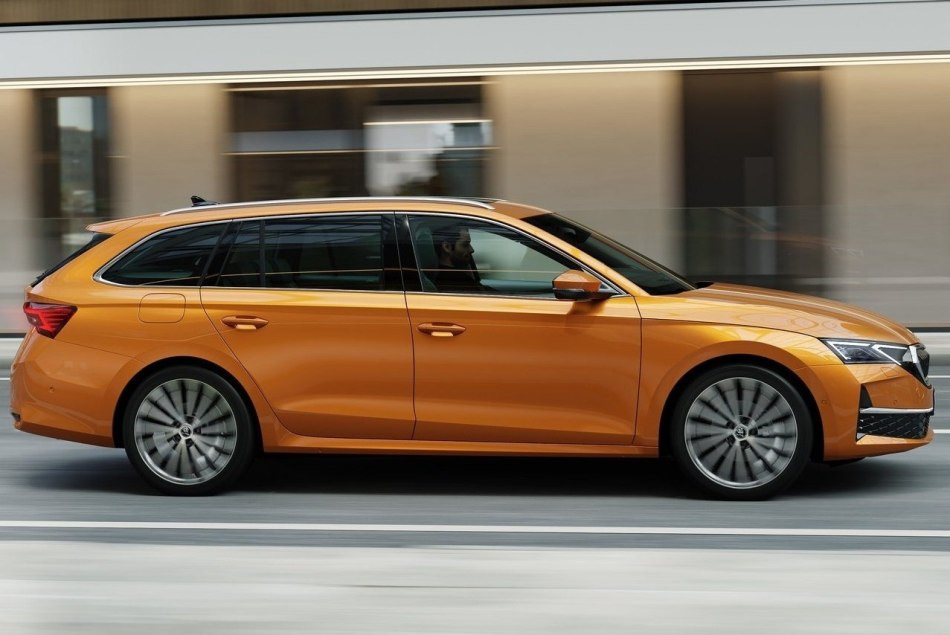
Hybrid cars are becoming increasingly popular due to their combination of economy and environmental friendliness. In this article, we will consider the advantages and disadvantages of using hybrid cars to help you make an informed decision. You can improve your car and add individuality to it thanks to tuning , a wide range of which is available in our product catalog.
Advantages of hybrid cars
- Fuel economy: Hybrids consume significantly less fuel, especially in urban driving, thanks to the use of the electric motor at low speeds and regenerative braking.
- Emission reduction: reducing fuel consumption directly affects the reduction of CO2 emissions and other harmful substances into the atmosphere.
- Environmental benefits: In some countries and regions, hybrid owners are offered tax breaks, parking discounts, and other benefits.
- Quiet operation: the electric motor operates almost silently, which ensures comfort when driving in the city.
Disadvantages of hybrid cars
- High cost: Hybrid cars tend to be more expensive than similar models with internal combustion engines due to the complexity of the design and the presence of additional components, such as a battery and an electric motor.
- Complex maintenance: Maintaining hybrids requires skilled professionals and specialized equipment, which can increase the cost of repairs.
- Battery replacement: Over time, a hybrid car's battery wears out and needs to be replaced, which is a fairly expensive procedure.
- Smaller trunk: Due to the location of the battery, the trunk volume of hybrids may be smaller than that of cars with internal combustion engines.
Conclusion
Hybrid cars are a compromise between traditional internal combustion engines and electric vehicles. They provide fuel economy and lower emissions, but they also have their drawbacks, such as high cost and complex maintenance. When choosing a hybrid car, you need to weigh the pros and cons, taking into account your needs and capabilities.