18.11.2025
862
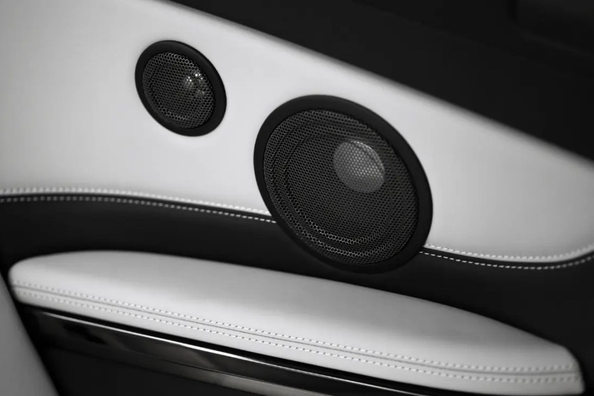

Clean sound in your car — the key to enjoyable trips, but speaker crackling can ruin the experience of your favorite tracks. Crackling is a sign of malfunction that should not be ignored: from simple dust buildup to serious damage. In this article, we’ll look at the causes and ways to fix it, from DIY to professional service. In addition, you can significantly improve and personalize your car by using tuning accessories, widely available in our product range.
Crackling occurs due to various factors:
Start with simple steps, no tools needed:
If you couldn’t fix the problem yourself:
Prevention: Regular cleaning, moderate volume, protection from moisture. Crackling is not a verdict — timely repair will restore crystal-clear sound in a day.
Shipping to EU
Wholesale and retail
Own warehouse
Опис продукту
Подарунки не надаються при оформленні покупки у кредит під 0,01% або при покупці частинами.