Frequently asked questions
Which bumper protector should I choose — straight or with a bend?
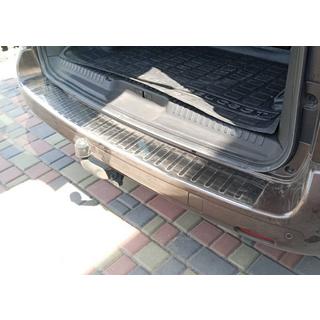
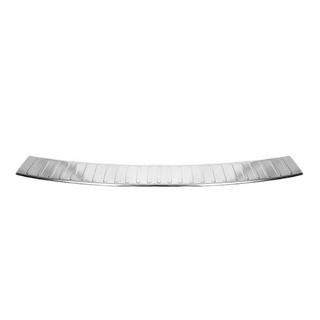
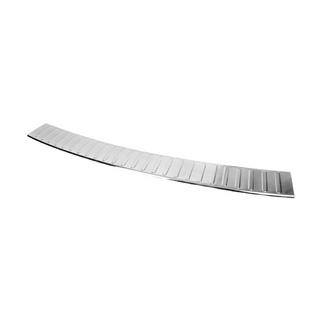
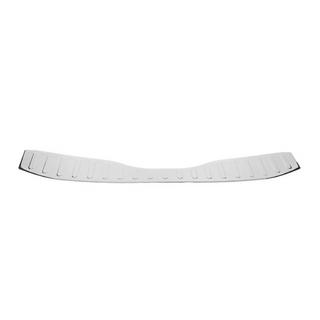
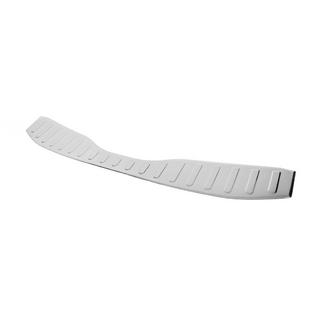
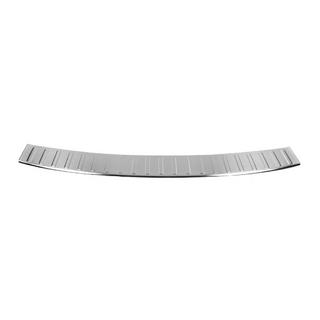
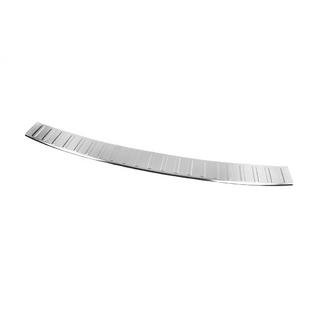
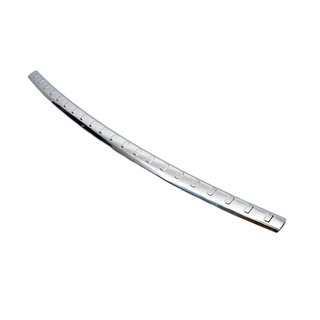
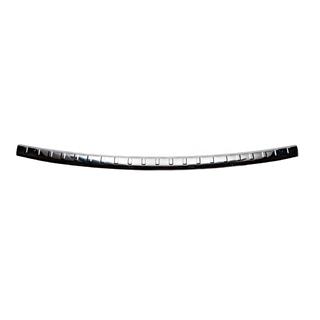
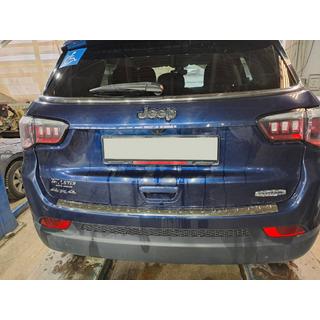
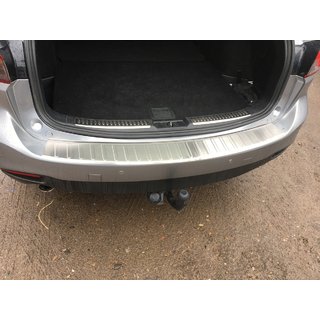
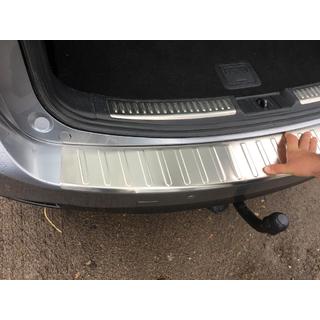
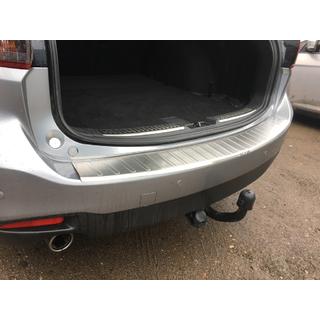
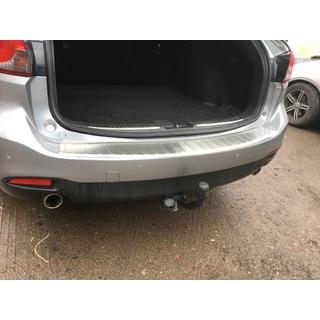
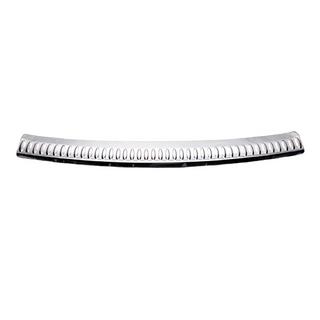
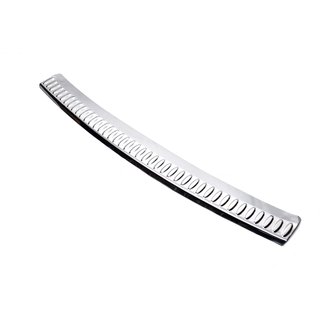
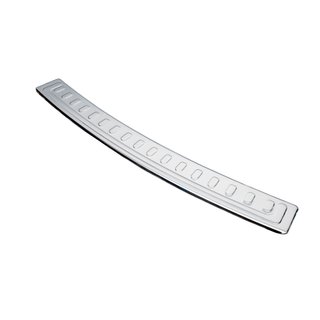
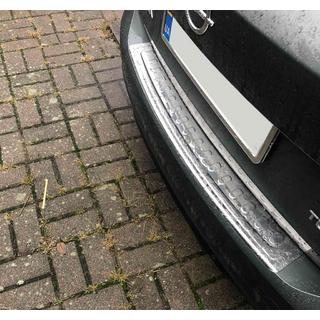
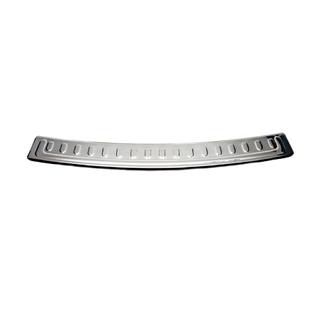
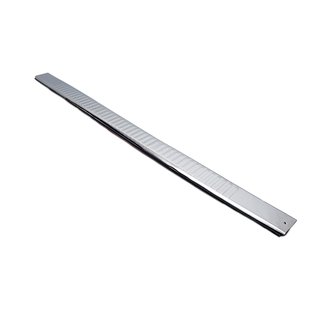
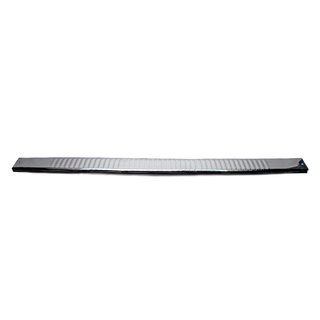
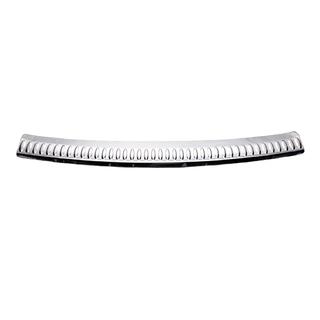
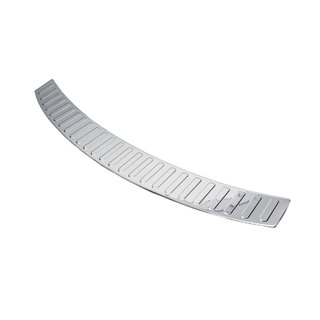
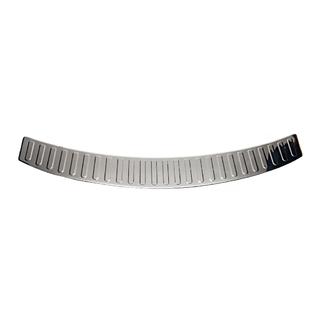
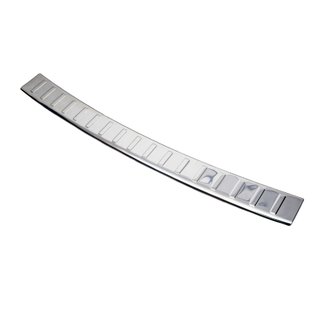
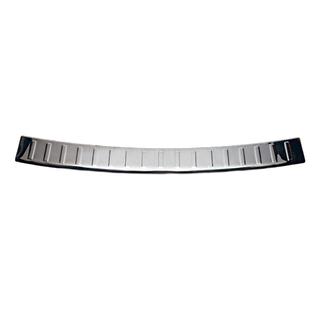
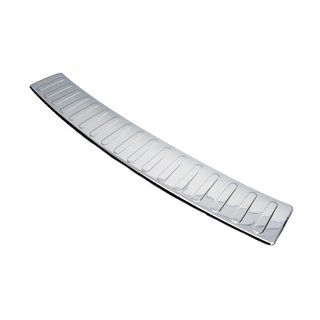
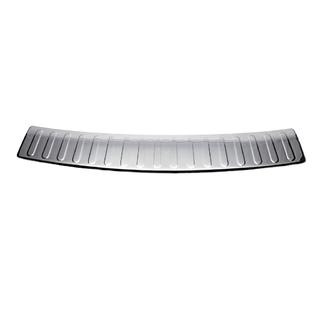
A straight one lies only on the upper surface of the bumper. A protector with a bend has a folded edge and additionally covers the bumper edge, which is most often hit during loading. Which shape is right for your model can be seen from the name and photos.
What is better for a bumper — stainless steel or ABS plastic?
Stainless steel is stronger and can be polished, but it is often narrower. ABS is lighter, often covers almost the full width of the bumper, and can be black or matte. The material is listed in the name and specifications.
Will a protector from a hatchback fit a wagon or sedan?
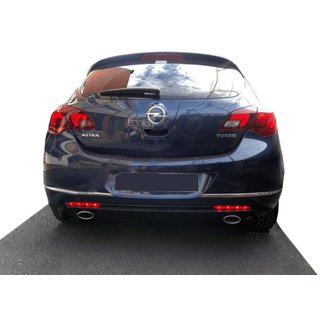
No, different body types have different rear bumpers. Choose a protector marked for your body type — HB, SW or sedan — and check the production years.
Are a bumper protector and a trunk sill protector the same thing?
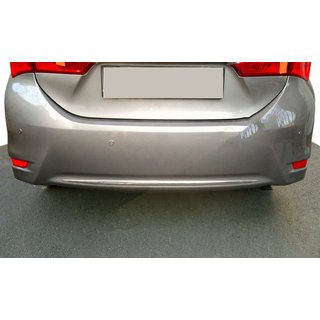
No. A bumper protector is attached on the outside to the top of the rear bumper, while a trunk sill protector is attached to the plastic sill inside the cargo area. These are different products.
What do V1 and V2 mean in the product name?
These are different shape and size options for the same model. Compare the length and width in the center and at the edges in the specifications with your car’s bumper.
Will a protector hide scratches on the bumper?
Only those that fall under its contour. It will not cover cracks, dents, or damaged paint outside the protector, so it is better to repair a damaged bumper first.