10.05.2025
352
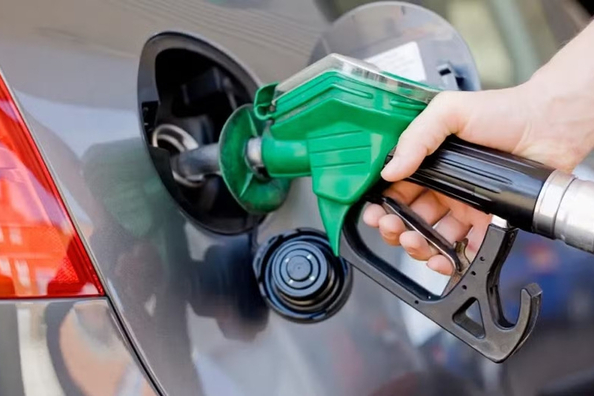

Fuel economy is an important factor when choosing a car, especially given the rising prices for gasoline and diesel. One of the key parameters affecting consumption is the type of drive. Let's figure out which drive is considered the most economical and why. In addition, you can improve your car and improve its functionality using tuning , the accessories of which are available in our product catalog.
Front-wheel drive dominates mass-market models due to:
Rear-wheel drive is more common in sports and premium cars:
All-wheel drive provides stability, but:
Front-wheel drive is the leader in fuel economy, especially for city cars. Rear-wheel drive and all-wheel drive are more suitable for specific tasks, but lose out in costs.
Shipping to EU
Wholesale and retail
Own warehouse
Опис продукту
Подарунки не надаються при оформленні покупки у кредит під 0,01% або при покупці частинами.