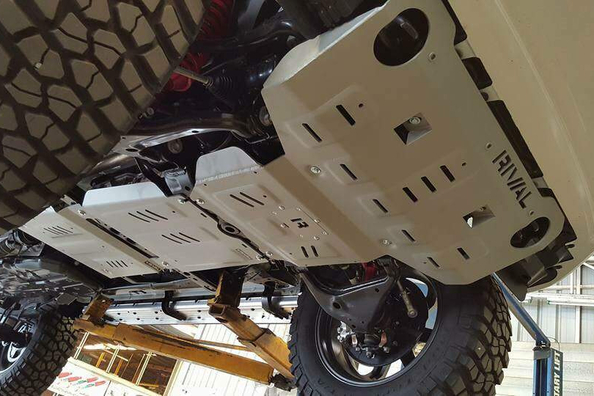
The car underbody — one of the most vulnerable yet least visible parts of a vehicle. It takes the main impact from road irregularities, flying stones, dirt, and aggressive chemical agents. Underbody protection (often understood as engine sump guard) — is an essential element of tuning and safety that prevents serious and costly damage.
Main function: Mechanical protection
The main purpose of additional protection is to create a strong barrier between the road and the vehicle’s vital components. The protective plate absorbs impacts, preventing:
- Engine oil pan damage: The oil pan is a thin-walled reservoir for engine oil. Hitting a stone or ice chunk can puncture it, causing an oil leak that almost instantly leads to major engine repair or replacement.
- Transmission and gearbox damage: On many vehicles, the protection covers not only the engine but also the gearbox (automatic or manual), shielding its housing and components.
- Steering rack and radiator damage: Off-road or on poor roads, the protection helps safeguard low-mounted steering and cooling components.
Additional benefits of protection
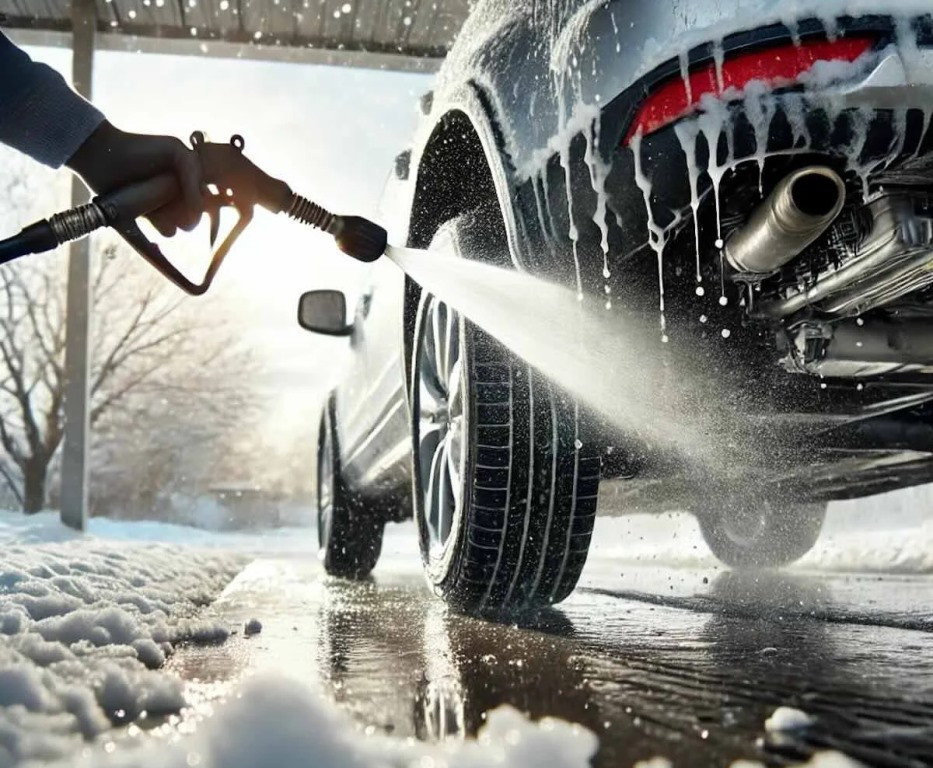
- Protection from dirt, dust, and moisture: The plate prevents dirt and moisture from entering the engine bay, which can cause corrosion, contact oxidation, and electrical malfunctions.
- Anti-corrosion barrier: In winter, the protection prevents direct exposure of metal body parts to salt and chemical reagents, slowing down corrosion.
- Thermal insulation: Especially in winter, the underbody protection helps retain heat in the engine bay, allowing the engine to warm up faster and cool down more slowly.
Conclusion: Underbody protection is an insurance that pays off with the first strong impact, saving the most expensive components of your car.