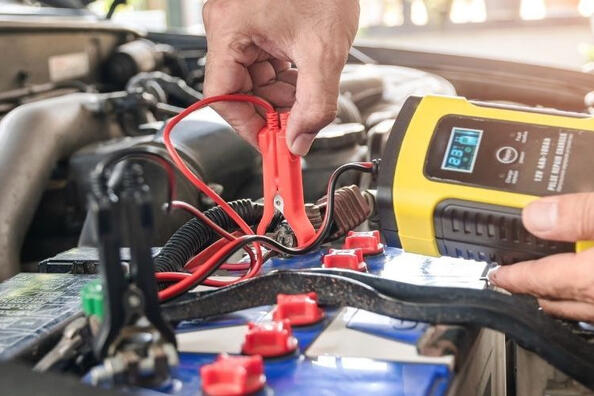
Starting the engine, lighting and the functioning of many electronic devices depend on the proper operation of the battery. But, like any component, a car battery is subject to wear and tear and aging. To avoid unpleasant surprises and extend its service life, regular diagnostics are necessary. Why is it so important? Let's figure it out. To improve your car and make it more functional, we also recommend using tuning accessories from our online store.
Why battery diagnostics are necessary
- Preventing sudden failures: Diagnostics allows you to detect hidden battery problems at an early stage, before it completely fails at the most crucial moment.
- Extending battery life: Timely maintenance and troubleshooting minor faults identified by diagnostics can significantly extend battery life.
- Save money: Regular diagnostics help avoid expensive battery replacement due to premature wear, and also prevent possible damage to other vehicle systems associated with a faulty battery.
- Safety: A faulty battery can cause problems with electrical equipment, including lighting and vehicle safety systems, which directly affects driving safety.
What is checked during battery diagnostics
- Charge level: An estimate of the battery's current charge and its ability to hold a charge.
- Voltage: Measure the battery voltage under load and without load to assess its overall condition.
- Starting current: Checking the battery's ability to provide the necessary starting current to start the engine.
- Electrolyte condition (for serviced batteries): Assessment of electrolyte level and density.
- Condition of the housing and terminals: Visual inspection for damage, cracks, oxidation of the terminals.
In conclusion: Regular diagnostics of the car battery is not a whim, but a necessary procedure for every car owner. It allows you to be confident in the reliable operation of the car, avoid troubles on the road and save money in the long run.