

































































 Author: Radomskyi Maksym Vasyliovych
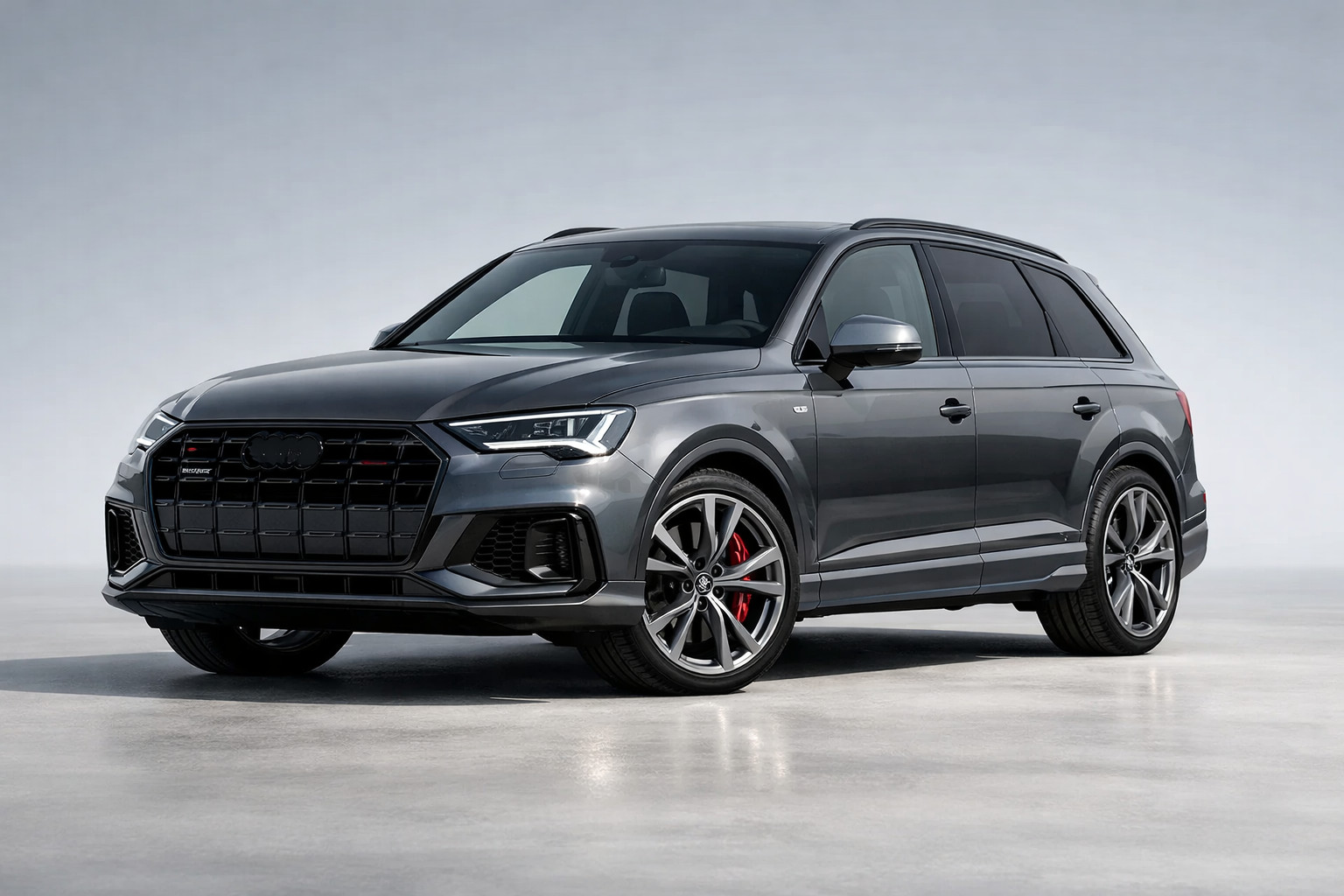
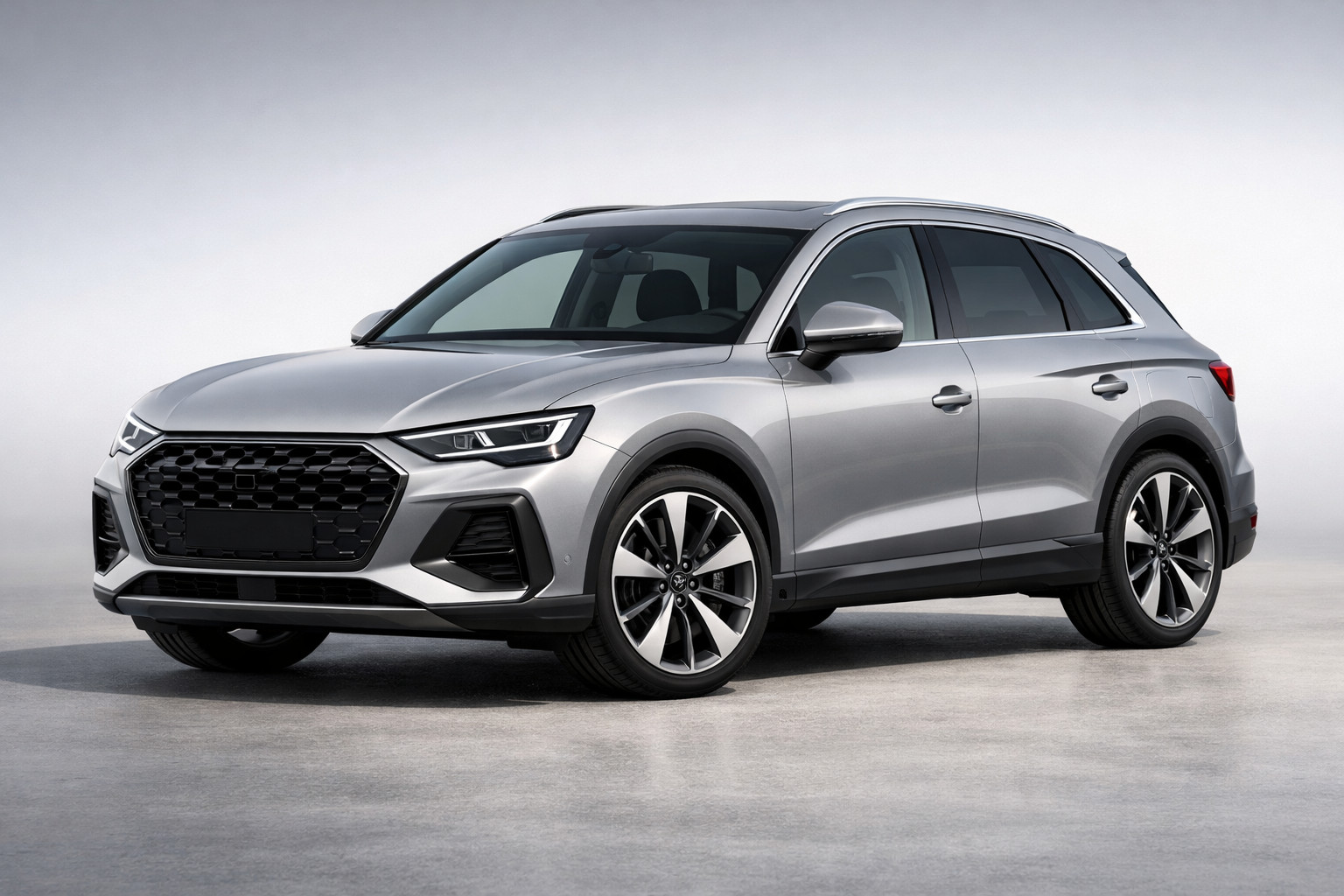
The new Audi Q5 2026 is the model’s third generation on the PPC platform, and the biggest change here isn’t flashy promises but the car’s overall logic: a quieter cabin, more precise handling, quattro all-wheel drive as standard, and a more digital interface. For the U.S. market, the base version gets a 2.0-liter TFSI with 268 hp and 400 N·m, a 7-speed S tronic, and a stated fuel consumption of 11.2 / 8.1 / 9.8 L per 100 km in city, highway, and combined driving.
At the same time, the Q5 2026 hasn’t become a trouble-free benchmark. It’s praised for quietness, space, and its composed feel on the move, but criticized for an overreliance on touch controls, some simpler cabin materials, and early software glitches. That’s why before buying, it’s important to understand not just the numbers, but how this car behaves in everyday life.
The model and its place in the market
The Audi Q5 remains one of the key players in the crowded premium crossover segment. In the U.S., the starting price for the Q5 is listed from $52,800, and for the Q5 Sportback from $55,100—meaning the model enters a territory where buyers expect not just good performance, but real day-to-day convenience: quietness, sensible infotainment, a usable second row, and strong safety assists.
The Q5 2026 is best for those who need an all-around family crossover without sporty harshness and without stepping up to a large SUV. It’s not the best choice for anyone who wants the maximum number of physical buttons, the lowest fuel consumption in the class, or the largest cargo area among rivals.
Generations and model history
The Q5 is no newcomer: the model has already gone through three generations, but it’s the third generation that became a serious technical reset. It became the brand’s first SUV on the PPC platform, and for the 2026 model year in the U.S. received updated hardware and software equipment.
| Generation | Years | What matters |
|---|---|---|
| First | 2008–2017 | The model’s start as a premium family crossover focused on comfort and all-wheel drive. |
| Second | 2017–2025 | A more mature, more mainstream Q5 that закрепив the model among the segment leaders. |
| Third | from 2024/2025 depending on the market; 2026 in the U.S. is an updated model year | New PPC platform, a different electronics suite, a more digital cabin, and electrified powertrain variants. |
Engines and transmissions
When it comes to engines, it’s important not to mix markets. For the U.S., it’s straightforward: a confirmed 2.0-liter turbo gasoline TFSI with 268 hp and 400 N·m paired with a 7-speed S tronic and standard quattro. In Europe, the range is broader, but in the official summaries provided the displacement isn’t spelled out for each version, so for a specific vehicle you need to check the spec for your own market.
| Version | Power and torque | What we know |
|---|---|---|
| U.S.: 2.0 TFSI | 268 hp, 400 N·m | 7-speed S tronic, quattro all-wheel drive, base powertrain layout for Q5 and Q5 Sportback. |
| Europe: gasoline versions | 204 hp, 340 N·m; 272 hp, 400 N·m | There are front-wheel-drive and all-wheel-drive options; stated fuel consumption depends on the modification. |
| Europe: diesel | 299 hp, 580 N·m | All-wheel drive, mild-hybrid with additional electric assistance. |
| Europe: plug-in hybrid | 220 kW, 450 N·m | Battery 25.9 / 20.7 kWh depending on the calculation method, with a focus on short electric-only trips. |
In practical terms, the American 2.0 TFSI looks like the sweet spot: 400 N·m is enough for city and highway driving, and the gearbox and all-wheel drive are already part of the base model logic. But for a buyer in Europe, the choice is more interesting: it makes sense to think not only about performance, but also about a diesel or a hybrid for your own driving pattern.
Body, dimensions, and chassis
The third Q5 didn’t grow dramatically, but it looks more grown-up and feels more composed on the road. Early tests specifically note that the car pushes its nose wide less in corners, and the steering has become more precise. For some trims, an adaptive air suspension is available—and it’s exactly what delivers the comfort level Q5 is often chosen for.
There’s a nuance with the numbers: global and U.S. measurements differ slightly. That’s normal for different methodologies, so it’s better not to argue over a few centimeters, but to focus on the substance: the cabin is spacious, the wheelbase is about 2.82 m, and the cargo area is in any case sufficient for a family use case. Official ground clearance is not listed in the verified data for 2026.
| Parameter | Data |
|---|---|
| Length × width × height | 4 680 × 1 890 × 1 660 mm or 4 717 × 1 900 × 1 669 mm depending on market and measurement method |
| Wheelbase | 2 820 mm or 2 817 mm |
| Cargo volume | 580–1 580 L or 782–1 611 L depending on measurement method |
| Curb weight | 1 910 kg |
| Fuel tank | 65.1 L |
| Maximum towing capacity | 1 996 kg with the correct configuration |
| Drag coefficient | 0.30 |
| Ground clearance | Not officially specified in verified data |
| Seating capacity | 5 |
Interior, comfort, and safety
The interior has become noticeably more screen-focused: an 11.9-inch instrument panel, a 14.5-inch central MMI, a 10.9-inch front passenger display, wireless smartphone integration, remote start, and even a 4K dashcam. On paper it looks strong, and some of these solutions are genuinely useful—especially if you drive highways often or like remote phone-based functions.
But there’s a flip side. Climate control and some basic actions are buried in the touch interface, and the touch elements on the steering wheel aren’t for everyone. In terms of perceived quietness, the Q5 is very good: its sound insulation and overall calmness at speed give it the premium character people expect. On safety, the set is strong: blind-spot monitoring, lane departure warning, rear automatic braking, and this generation earned top scores in key crash tests—though for the U.S. rating, the build date after July 2025 matters.
Everyday use
In daily life, the Q5 2026 is strong where it truly matters: an easy seating position, a roomy second row, a flexible rear bench, a decent driving range, and excellent quietness on the highway. For the U.S. 2.0-liter version, combined fuel consumption is stated at 9.8 L per 100 km, and highway range can reach roughly up to 800 km if you drive calmly.
For a family, two things are especially useful: the wide range of cargo-area configurability and the ability to tow up to 1 996 kg. But it’s worth being honest about the downsides too. The Q5 isn’t a class leader in efficiency, and the cargo area’s real hauling potential isn’t a record compared to some rivals. If you’re sensitive to minor software glitches or can’t stand extra screen taps while driving, this is something to check right from your first hands-on experience.
Strengths and weaknesses
| Pros | Cons |
|---|---|
| Very quiet and comfortable on the highway | Many basic functions have been moved into the touch interface |
| More precise handling than the predecessor | Some cabin materials feel simpler than you’d expect for the money |
| Spacious cabin and a flexible rear bench | Fuel consumption isn’t the best in the segment |
| Strong safety and driver-assistance package | The cargo area isn’t a class record |
| Good all-around usability for trips and towing | There are early signs of software glitches and false system alerts |
From an owner’s perspective, this means something simple: the Q5 2026 is strong as a daily all-rounder with a premium sense of quietness and composure, but not as a car for those who want maximum simplicity in the interface. If physical buttons, minimal electronic surprises, and the best fuel efficiency are important to you, it’s worth comparing very carefully.
Tuning and accessories
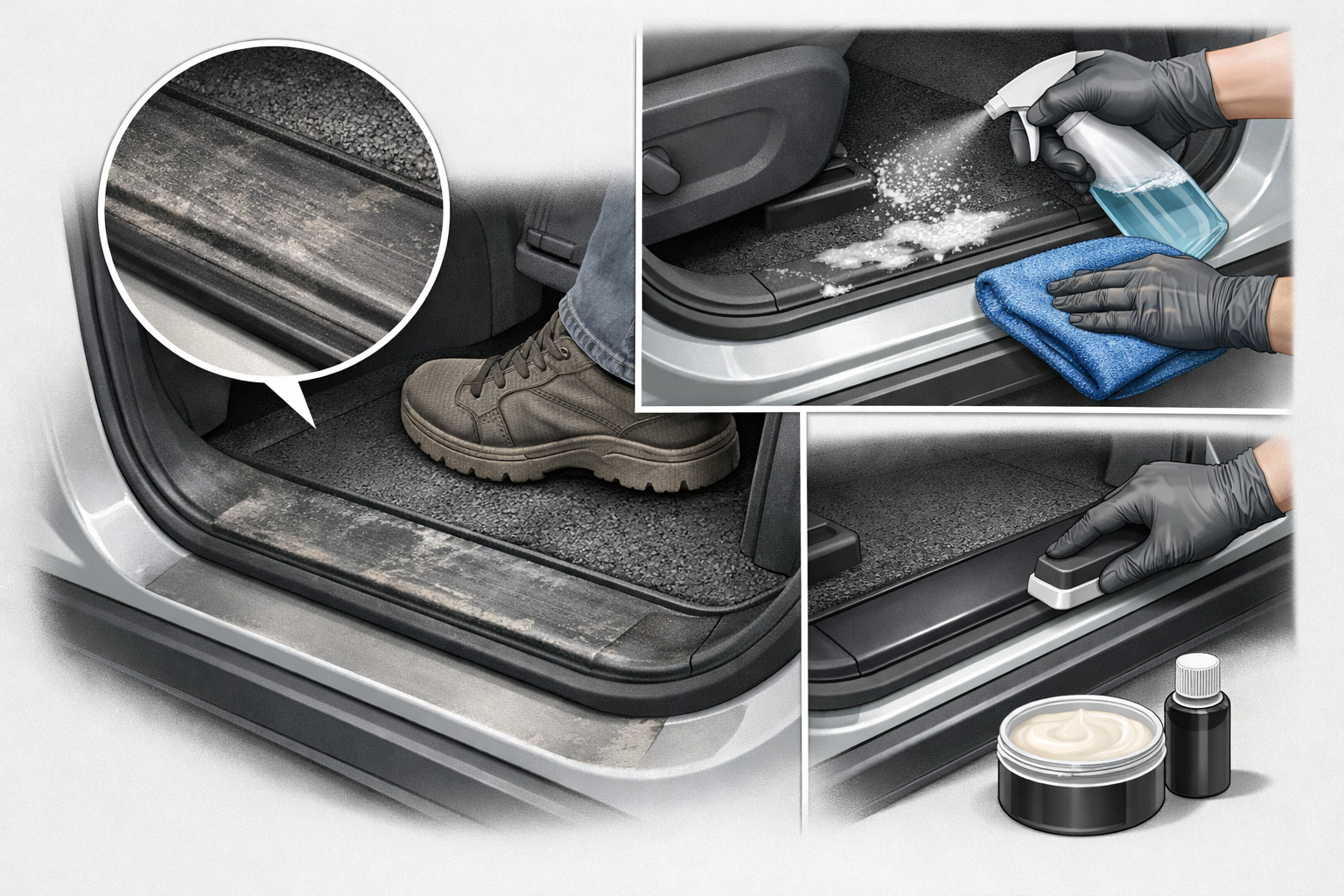
With the Q5 2026, the point isn’t showy body kits but practical items: cargo-area protection, neat paint protection on the rear bumper, roof solutions, and everyday interior accessories. This is exactly the kind of crossover often bought for a family, long trips, a stroller, a bike, or winter gear—so utilitarian upgrades bring more value than decorative tuning.
For the new generation, accessory compatibility should be checked separately by body version, because the assortment for a fresh model always fills out gradually. But by type, Q5 owners most often look at these items:
What to check out for this model
- Rubber trunk mat — useful if you regularly carry a stroller, scooter, suitcases, or wet items after a trip.
- Roof rack and crossbars — needed for a roof box, bikes, and long journeys when you don’t want to stuff the cabin with gear.
- Rear bumper protector — reduces the risk of scratches if the trunk is opened several times a day and the car lives an active family life.
Conclusion
The Audi Q5 2026 has become more grown-up and more technical: a quiet cabin, a well-sorted ride, a strong safety package, solid pull from the base engine, and sensible family versatility. Its weak points are also clear in advance: touch dependence, not the best efficiency, and questions around some early electronic quirks. If you need a premium crossover without unnecessary pomp but with real everyday convenience, the Q5 looks strong. This piece is based on real selection experience, hands-on trim evaluation, and real-world usage scenarios—not just glossy brochure numbers.
Pros and cons
The quiet cabin and good sound insulation at speed make the Q5 convenient for daily commutes and highway trips.
The handling has become more precise, and in corners the car feels more composed than its predecessor.
The spacious cabin and flexible rear bench are well suited for family use and carrying passengers in the second row.
A strong set of safety systems and assist features adds practical value in the city and on the highway.
It offers good versatility for travel and towing: the cargo area is adaptable, and the maximum towing capacity reaches 1,996 kg.
Many basic functions have been moved to the touchscreen interface, so controlling the climate and other actions is less convenient while driving.
Some interior materials look simpler than you would expect from a car in this price range.
Fuel consumption is not the best in the segment, especially compared with more economical rivals.
The trunk is not class-leading in size, so there are stronger options for carrying maximum volumes.
The article mentions early software glitches and false system warnings, so the electronics should be checked before purchase.