11.05.2019
13790
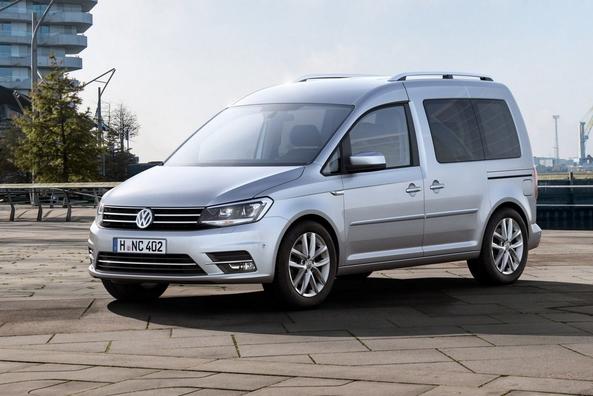

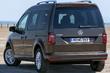

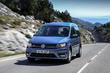
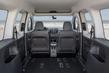
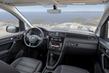
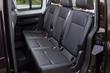
Volkswagen Caddy 4 is a compact van and minivan produced from 2015 to 2020 at the plant in Poznan. Technically, it is a major update of the 2K body from Caddy 3 (2003–2015): a new front end, interior, Euro 6 engines and safety systems, while the base, doors and glass remained the same. The successor, Caddy 5 (from 2020), is already a completely different vehicle on the MQB platform. Below is how to tell the three generations apart, what engines Caddy 4 had, what to check on the used market and how to choose accessories.
Contents
Volkswagen numbers Caddy generations as follows: third — 2003–2015 (2K body, with a facelift at the end of 2010), fourth — 2015–2020, fifth — from 2020 (SB body). In reference guides, Caddy 4 is sometimes called the “second facelift of 2K” or 2K SA — due to the shared base with Caddy 3. For choosing parts, they count four periods: 2004–2010, 2010–2015, 2015–2020 and 2020+.
| Parameter | Caddy 3 | Caddy 4 | Caddy 5 |
|---|---|---|---|
| Years | 2003–2015 (facelift at the end of 2010) | 2015–2020 | from 2020 |
| Index, platform | 2K, Golf V and Touran components | 2K (updated, 2K SA) | SB, MQB |
| Length / wheelbase, mm | ≈4 405 / 2 682 | 4 408 / 2 682 | 4 501 / 2 755 |
| Maxi: wheelbase, mm | ≈3 000 (from 2007) | ≈3 000 | ≈2 970 |
| Cargo volume, m³ | 3.2 / Maxi 4.2 | 3.2 / Maxi 4.2 | 3.3 / Maxi 4.0 |
| Diesels | 1.9 TDI, 2.0 SDI; from 2010 — 1.6 and 2.0 TDI (Euro 5) | 2.0 TDI 75–150 hp (Euro 6) | 2.0 TDI 75–122 hp with dual AdBlue injection |
| Petrol / gas | 1.6; from 2010 — 1.2 TSI; 2.0 EcoFuel (methane) | 1.0, 1.2, 1.4 TSI; 1.4 TGI (methane) | 1.5 TSI 116 hp; TGI 130 hp |
| Rear suspension | leaf springs | leaf springs | springs with Panhard rod |
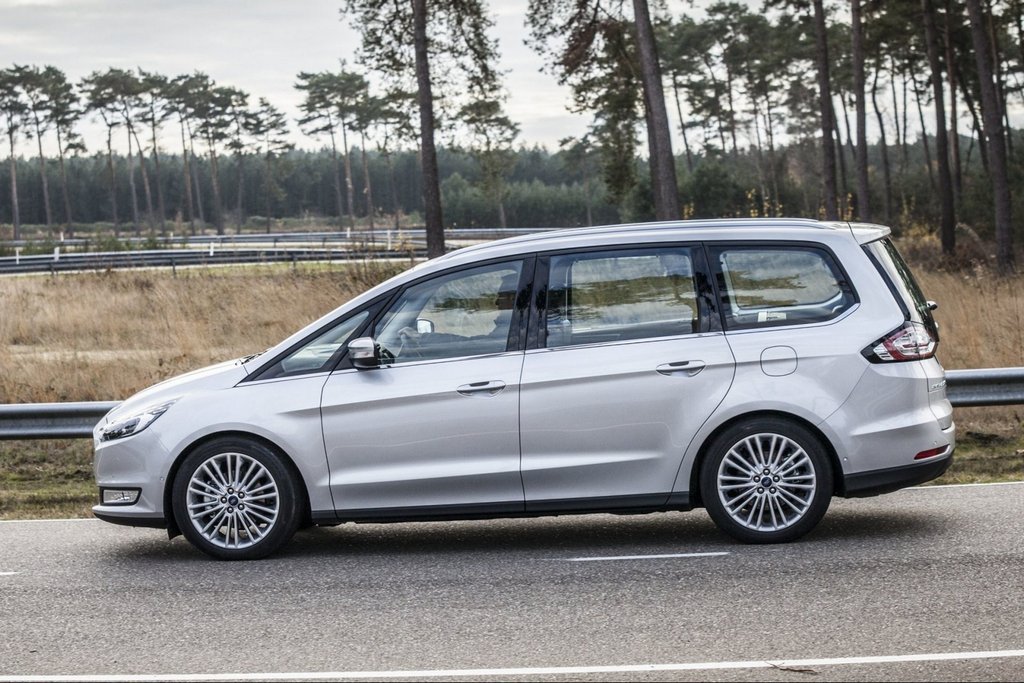
The easiest way to tell Caddy 4 from Caddy 3 2010–2015 is from the front: the fourth has headlights with a pronounced horizontal line that continues into the grille, a different bumper and a roof spoiler. From the side, they are almost identical.
Volkswagen unveiled Caddy 4 in February 2015, and the Maxi version on 4 March 2015 in Geneva. Three things changed.
The bodies are the same as before: cargo van, Kombi, passenger Caddy Life (5 or 7 seats) and the off-road-styled Alltrack (from 2015). Over 2015–2020, Volkswagen produced 722 thousand Caddy 4 vehicles.
Transmissions are manual or DSG robotic, which was offered for more powerful engines. 4MOTION all-wheel drive was fitted with the 2.0 TDI at 122 and 150 hp.
On the Maxi, the wheelbase is 32 cm longer, and the body is 470 mm longer. The cargo compartment of the van grows from 3.2 to 4.2 m³ (length 2 249 mm versus 1 779 mm), and the passenger Maxi with a third row has up to 7 seats and 530 L of trunk space behind it. For the owner, this is important not only because of capacity: roof rails, side steps, arch trims, side moldings and rear-row mats differ for the standard wheelbase and the Maxi.
Caddy 4 was most often used as a commercial vehicle, so its condition depends on how it was loaded. According to the TÜV report and Auto Bild data, the weak points are:
Overall, the vehicle is reliable: in ADAC breakdown statistics, Caddy 4 holds good positions in all registration years. The most balanced choice is the 2.0 TDI with 102 or 122 hp; the 1.0 TSI is suitable for the city. When buying a Caddy 3 2010–2015 with 1.6 or 2.0 TDI, find out whether it has had the EA189 engine service campaign (dieselgate).
Caddy 5 was unveiled on 20 February 2020, and went on sale in the fourth quarter of 2020. For the first time it is based on the MQB platform: 93 mm longer, 62 mm wider, wheelbase 2 755 mm, and at the rear — springs with a Panhard rod instead of leaf springs. There are 19 driver-assistance systems, including Travel Assist, a digital cockpit and a screen up to 10 inches, aerodynamic drag decreased from 0.33 to 0.30, and fuel consumption according to VW is up to 12% lower. The body is new, so accessories from Caddy 4 do not fit it — the catalog has a separate section for it.
On the Volkswagen Caddy 2015–2020 tuning page, everything for the fourth generation is collected; for the third — separate sections Caddy 2010–2015 and 2004–2010, for the fifth — Caddy from 2020. Before ordering, determine four things:
Wind deflectors for Caddy 2015–2020 come as stick-on (with tape) and in-channel (under the seal); for doors with power windows, stick-on ones are more convenient. There is a separate article about winter grille covers for Caddy 3 — upper, lower or both.
We deliver with Nova Poshta across all of Ukraine.
Shipping to EU
Wholesale and retail
Own warehouse
Опис продукту
Подарунки не надаються при оформленні покупки у кредит під 0,01% або при покупці частинами.