

































































 Author: Radomskyi Maksym Vasyliovych
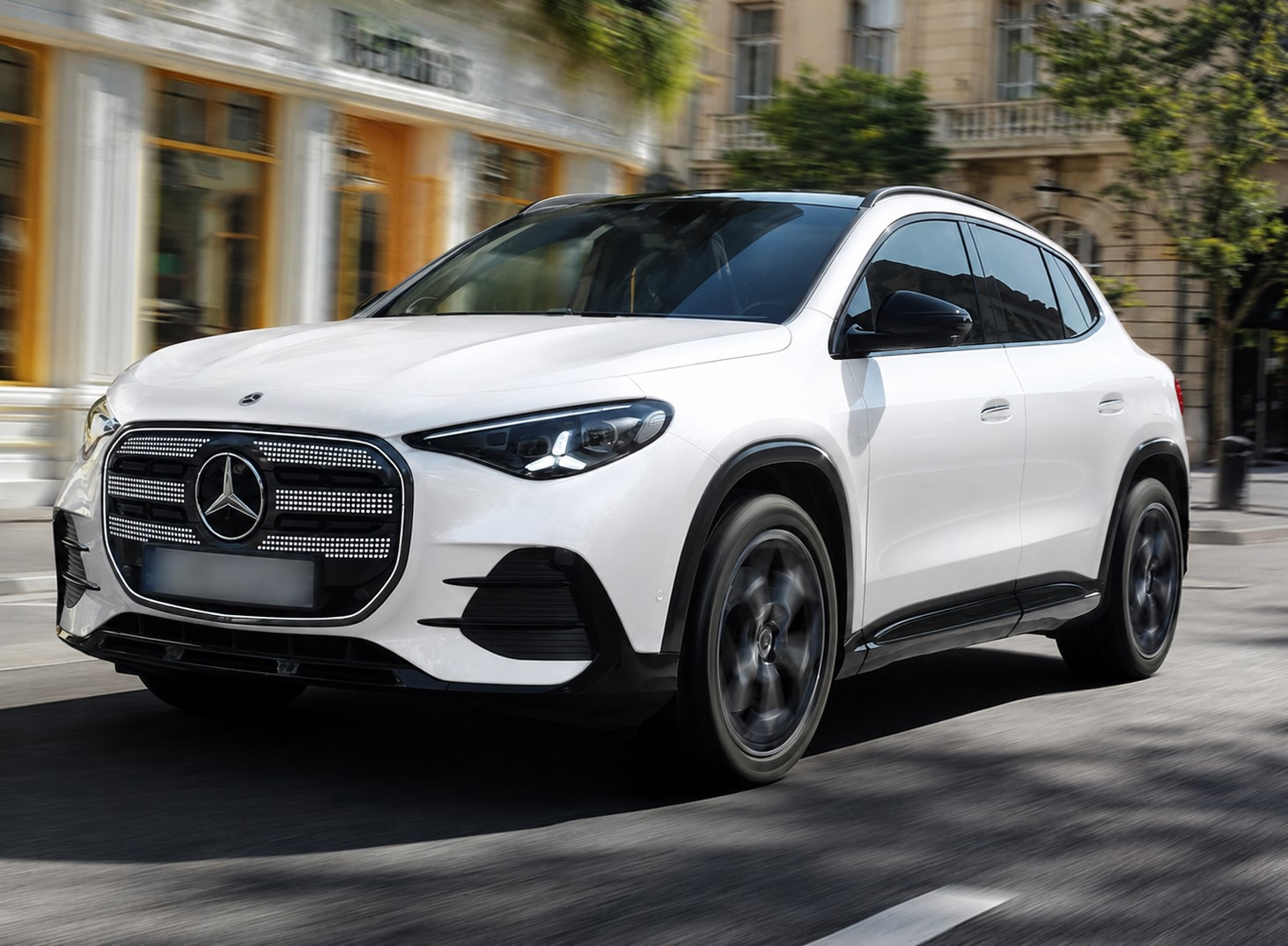
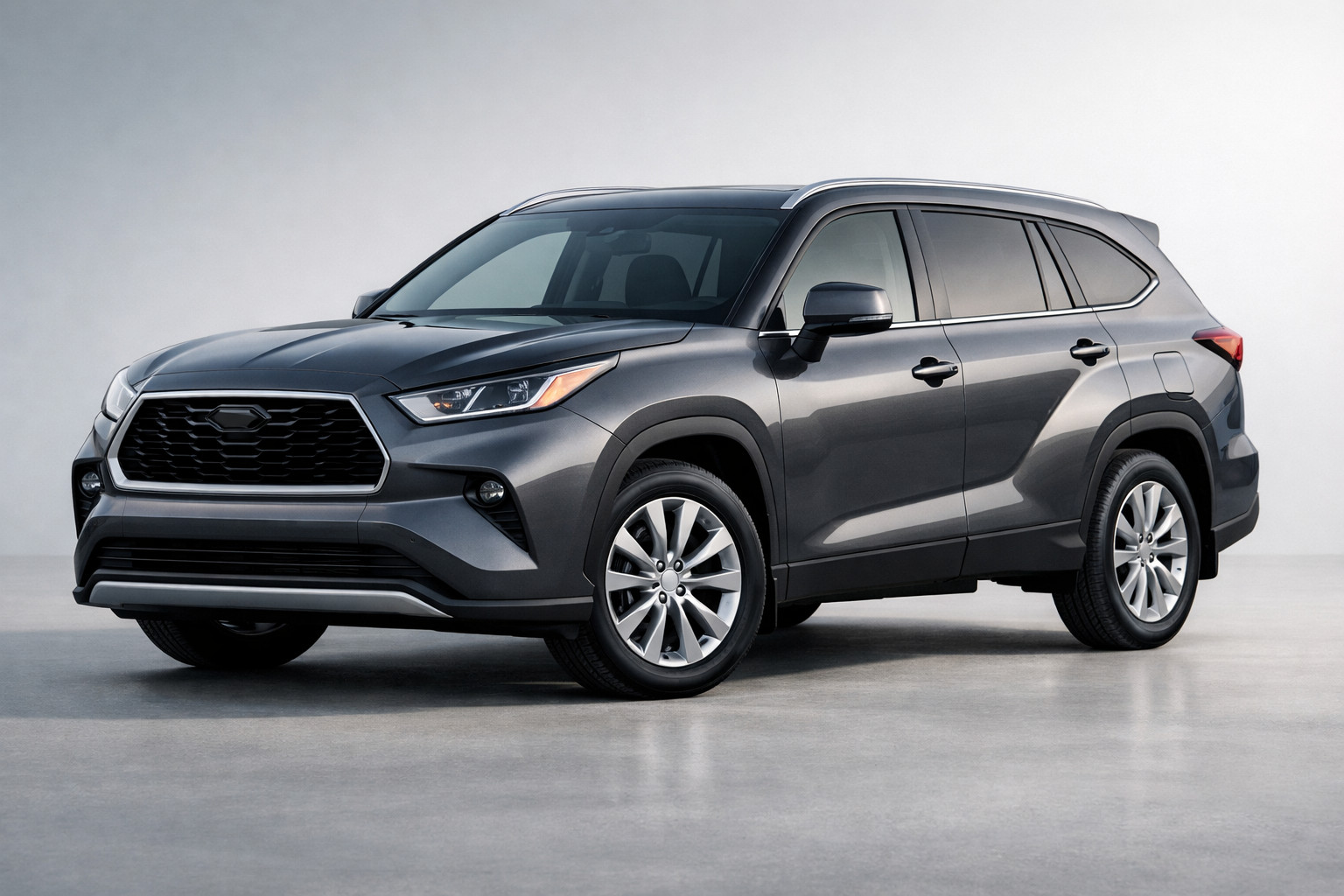
Toyota Highlander IV generation is a large family crossover for those who need three rows, calm highway manners, a decent amount of space, and no unnecessary drama in daily use. Its strength isn’t driver excitement, but the way it covers typical family tasks: school runs, city driving, highway trips, vacations, winter travel, luggage, and kids’ stuff.
The key nuance of this model is the different markets. For Europe and part of the official deliveries, the hybrid is more common; for vehicles from the USA, the engine lineup is broader. So before judging a specific car, it’s important to look not only at the model name, but also at the year, the origin market, and the powertrain.
The model and its place in the market
Highlander IV plays in the large family crossover segment, where buyers usually choose not between “fast” and “slow,” but between space, running costs, resale value, and everyday convenience. In feel, it’s closer to practical family transport than a pseudo off-roader: high seating position, lots of air in the cabin, predictable ergonomics, and a softly tuned suspension.
Who it suits: families with two or three kids, those who often drive on the highway, carry a stroller, bikes, suitcases, or sports gear. Who it’s not ideal for: people who want a compact car for tight city streets, sharp steering, or genuine off-road capability beyond asphalt.
Generations and model history
The Highlander has been produced since the early 2000s, and each generation became larger and more family-oriented. The fourth generation debuted in 2019 as a 2020 model year for some markets.
| Generation | Production years | Briefly about the changes |
|---|---|---|
| I generation | 2000–2007 | Model launch, focus on car-like comfort and space |
| II generation | 2007–2013 | The vehicle grew larger, more family-oriented versions appeared |
| III generation | 2013–2019 | Noticeable growth in dimensions, more modern safety systems |
| IV generation | since 2019 | Newer body architecture, more focus on hybrid versions, better rigidity and cabin quietness |
Within the IV generation there are also updates by year and market. The most noticeable difference is the powertrains: early gasoline versions for North America and later updated variants differ not only in power figures, but also in the car’s overall character.
Engines and transmissions
In Highlander IV there is no single universal engine lineup for all countries. That’s why on the used market it’s important to verify the exact trim, rather than rely on general assumptions about the model.
| Engine | Power | Transmission | Practical character |
|---|---|---|---|
| 2.5 L hybrid | 243–248 hp | hybrid e-CVT | Best suited for the city, relaxed highway driving, and lower fuel consumption |
| 3.5 L gasoline V6 | 295 hp | 8-speed automatic | Even pull, comfortable on the highway, better reserve when fully loaded |
| 2.4 L turbo gasoline | 265 hp | 8-speed automatic | Later updated versions, more low-end torque, but a different character compared to the V6 |
For Ukraine and Europe, the most typical scenario is the 2.5-liter hybrid. For cars from the USA, the 3.5-liter V6 is more common, and in updated years — the 2.4-liter turbo engine. If the car is imported, it’s worth checking the VIN to avoid mixing up the year, engine, and market specification.
Body, dimensions, and chassis
Highlander IV is a truly large vehicle. That’s a plus for space, but it takes getting used to when parking and maneuvering in courtyards.
| Parameter | Value |
|---|---|
| Length | about 4950 mm |
| Width | about 1930 mm |
| Height | about 1730 mm |
| Wheelbase | 2850 mm |
| Ground clearance | approximately 203–205 mm |
| Number of seats | 7 or 8 depending on version |
| Trunk behind the third row | about 456 L |
| Trunk with the third row folded | approximately 1150 L |
| Maximum volume | up to 2387 L depending on the measurement method |
| Front suspension | MacPherson type |
| Rear suspension | multi-link |
| Drive | front-wheel drive or all-wheel drive depending on version |
Some figures may vary slightly depending on the market, wheels, and the way trunk volume is measured. In terms of ride, it’s a comfortable road-oriented crossover: on broken city pavement it feels pleasant, but in fast corners it immediately reminds you of its weight and tall body.
Interior, comfort, and safety
Inside, Highlander IV is strong specifically as a family tool. The second row is spacious, seating is comfortable, materials are generally solid, and the control logic is clear without a long adaptation. The third row is useful, but adults are comfortable there only for short trips; for kids or teens it fits much better.
Comfort depends a lot on the trim: higher-end versions offer better infotainment, seat ventilation, a surround-view camera, panoramic roof, power adjustments, and an expanded set of driver aids. On different markets you may find adaptive cruise control, automatic braking, lane keeping, blind-spot monitoring, and rear cross-traffic alert. It’s important not to assume all of this is present on every vehicle.
Everyday use
In daily life, Highlander IV wins with a roomy second row, a good seating position, a large trunk opening, and strong highway stability. The hybrid version makes more sense for the city and traffic jams; the gasoline V6 or 2.4 turbo are for those who drive long distances more often or regularly load the car to the limit.
There are also everyday compromises. The size is always noticeable, especially in older parking garages. All-wheel drive helps in winter and on wet dirt roads, but that’s not a reason to go where you need short overhangs, a low-range gearbox, or off-road tires.
- Before buying, it’s worth checking the service history, body condition after import, calibration of driver assistance systems, and the operation of all electronics.
- For the hybrid, the condition of the high-voltage system and a clean service history are important.
- For gasoline versions — the condition of the automatic transmission, the cooling system, and the absence of signs of hard towing use.
Strengths and weaknesses
From an owner’s perspective, Highlander IV is valued not for showiness, but for balance. It’s a vehicle that doesn’t tire you out every day and doesn’t force you to constantly adapt to it.
| Pros | Cons |
|---|---|
| Spacious second row and a usable third row | Large dimensions for a dense city |
| Comfortable everyday suspension | Steering without sporty sharpness |
| Hybrid versions are well suited to city driving | Different markets vary greatly in hardware and trims |
| Good resale value and a strong brand reputation | The third row for adults is more of a backup than a main one |
| Practical trunk and family-friendly interior | Fresh hybrid examples are usually not cheap |
From the owner’s point of view, the everyday advantages are the most noticeable: seating position, visibility, calm highway behavior, and the ability to get the family on the road without stress. The weaknesses are everyday too: the car is big, the third row doesn’t work miracles, and the difference between US and European versions requires attention when choosing.
Tuning and accessories
For Highlander IV, what makes the most sense isn’t decorative parts, but things that protect the interior every day and add functionality. This is exactly the case where floor mats, trunk protection, and roof solutions work better than random exterior tuning.
What to check out for this model
- Rubber floor mats — the first purchase for a family crossover, especially if the car often drives in rain, snow, and with child seats.
- Rubber trunk mat — useful for a stroller, suitcases, shoes after training, and any dirty cargo.
- Roof rack — a practical solution for long trips, skis, a bike, or a cargo box when you need to free up cabin space.
- Toyota Highlander selection — useful before buying if you need to verify the market, trim, and the real condition of a specific vehicle.
If you need to keep the basic reference for the generation itself, the address of this material is: Toyota Highlander IV generation review.
Conclusion
Toyota Highlander IV generation is a solid option for those who need a large family crossover without unnecessary complexity in everyday use. It looks most sensible where space, calm operation, traveling with the whole family, and a predictable character matter. But before buying, you must take into account the origin market, the specific engine, and the actual trim level. The conclusions in this material are based on real selection experience, practice, and typical usage scenarios, not only on catalog numbers.
Pros and cons
The spacious second row and usable third row make the Highlander convenient for a family with children and long trips. The cabin has enough room for children's things, a stroller, and luggage.
The comfortable suspension is well suited for daily driving and highway trips. On broken city roads, the crossover rides softly and does not tire the driver or passengers.
The hybrid version seems the most appropriate for the city and traffic jams. It has lower fuel consumption and a calmer character in everyday use.
The model has good resale value and a strong brand reputation. This matters if the car is not planned for just one year and with a view to future resale.
The trunk and cabin are well suited for family tasks. The large trunk opening and comfortable seating make daily loading and long trips easier.
The large dimensions are noticeable in the city, especially in tight parking spaces and old courtyards. You need to get used to the car if you drive every day in dense city traffic.
The steering lacks sporty sharpness, so the Highlander does not give exciting driving sensations. In fast corners, it reminds you of its mass and body height.
The third row is more of an emergency option than a full one for adults. It is suitable for short trips, but it will be cramped there on longer routes.
Different markets vary greatly in engines and trim levels, so it is easy to get the expectations wrong when buying. You need to especially carefully check the car's origin, year, and powertrain.