 Author: Radomskyi Maksym Vasyliovych
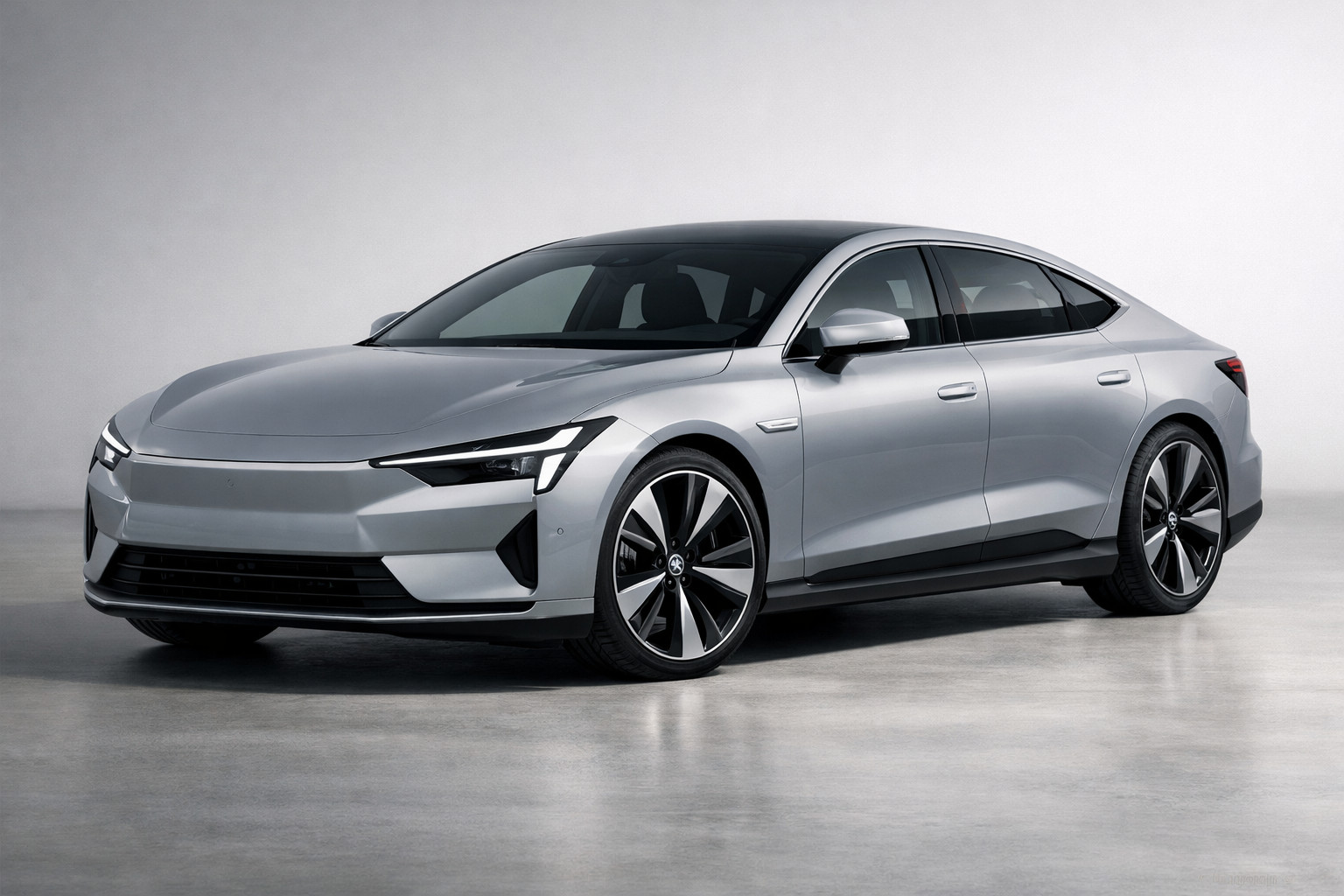
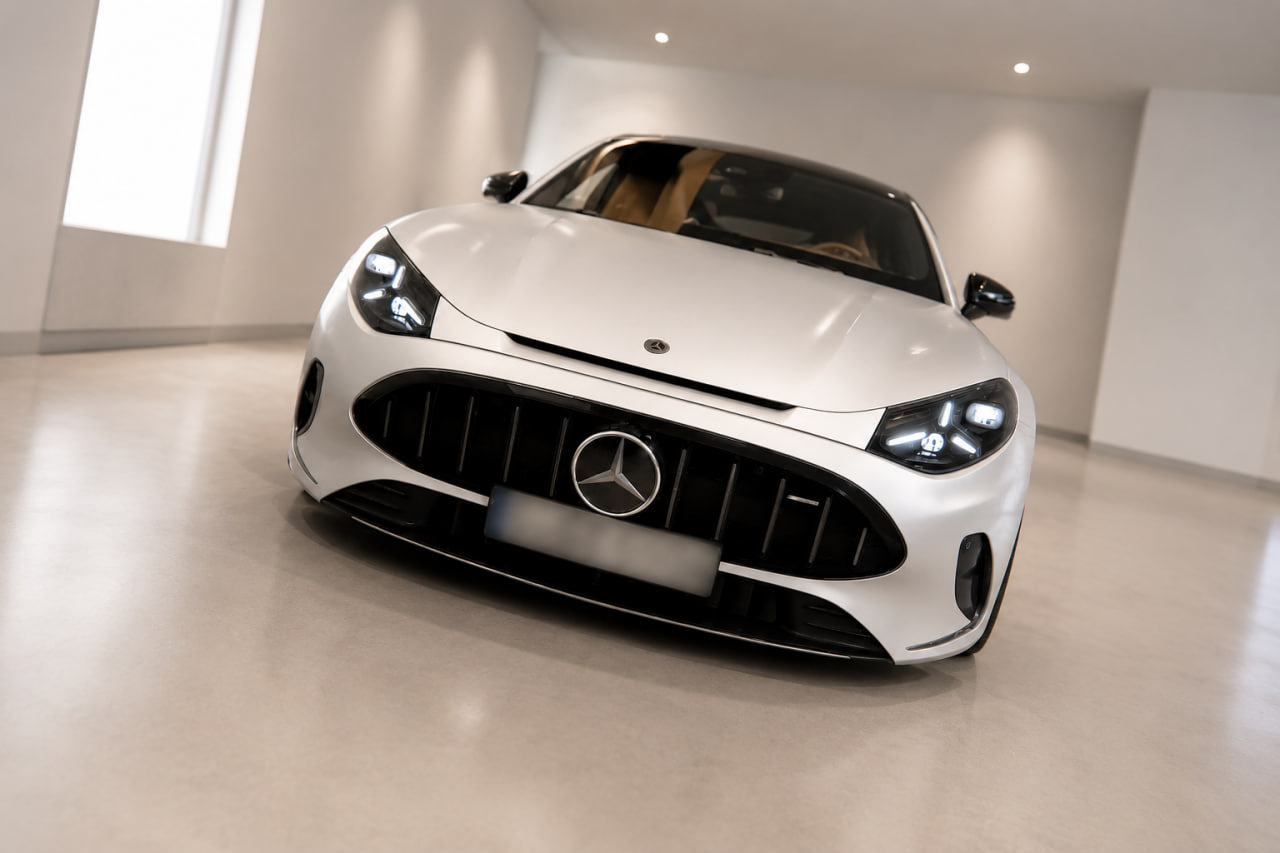
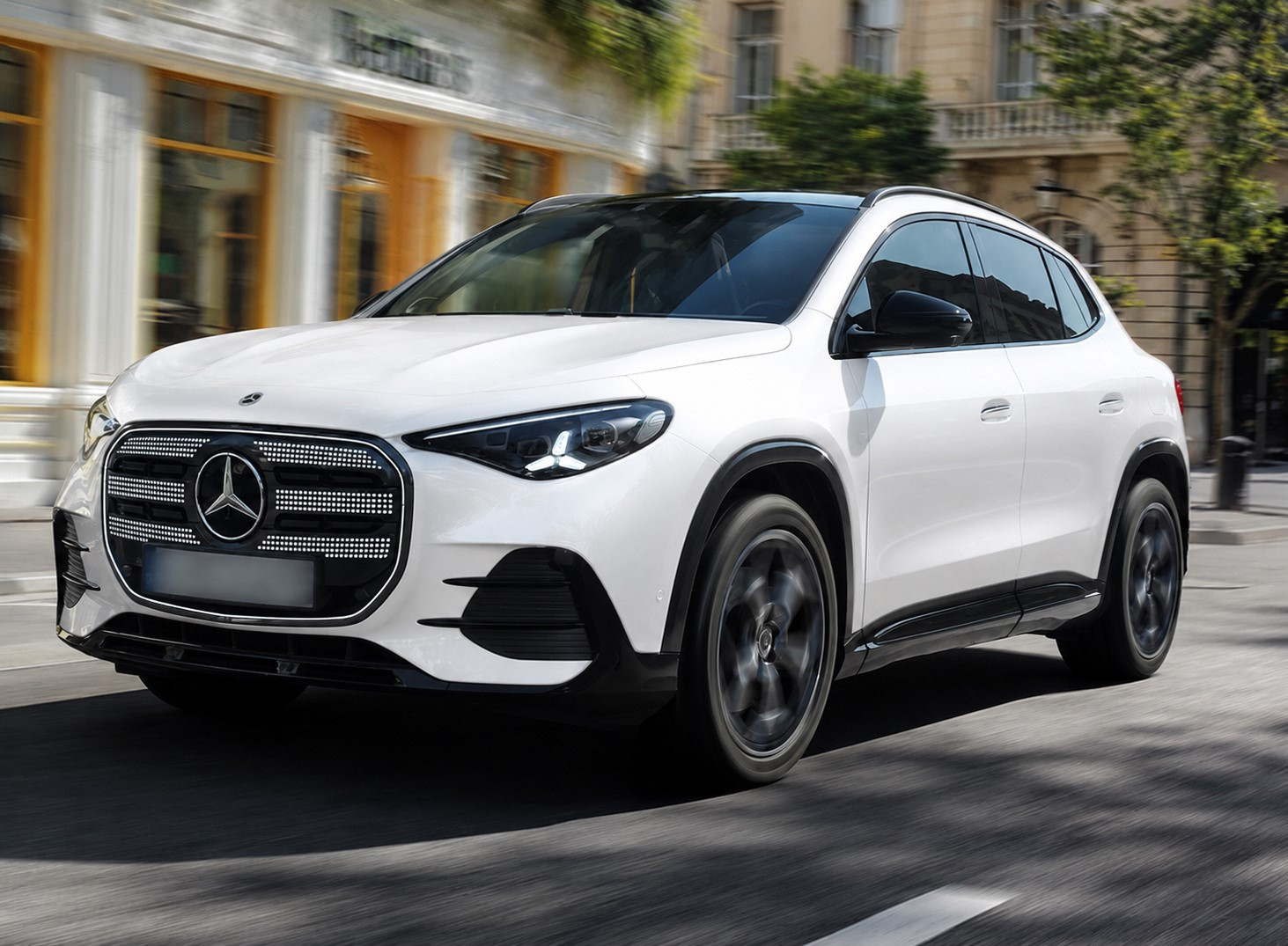
The new Mercedes-Benz GLA with the electric EQ lineup is already starting to look less like a rumor and more like a finished third generation. The model has confirmed the MMA platform, 800-volt architecture, a premiere on July 29, 2026, and a market launch at the end of 2026—so the “2027” designation in the headline is logical to interpret as the model year.
At the same time, you have to be careful with big numbers: for the new GLA, an official range of more than 700 km on the WLTP cycle has been stated, but the specific 657 km figure and 320 kW peak charging in verified GLA data are not confirmed at the moment. The official price hasn’t been announced either, so right now it’s more important to understand the model’s position, the technical logic, and the practical point of buying it.
The model and its place in the market
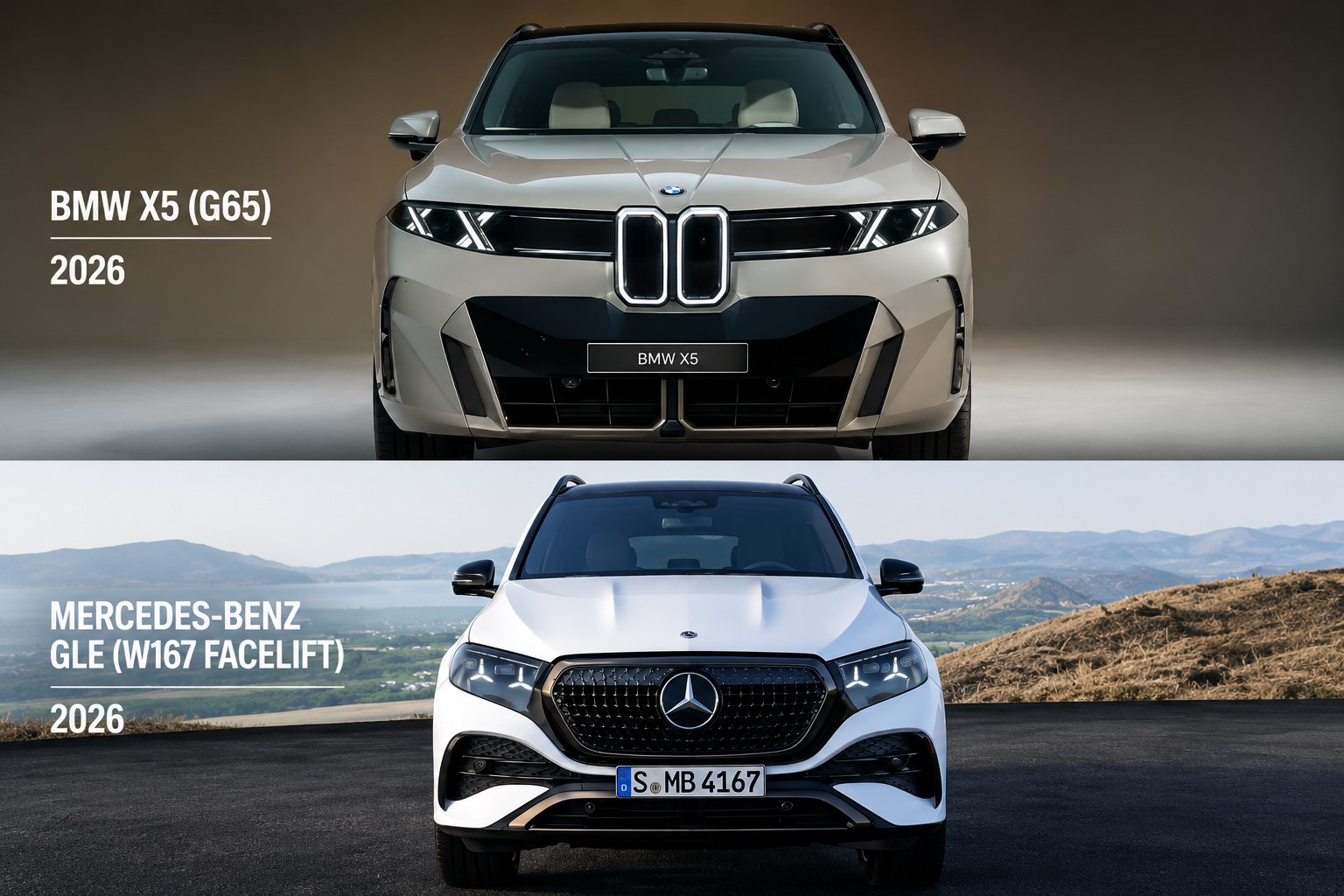
GLA is a compact premium crossover from Mercedes-Benz, the brand’s smallest SUV. Its sweet spot is the city, suburbs, daily driving, and a family-friendly format without moving up to a large and heavy crossover. That’s why the model traditionally competes with the BMW X1, Audi Q3, and Volvo XC40: buyers here aren’t chasing maximum space, but a balance of size, technology, and brand status.
The new GLA EQ is meant to shift the focus from simply a “compact Mercedes” to a tech-forward EV with long range that’s already approaching larger models. If Mercedes keeps the weight reasonable, the seating position comfortable, and the ergonomics strong, it will be a very powerful urban electric crossover in the segment. But until pricing is announced, it’s too early to say how good a value it will be versus rivals.
Generations and model history
In the GLA, you can clearly see the evolution of the entire compact premium crossover niche: from a raised hatchback to a full-fledged family SUV, and now to an electric model of a new generation. For understanding the market, it’s important not to confuse the current H247 with the upcoming H244: accessories, body components, and even expectations from the car will differ.
| Generation | Years | Code | What matters |
|---|---|---|---|
| First | 2014–2019 | X156 | The model’s start as a compact crossover on a passenger-car platform, gasoline and diesel versions |
| Second | 2020–present | H247 | More space, a more modern interior, gasoline, diesel, plug-in hybrid, 4MATIC versions |
| Third | from late 2026, model year 2027 | H244 | MMA platform, 800 V, at launch GLA 250+ EQ and GLA 350 4MATIC EQ, later GLA 200 EQ and hybrids |
Engines and transmissions
If we talk about real, already well-understood GLA powertrains, it still makes sense to use the current generation as a reference for now. It clearly shows who gasoline suits, who diesel suits, and who a plug-in hybrid suits.
- 1.3-liter turbo gasoline engine: GLA 180 — 100 kW, GLA 200 — 120 kW; in mild-hybrid versions there is short electric assist up to 10 kW.
- 2.0-liter turbo gasoline engine: GLA 220 4MATIC — 140 kW.
- 2.0-liter diesel: GLA 180 d — 85 kW, GLA 200 d — 110 kW, GLA 200 d 4MATIC — 110 kW, GLA 220 d 4MATIC — 140 kW.
- 1.3-liter plug-in hybrid GLA 250 e: system output 160 kW, or 218 hp, and 450 N·m.
Depending on the version, the current GLA uses a 7-speed or 8-speed dual-clutch automated transmission. The new GLA EQ will go a different route: at launch, the electric GLA 250+ EQ and GLA 350 4MATIC EQ are announced, and the most powerful version will have 260 kW, or 354 hp. We’re still waiting for exact battery details and officially confirmed peak charging power specifically for the GLA.
Body, dimensions, and chassis
The current GLA is 4,412 mm long, 2,020 mm wide with mirrors, 1,616 mm tall, with a 2,729 mm wheelbase and an 11.4 m turning radius. It’s a very city-friendly format: parking isn’t intimidating, it doesn’t look bulky, but it also doesn’t turn into a cramped hatchback. The current GLA’s trunk is 425 L—normal for the class, but not a record.
For the new GLA, the exact dimensions haven’t been fully disclosed yet, but it’s described as a crossover a little over 4.50 m long. This hints at moderate growth in size. There’s no officially confirmed ground clearance for the new generation in publicly available data, so it’s too early to attribute off-road abilities to the car: the GLA has been and remains a road-focused crossover, not a vehicle for serious off-roading.
| Parameter | What is known |
|---|---|
| New generation premiere | July 29, 2026, sales start expected at the end of 2026 |
| Platform | MMA |
| Electrical architecture | 800 V |
| Launch versions | GLA 250+ EQ and GLA 350 4MATIC EQ |
| Maximum stated output | 260 kW, or 354 hp |
| Range of the new GLA EQ | more than 700 km WLTP |
| The 657 km figure | not officially confirmed for the GLA |
| 320 kW peak charging power | not officially confirmed for the GLA |
| Approximate length of the new GLA | a little over 4.50 m; exact figures are still pending |
| Length of the current GLA | 4 412 mm |
| Wheelbase of the current GLA | 2 729 mm |
| Ground clearance | not published in available confirmed data for the new GLA |
| Trunk of the current GLA | 425 L |
| Price of the new GLA EQ | not announced yet; the current GLA 250 4MATIC in the US starts at $43,500 as a class reference, but not as the price of the new model |
Interior, comfort, and safety
The GLA’s strong point isn’t dry numbers, but the feel of a straightforward premium interior without unnecessary complexity. For the new generation, MBUX with large screens, 64-color ambient lighting, an optional head-up display, a Burmester sound system with Dolby Atmos, a folding rear bench, and a front luggage compartment have already been announced. For a compact crossover, it’s a strong set—not for show, but for everyday convenience.
In the current GLA, the front seats, seating position, and ergonomics are usually praised, but there are also sober notes: the trunk isn’t the largest in the class, and some interior plastics don’t create the feel of a higher-end model. On safety, Mercedes usually offers a strong set of driver assists, but the final list of systems for the H244 still needs to be checked in the official specifications for each specific market.
Everyday use
The GLA is a good fit for those who drive daily, value a compact body, and don’t want to move up to a larger SUV. In the city, it’s not only dimensions that matter, but also ease of entry, visibility, a sensible turning radius, and a usable trunk for everyday items. This is where the GLA has traditionally been strong.
The electric GLA EQ makes sense for those who have home or reliable public charging and want a quiet, responsive crossover without daily dependence on gas stations. If, however, someone often drives long distances, doesn’t have convenient charging infrastructure, or wants the simplest possible routine in the regions, the current gasoline, diesel, or hybrid GLA versions still look more pragmatic. It’s also not the best choice for those who need the roomiest possible second row or a large trunk for long family vacations.
Strengths and weaknesses
| Strengths | What it gives the owner | Weaknesses | What it means in practice |
|---|---|---|---|
| Compact body format | Convenient in the city, in parking lots, and in dense traffic | Not record space in the rear or in the trunk | Fine for four people, but as the only family car for every scenario it may feel a bit tight |
| 800-volt architecture of the new generation | Potentially fast charging and strong energy efficiency | The exact charging curve is not confirmed yet | It’s too early to rely on the 320 kW figure |
| Stated range of more than 700 km WLTP | A good reserve for intercity trips | Real-world figures will depend on version, weather, and speed | Don’t expect the rated values in a winter cycle |
| Wide lineup of the current GLA | You can choose gasoline, diesel, 4MATIC, or a plug-in hybrid for your scenario | Diesel versions aren’t as quiet and smooth as gasoline | For the city, gasoline or hybrid is often more pleasant |
| Tech-focused interior and good ergonomics | The car doesn’t get tiresome in daily use | The price of the new GLA EQ is still unknown | Cost may decide whether the model is truly competitive |
In essence, the GLA works best as a premium compact crossover for an asphalt-centric lifestyle. It’s weaker where a car is expected to offer maximum space, rugged off-road durability, or complete price predictability.
Tuning and accessories
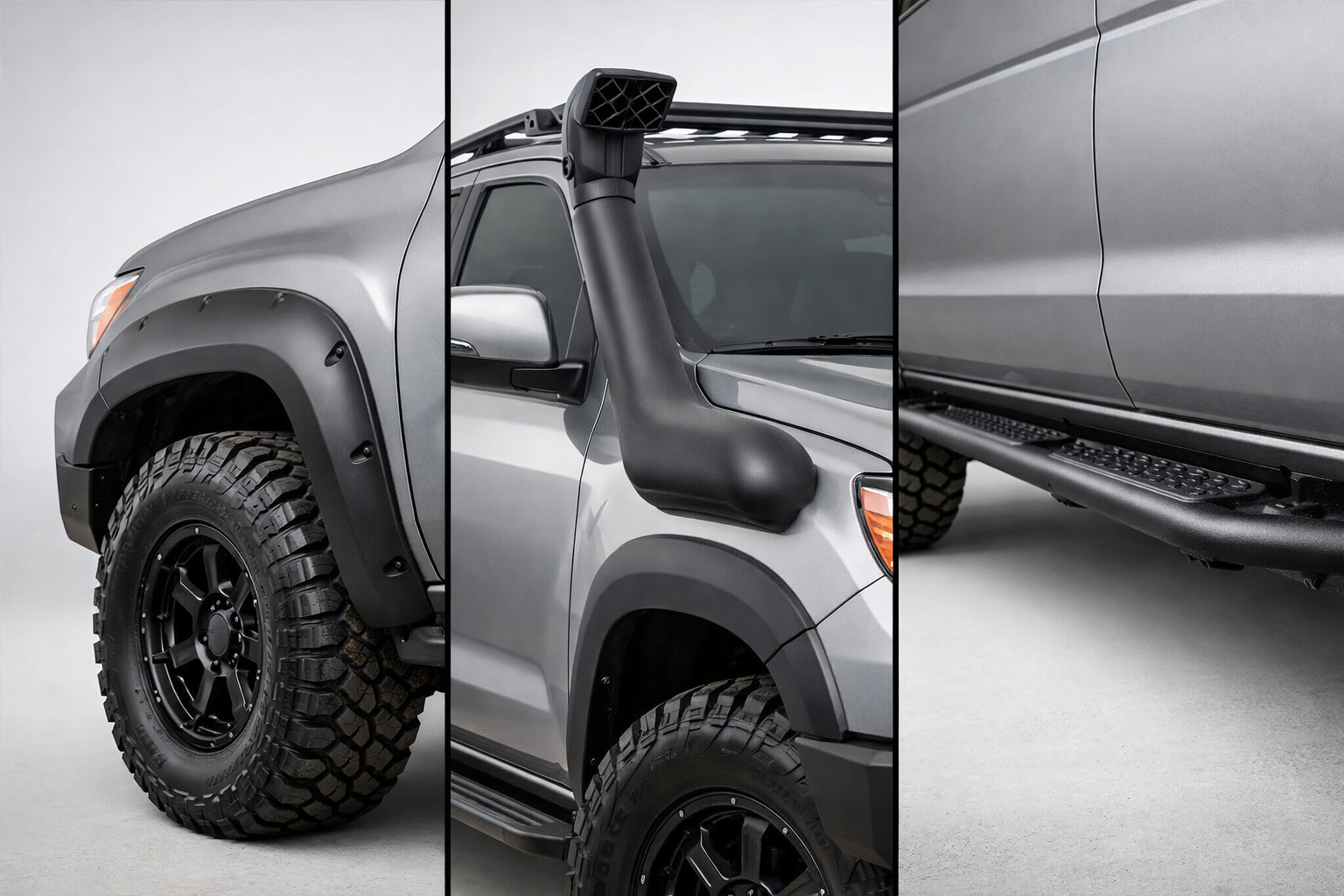
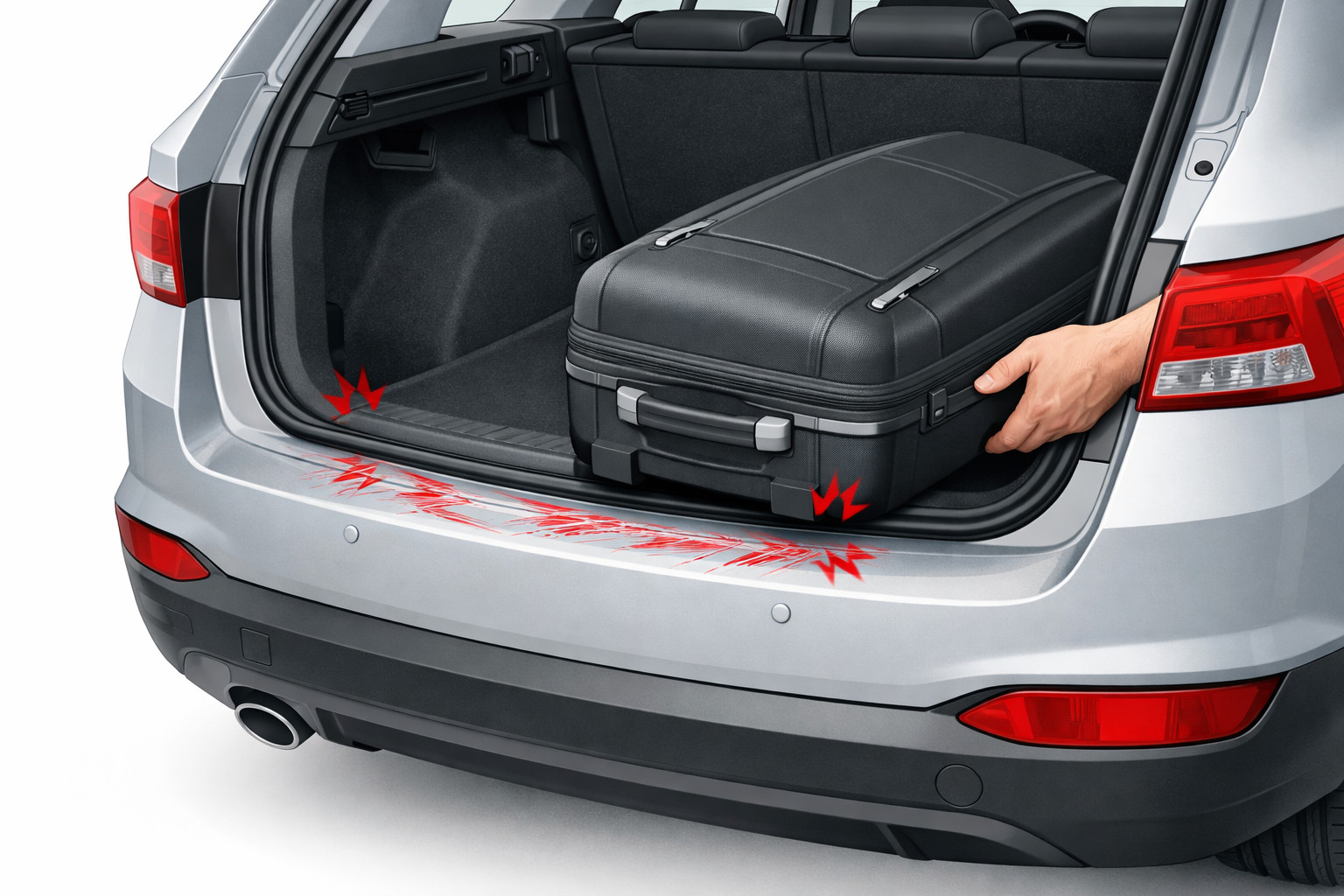
For the new generation, the smartest approach to upgrades is not to chase exterior decor right away, but to start with things that truly work in everyday use. While a dedicated catalog for the H244 is only being formed, the selection logic is already clear from the current GLA H247: first body protection, then cargo practicality, then the interior.
What to check out for this model
- Mud flaps — useful for protecting the sills and lower parts of the doors from sand, dirt, and fine abrasive.
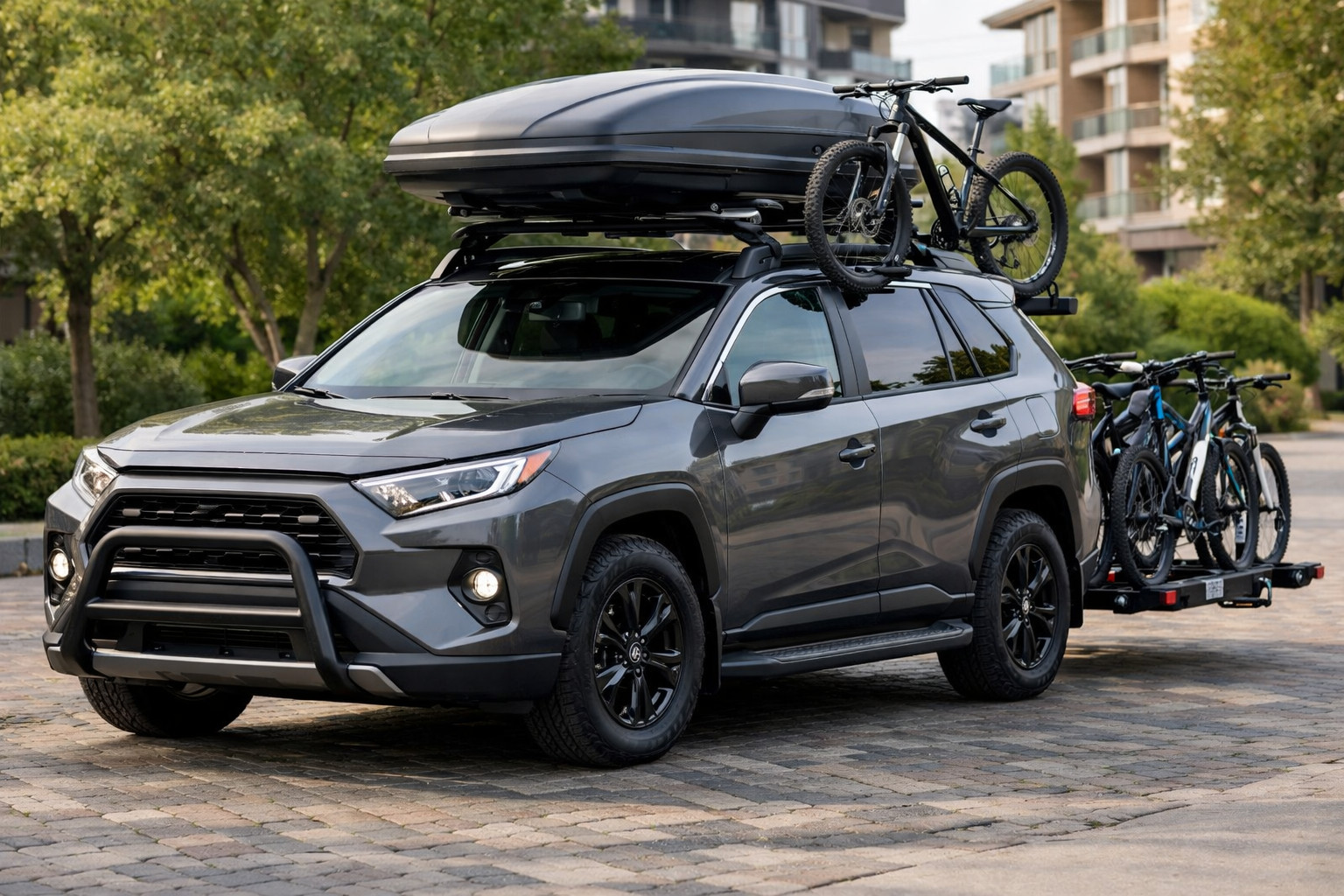
- Roof racks and cross bars — needed if the GLA is bought not only for the city, but also for bikes, skis, or extra luggage.
- Interior accessories — make sense for everyday order in the cabin, surface protection, and neat storage for small items.
For the GLA, tuning makes the most sense when it doesn’t break the factory logic of the car. This isn’t a model that desperately needs aggressive body kits; practical accessories that simplify life and keep the body and interior in good condition for longer are far more useful.
Conclusion
The new Mercedes-Benz GLA 2027 should be seen as a very promising third generation of a compact premium crossover, but not as a model where everything is already known. As of today, the MMA platform, 800 V, the launch electric versions, up to 354 hp, and more than 700 km WLTP range are confirmed, while the 657 km and 320 kW figures and the exact price for the GLA still require official confirmation.
In short, the GLA suits those who want a premium compact crossover for daily use, city and suburban driving, rather than the most spacious family wagon. The material is based on real selection experience, practice, and real-world usage scenarios, so the main takeaway is simple: it’s definitely worth keeping an eye on the model, but the final purchase decision on the new GLA EQ should be made only after the full specification and price list are published.
Pros and cons
Compact dimensions make the GLA convenient for city use: it’s easier to park, simpler to maneuver in traffic, and it doesn’t look bulky.
The new electric version is based on an 800-volt architecture and the MMA platform, which offers the potential for fast charging and better energy efficiency.
The new GLA is claimed to have a range of over 700 km WLTP, so the model looks suitable not only for the city, but also for intercity trips.
The cabin is said to offer MBUX, large screens, ambient lighting, Burmester with Dolby Atmos, and a front trunk, meaning a set of options that really improves everyday convenience.
The current GLA has a wide range of powertrains — petrol, diesel, 4MATIC, and plug-in hybrid — so it’s easier to choose a version for your own use case.
It should not be taken as confirmed figures of 657 km of range and 320 kW of peak charging power: for the GLA, these data are explicitly described as unconfirmed in the article.
The exact price of the new GLA EQ has not yet been announced, so for now it is impossible to properly assess its competitiveness in its class.
The GLA is not a particularly spacious car: there is less room in the rear and in the trunk than one would like for a car meant to serve as the only family crossover.
There is no officially confirmed ground clearance for the new generation, so you should not expect serious off-road capability from it.