20.07.2026
667
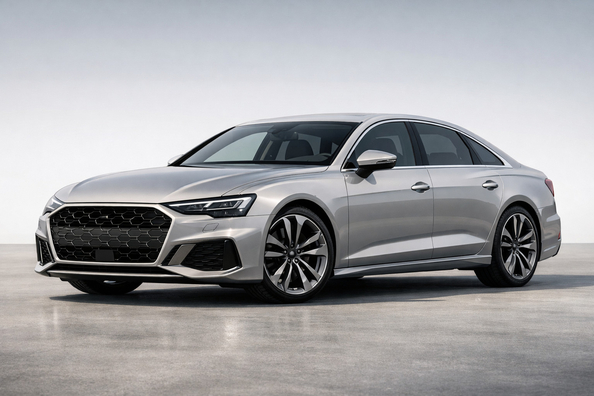
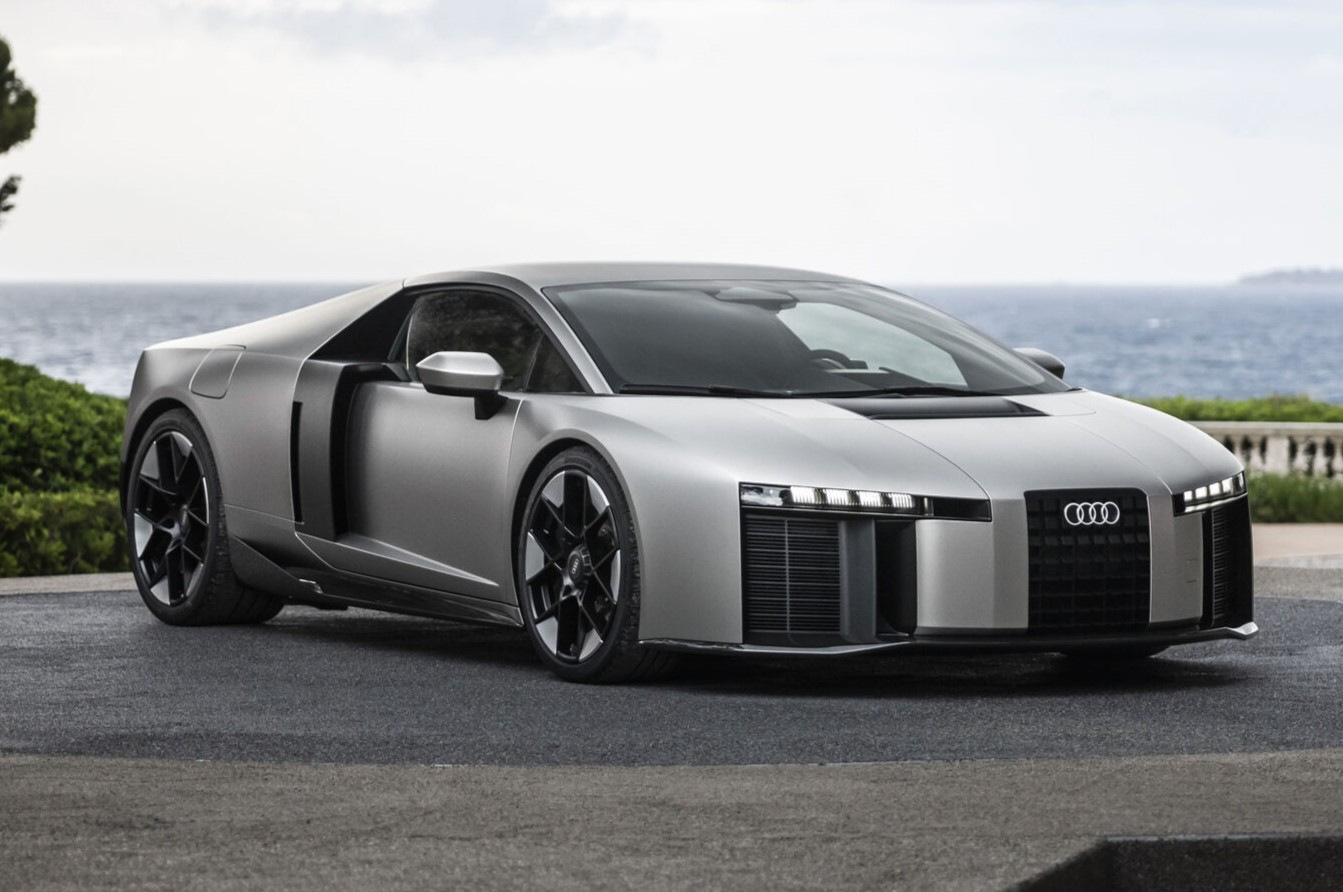
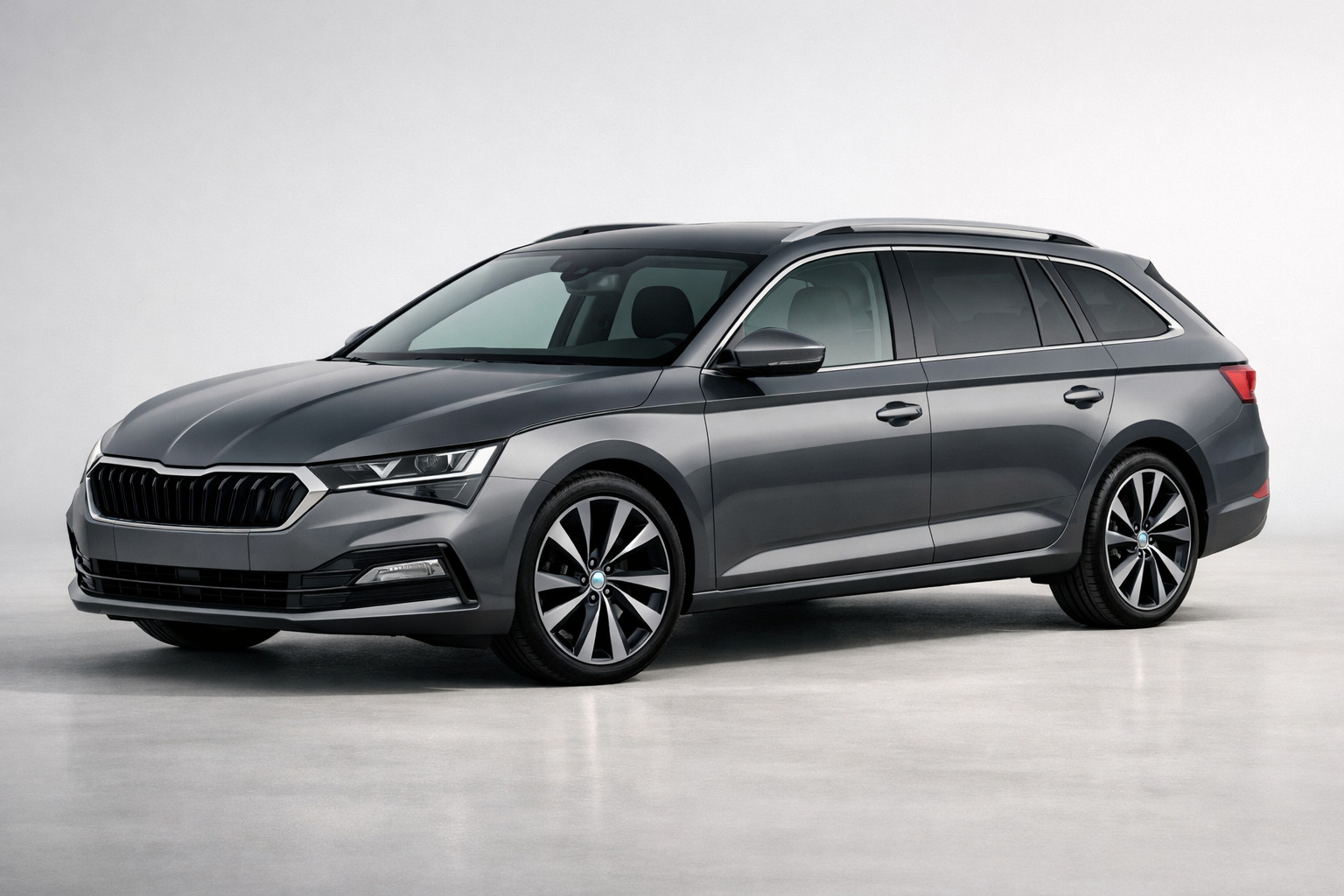
The Audi A6 C9 from 2025 is not about a sharp change of character, but about precisely refining the familiar business-sedan formula: quiet at speed, strong electronics, mild-hybrid solutions, and the feel of an expensive, tightly put-together car for everyday use. In short, the model is aimed at those who drive a lot on the highway, value a smooth ride, and want a premium car without moving up into the class of large executive sedans.
An important nuance: at the start of the generation, some data differs by body style and market. So the engines, drivetrain, trunk, and even the ride height/ground clearance should be checked for your exact version. But the overall picture of the C9 is already clear: it’s an A6 that has become more technological and more premium to the touch, without losing its practical purpose.
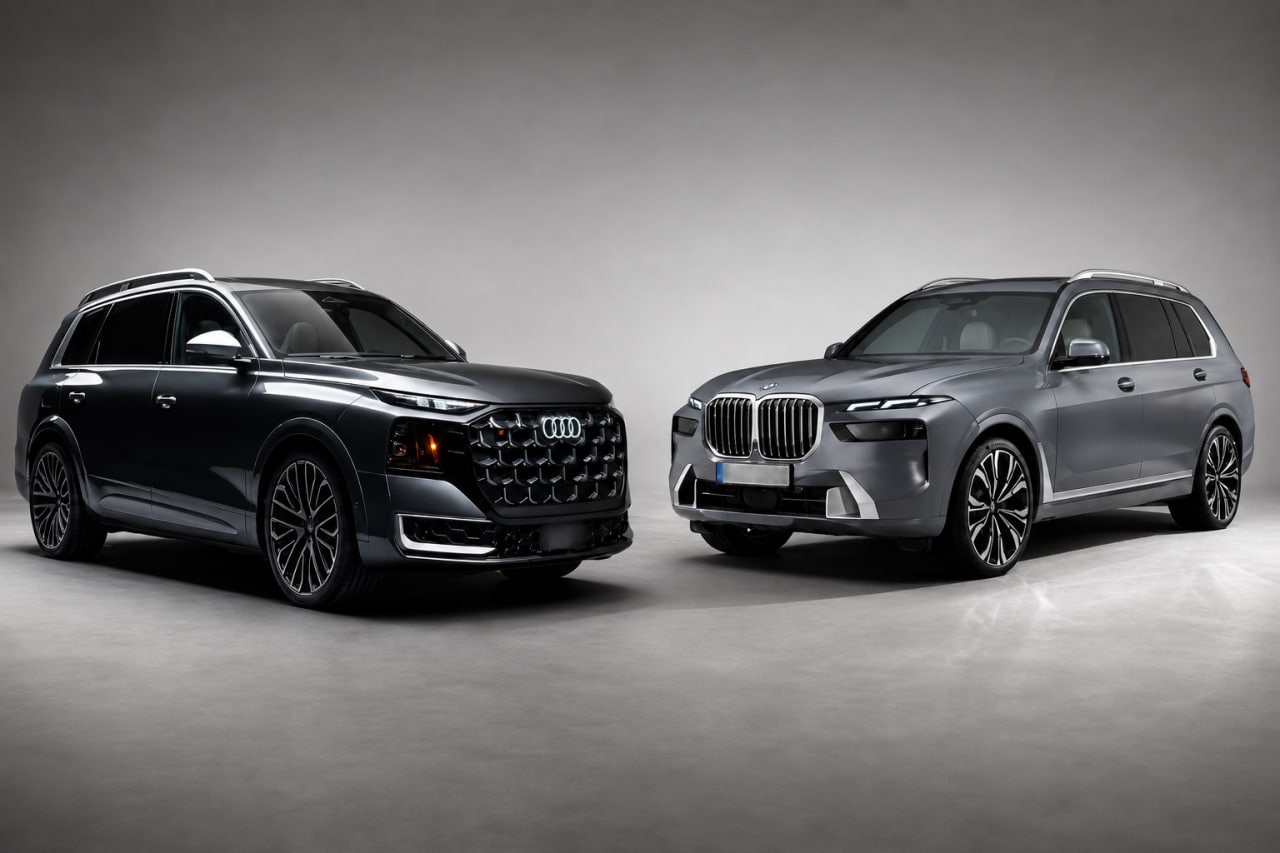
The Audi A6 C9 plays in the heart of the premium E-segment, where buyers typically choose between calm, businesslike character, technology, and long-distance ride quality. By nature, the A6 is traditionally a bit more reserved than the BMW 5 Series and less showy than the current Mercedes-Benz E-Class. That’s a plus for those who need not an image statement, but a solid work tool.
Who the A6 C9 suits: drivers with high annual mileage, those who often travel between cities, and anyone who wants a quiet cabin and stability at high speed. Who it may not suit: those looking for low running costs, high ground clearance, or максимально simple electronics without complex options.
The A6 line traces its roots to the Audi 100, but the A6 name itself has been used since the C4 generation. That’s why, to understand the C9, it’s important to see not only the 2025 newcomer, but also the logic of the model’s evolution: from a classic business sedan to a complex digital car.
| Generation | Production years | What matters |
|---|---|---|
| C4 | 1994–1997 | The first A6 after the Audi 100, classic business-sedan architecture. |
| C5 | 1997–2004 | A major leap in comfort, all-wheel drive, and the engine lineup. |
| C6 | 2004–2011 | More electronics, more complex suspensions, a stronger premium emphasis. |
| C7 | 2011–2018 | Lighter body, modern turbo engines, a very successful balance for highway use. |
| C8 | 2018–2025 | Digital cabin, mild hybrids, an even greater role for electronic assistants. |
| C9 | from 2025 | A new generation with updated architecture, focusing on efficiency, acoustics, and electronics. |
For the A6 C9, it’s worth looking not at the abstract word “premium,” but at the specific powertrain lineup. At the start of the generation, European versions are based on familiar-in-philosophy turbo engines with mild-hybrid solutions. That means solid low-end torque, quieter operation in the city, and better efficiency in everyday driving.
| Version | Displacement and type | Power | Transmission and drivetrain |
|---|---|---|---|
| 2.0 TFSI | 1984 cm³, petrol | 204 hp | 7-speed dual-clutch; depending on the market, mostly front-wheel drive |
| 2.0 TDI | 1968 cm³, diesel | 204 hp | 7-speed dual-clutch; versions with front-wheel drive or quattro |
| 3.0 TFSI V6 | 2995 cm³, petrol | 367 hp | 7-speed dual-clutch, quattro all-wheel drive |
To simplify the choice: the 2.0 TFSI is for the city and mixed driving, the 2.0 TDI is for high mileage and highway use, and the 3.0 TFSI is for those who want a reserve of torque without stepping into separate sports models. In different countries, the engine range and drivetrain types may vary, so the exact trim should be checked separately.
The main technical feature of the C9 is not just a new body, but a whole set of changes in the chassis, electronics, and suspension. The car remains large and highway-oriented by nature, but at the same time it smooths out small imperfections better and responds more precisely to the steering—especially in versions with a more advanced chassis setup.
| Parameter | Reference for the C9 generation | What it means in practice |
|---|---|---|
| Platform | PPC for versions with internal combustion engines | More modern electronics, better integration of assistants and chassis systems |
| Length | around 5 m; confirmed reference for the launch body — 4999 mm | Plenty of space, but in the city you need to get used to the size |
| Wheelbase | 2927 mm | Good rear-seat space and stability on the highway |
| Width | 1880 mm without mirrors | A wide cabin, but be careful in tight parking garages |
| Ground clearance | around 140 mm in standard ride height; depends on the suspension | Fine for asphalt, but curbs and rough yards require caution |
| Trunk volume | 503 L in the confirmed Avant body; for the sedan, the figure should be checked by market | Enough for daily tasks and trips with suitcases |
For the suspension, the logic is familiar: the standard setup is for balanced everyday driving, the sport setup is for tighter responses, and air suspension is for those who want maximum flexibility between comfort and handling. The suspension type affects the feel of the A6 more than the catalog numbers themselves.
The A6 C9 interior focuses not on decorative flair, but on the feel of an upscale environment: a digital instrument cluster, a large центральный screen, a good driving position, quality materials, and quietness at speed. In a well-specced trim, the difference from the mass market is felt not in photos, but in the small details: how the doors close, how well the floor is insulated, how the seats support your body over long distances.
Safety is predictably strong: adaptive cruise control, lane keeping, automatic braking, blind-spot monitoring, cameras, and parking systems. But there’s an owner’s nuance: the more complex assistants you have, the more carefully you need to treat the condition of sensors, cameras, and software updates.
In the city, the A6 C9 is convenient thanks to light steering, a gearbox without unnecessary fuss, and good sound insulation. On the highway, the model comes into its own even more: a long wheelbase, stable straight-line tracking, and calm delivery make it very comfortable for repeated 300–700 km trips. That’s why diesel and all-wheel-drive versions often look more logical than the base petrol, if the mileage is truly high.
On the practical cost side, you should budget for not-cheap tires, brakes, pricier suspension components, and sensitivity to service quality. This is not a car that forgives случайное maintenance “as long as it’s cheaper.” If an owner likes to save on the small stuff, a premium sedan will quickly become annoying.
From an owner’s perspective, the A6 C9 is strong where you need calm, expensive-feeling driving. But it’s not for every scenario and definitely not for those who want minimal costs and simplicity.
| Pros | Cons |
|---|---|
| Quiet cabin and a very good highway ride | High cost of tires, brakes, and part of the suspension |
| Strong engine base: from calm to dynamic versions | Complex electronics require attentive service |
| Quality driving position and a mature driving feel | Low ground clearance for poor roads and high curbs |
| Well suited for high annual mileage | Large dimensions aren’t convenient for everyone in a tight city |
| All-wheel drive and richer suspension setups реально change the car’s character | Lots of options—without them, the car may not feel as convincing |
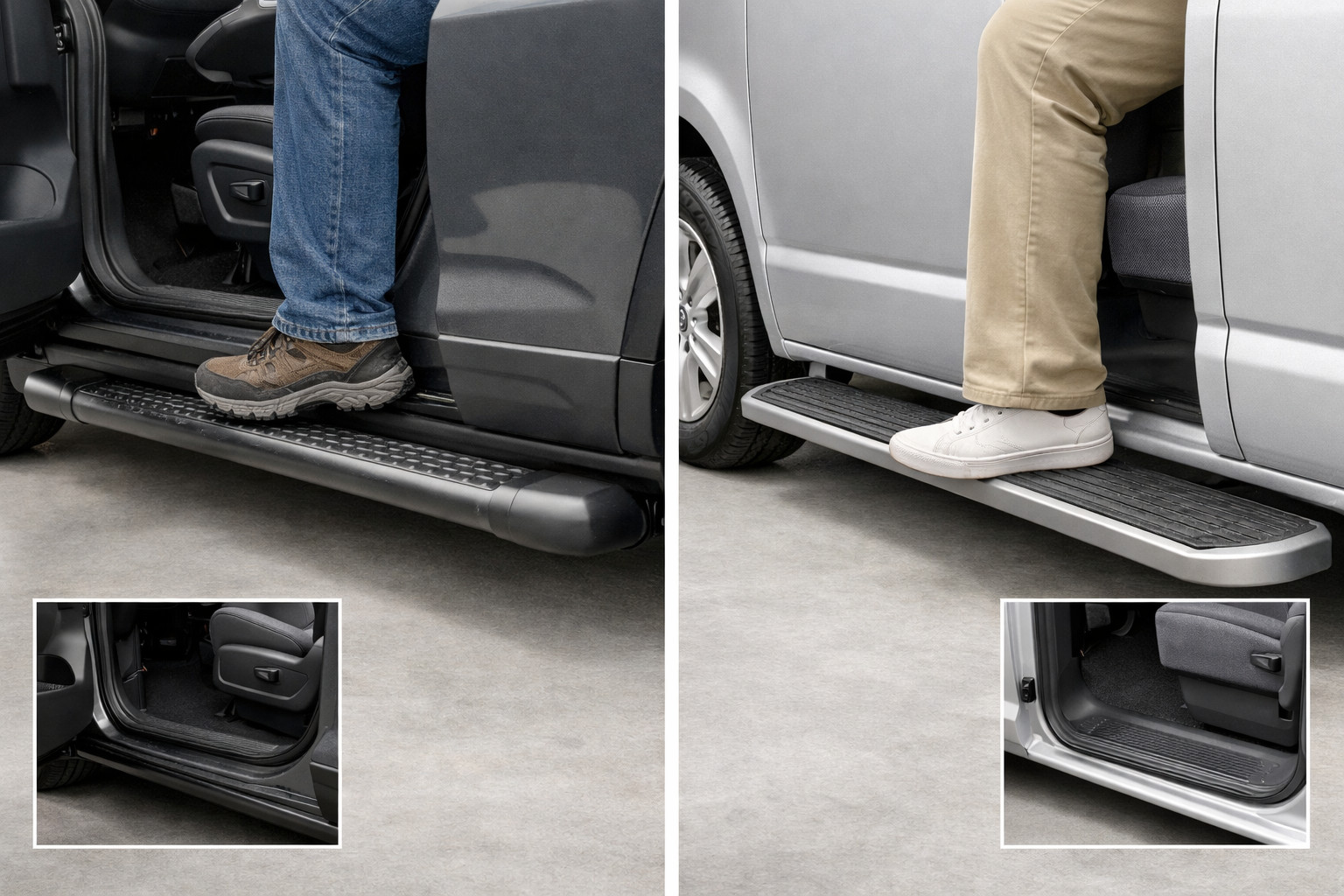
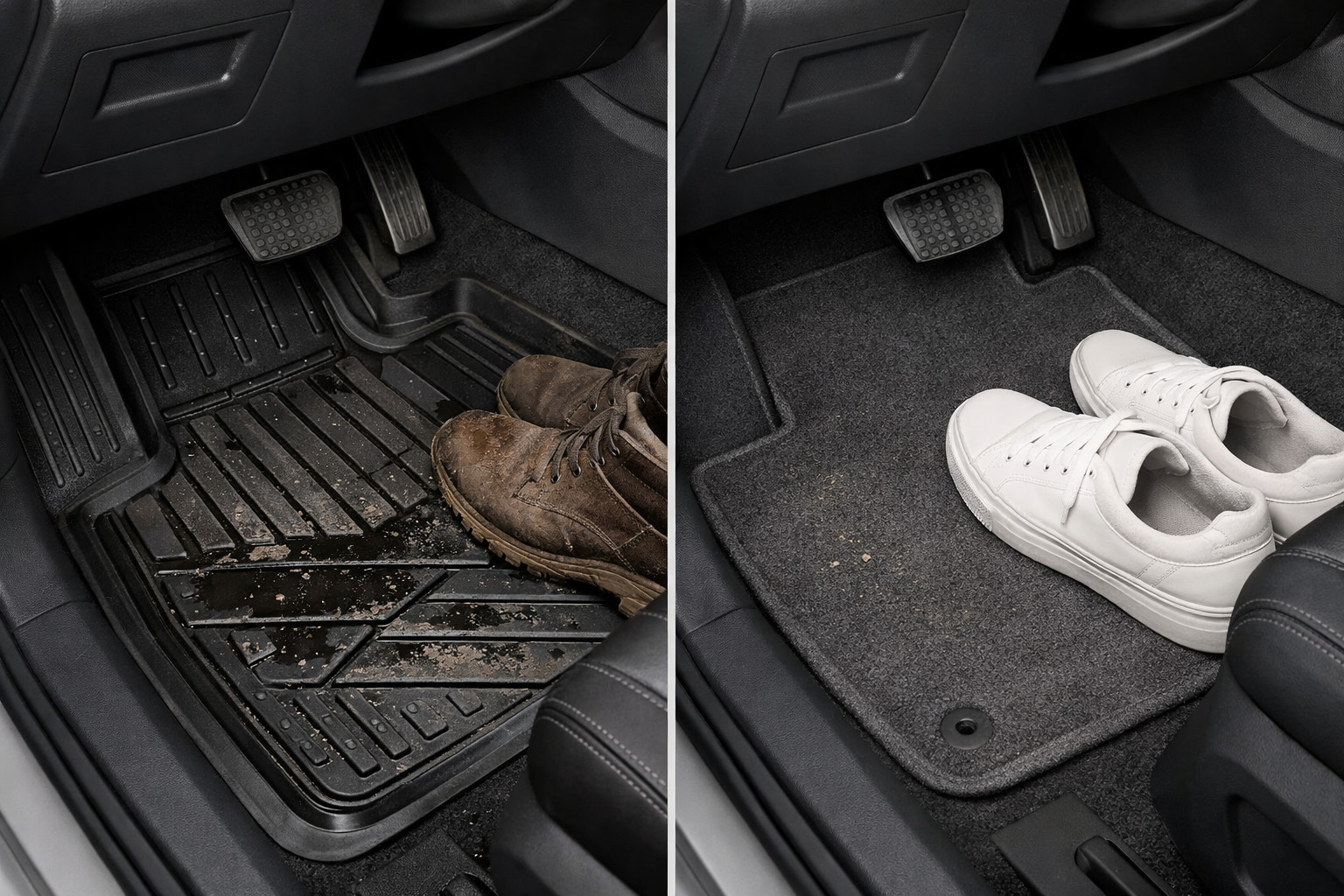
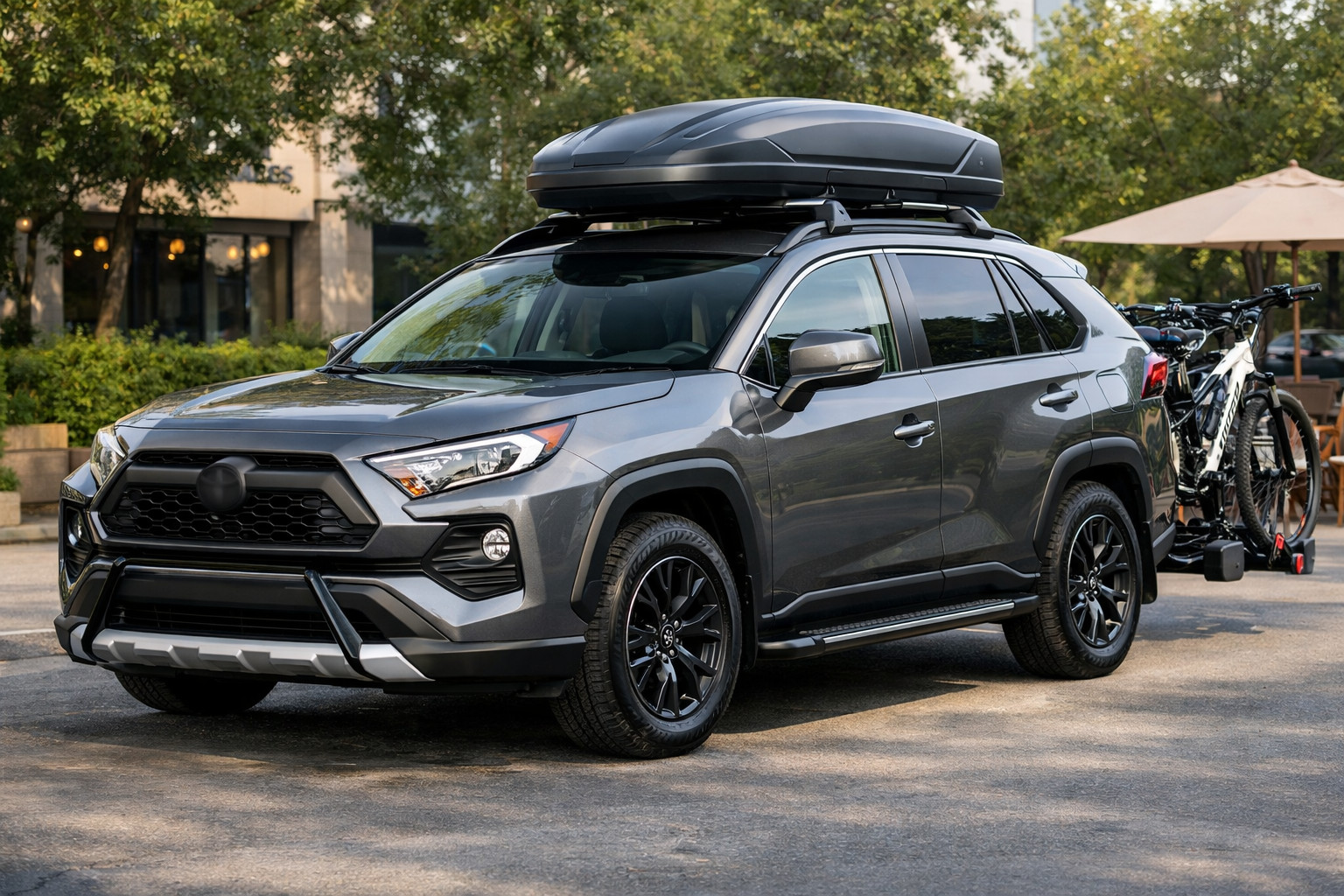
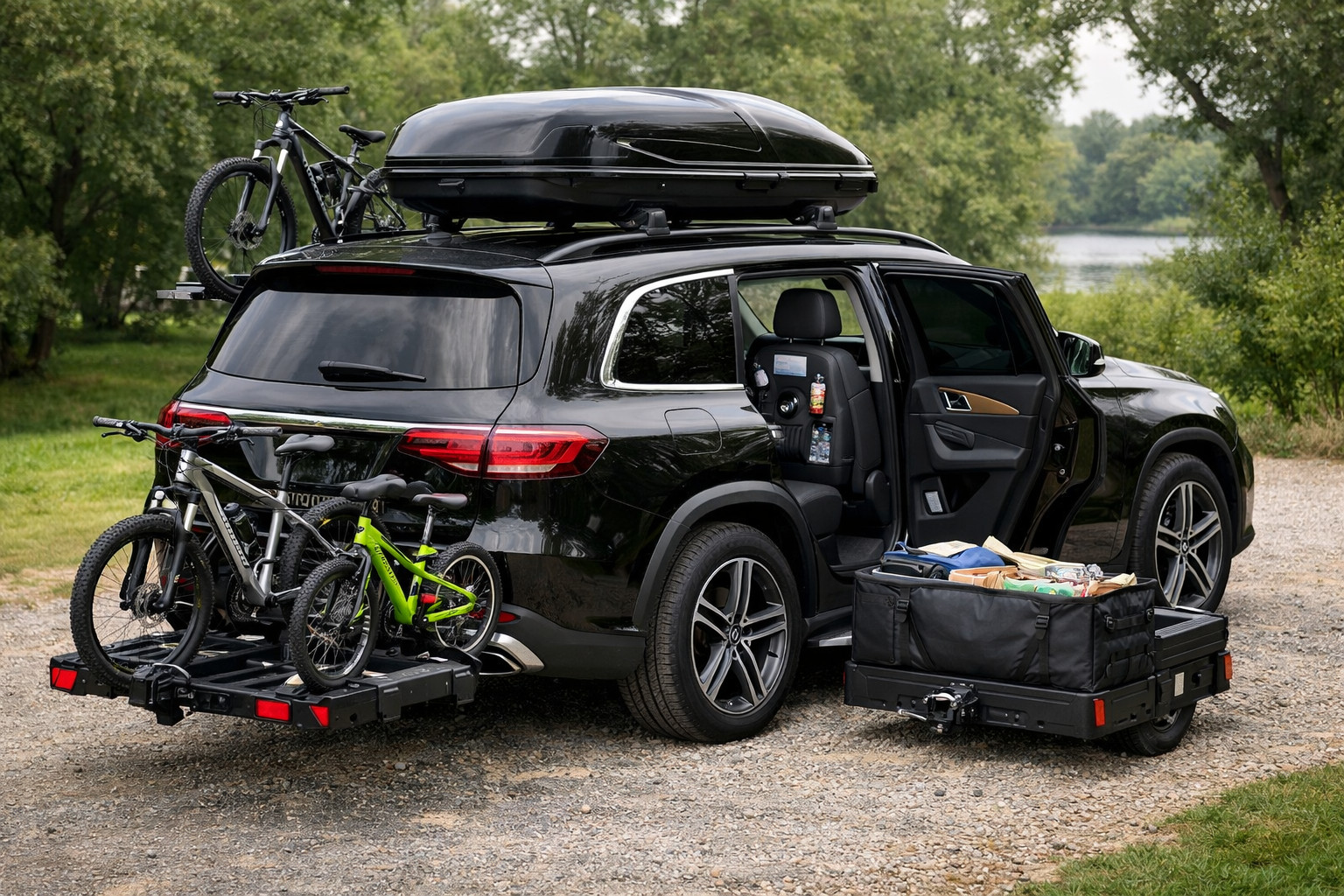
For the Audi A6 C9, sensible tuning starts not with decorative trim, but with things that help you live with the car every day. A sedan like this has expensive upholstery, good interior carpeting, and a trunk you don’t want to ruin quickly with dirt, moisture, and hard cargo. That’s why the first purchases should be practical.
If the car is used daily, the most useful accessories are interior floor mats and trunk protection. These are inexpensive items compared to the cost of the model itself, but they’re exactly what keeps the interior in resale-ready condition and makes upkeep easier.
The Audi A6 C9 is a strong business car for those who actually use the car, not just look at the badge. It performs best in the scenario of long trips, quality asphalt, good service, and a carefully chosen configuration. If you need high ground clearance, simplicity, and low running costs, it’s better to look elsewhere.
If you need a premium sedan with clear logic, the A6 C9 looks very convincing. This material is based on real подбор experience, practice, and real usage scenarios, so the main conclusion is simple: the success of this model depends not on a glossy brochure, but on how precisely you match your engine, suspension, and a set of basic accessories.
| ✔ | A quiet cabin and very comfortable highway manners make the A6 C9 convenient for long trips and regular intercity routes. |
| ✔ | The engine lineup looks practical: there are options for city driving, high mileage, and more dynamic driving without moving into the sporty segment. |
| ✔ | The seating position, good insulation, and the feel of a well-put-together car strongly emphasize the model’s premium character in everyday use. |
| ✔ | A 2927 mm wheelbase and the overall dimensions provide cabin space and stability at high speeds. |
| ✔ | All-wheel drive and different suspension options genuinely change the car’s character, allowing you to find a balance between comfort and handling. |
| ✘ | Maintenance will not be cheap: the article explicitly mentions expensive tires, brakes, and some suspension components. |
| ✘ | Complex electronics and the suite of assistants require careful servicing and properly functioning sensors, cameras, and updates. |
| ✘ | The small ground clearance limits comfort on poor roads, high curbs, and in courtyards with uneven pavement. |
| ✘ | The large dimensions can create inconvenience in tight city conditions and in narrow parking lots. |
Shipping to EU
Wholesale and retail
Own warehouse
Опис продукту
Подарунки не надаються при оформленні покупки у кредит під 0,01% або при покупці частинами.