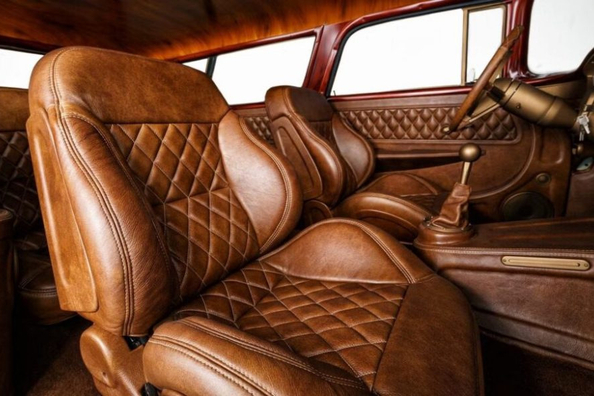
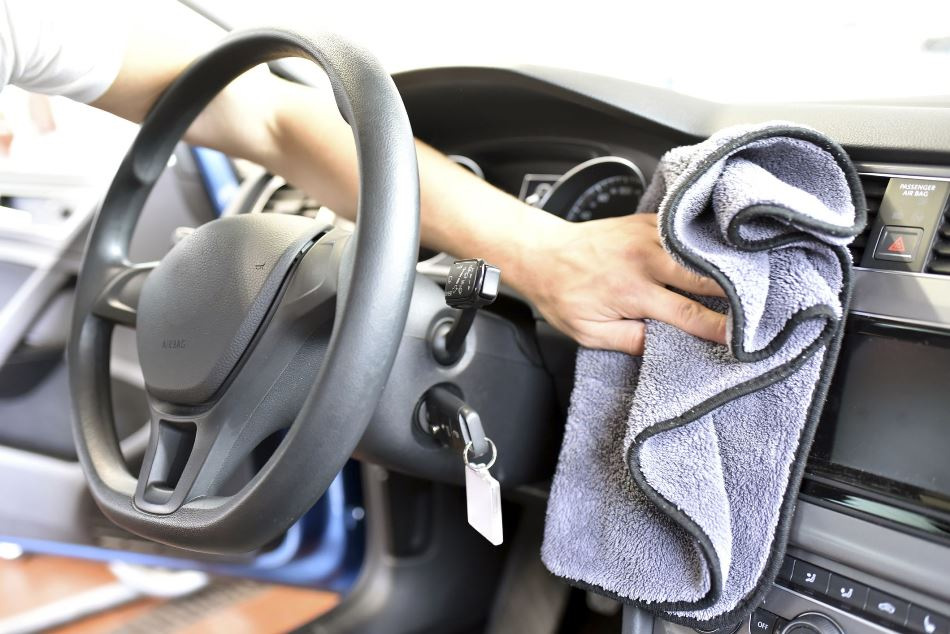
Car interior reupholstery — a popular way to refresh the cabin, often used in tuning to enhance comfort and style. However, without proper preparation and a professional approach, the result can be disappointing. This article explains common mistakes during reupholstery.
Common mistakes when reupholstering the interior
Incorrect material selection:
- Using unsuitable materials for specific areas: For example, leather that is too thin or cheap leatherette on seats wears out quickly. For the steering wheel, durability and a pleasant texture are essential.
- Saving on quality: Cheap materials quickly lose their appearance, crack, fade, and delaminate.
- Ignoring climate conditions: Some materials do not handle temperature fluctuations or high humidity well.
Trying to save on professionals:
- DIY reupholstery without experience: Requires specific skills, tools, and patience. The result often looks amateurish – wrinkles, uneven seams, poor fit.
- Hiring unqualified craftsmen: Leads to poor workmanship, rework, and wasted time/money.
Ignoring ergonomics and functionality:
- Changing seat shape without considering comfort: Can cause discomfort and fatigue on long trips.
- Covering important control elements: For example, overly bulky upholstery around buttons or switches.
Wrong color and design choice:
- Excessive brightness or contrast: Can quickly become tiring or look tasteless.
- Mismatch with the overall car style: The interior should harmonize with the exterior.
- Neglecting practicality: Light materials get dirty quickly and require frequent cleaning.
Insufficient surface preparation:
- Not removing old glue or upholstery residue: Reduces adhesion of the new material and causes unevenness.
- Ignoring damage repair: Holes or cracks under the new cover may appear over time.
By avoiding these mistakes, you can achieve the interior of your dreams that will please you for years and increase your car’s value.