
Polishing a car body: good or bad?

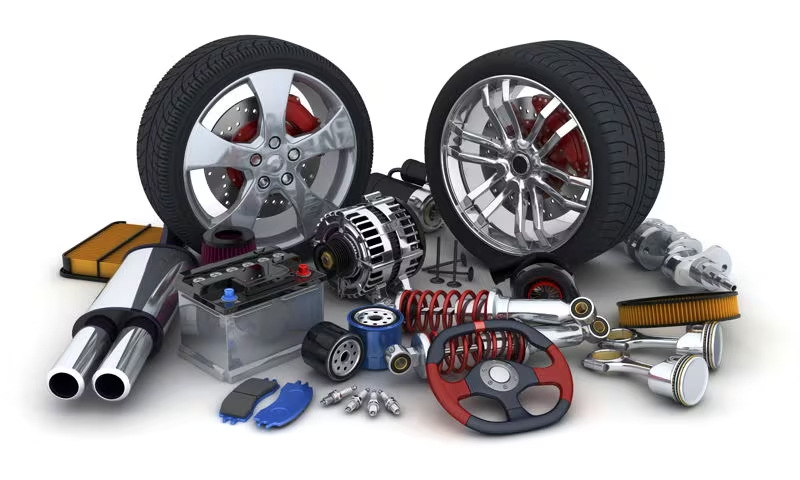
Polishing a car body is a popular procedure designed to restore shine and gloss to the paintwork. However, there is a lot of controversy around it about the pros and cons. Let's figure this out. You can also transform your car and make it more expressive with the help of tuning accessories, a wide range of which is available in our online store.
What is polishing and why is it needed?
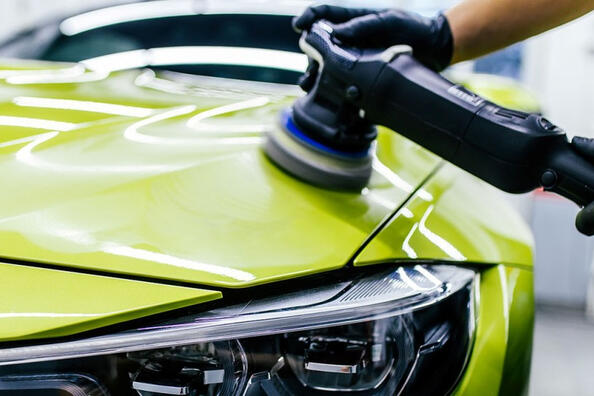
Polishing is the process of removing a thin layer of varnish from the surface of a car body to eliminate minor scratches, scuffs, and other defects. It allows you to:
- Restore shine: Polishing restores the car to its original appearance, making it more attractive.
- Protect against corrosion: Removing scratches prevents moisture from entering and rust from developing.
- Extend the service life of the LFP: the protective layer formed after polishing protects the paint from fading and environmental influences.
- Increase the value of the car: a well-groomed appearance has a positive effect on the resale price.
Types of polishing
There are several types of polishing:
- Abrasive: involves the use of abrasive pastes to remove deeper scratches.
- Soft (protective): used to add shine and protect the LFP using non-abrasive agents.
Is polishing harmful?
If done incorrectly, polishing can cause damage to:
- Reducing the thickness of the LFP: excessive grip with abrasive polishing thins the varnish.
- Appearance of holograms: incorrect polishing technique can lead to the appearance of circular streaks.
How to avoid negative consequences?
- Turn to professionals: qualified specialists use quality materials and adhere to technology.
- Follow the frequency: don't polish your car too often.
- Choose the right type of polish: a soft polish is enough to remove minor scratches.
Conclusion
Properly performed polishing brings undoubted benefits, protecting the body and improving the appearance of the car. The main thing is to entrust this procedure to professionals and to observe moderation.