26.04.2025
588
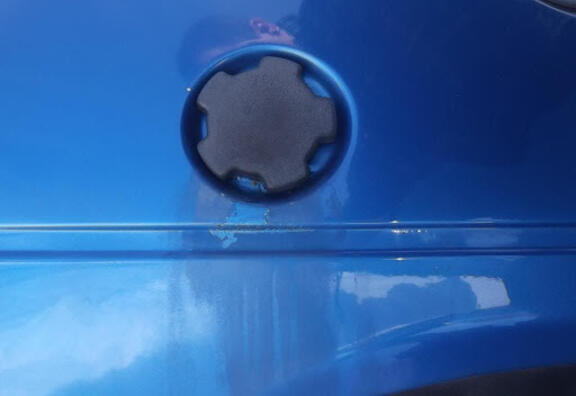

Accidentally spilled gasoline on the body while refueling? Don't ignore it. Fuel is an aggressive solvent for the paintwork (LFP) of the car. Find out what it threatens and how to act correctly to save the paint from damage. You can also improve your car and add attractiveness to it by using tuning accessories, a large selection of which is available in our product catalog.
Gasoline contains components that act as solvents. They can soften the top layer of varnish and penetrate the paint structure. The degree of damage depends on the freshness and type of LFP, the time the fuel is in contact with the surface, and the temperature - the reaction is faster in the sun.
If you don't remove gasoline in time, you may encounter the following problems:
The main thing is speed! Do this:
Gasoline spills on your car are unpleasant, but not fatal if you react quickly. A timely wash will help avoid expensive engine oil repairs. Always be careful when refueling to preserve the shine of your car.
Shipping to EU
Wholesale and retail
Own warehouse
Опис продукту
Подарунки не надаються при оформленні покупки у кредит під 0,01% або при покупці частинами.